
Cuban music: origins, styles, instruments and global influence
Survey of Cuban music: its African and European roots, characteristic rhythms and instruments, major genres and dances, historical development and worldwide cultural influence.
Overview
Cuban music refers to the musical traditions and popular forms that developed on the Caribbean island of Cuba and the nation of Cuba itself. It encompasses a wide array of genres—from rural folk practices to urban dance bands—and is noted for strong rhythmic drive, dance-oriented performance, and frequent blending of vocal and instrumental styles. Over the 19th and 20th centuries Cuba became a major source of rhythms and song forms that have circulated around the world.
Image gallery
10 Images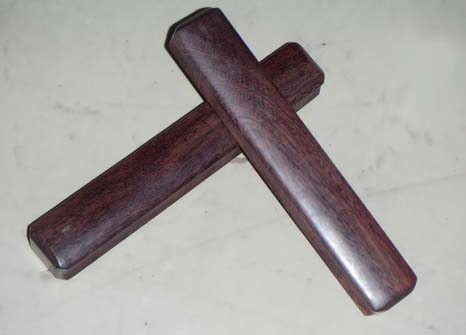




Origins and historical development
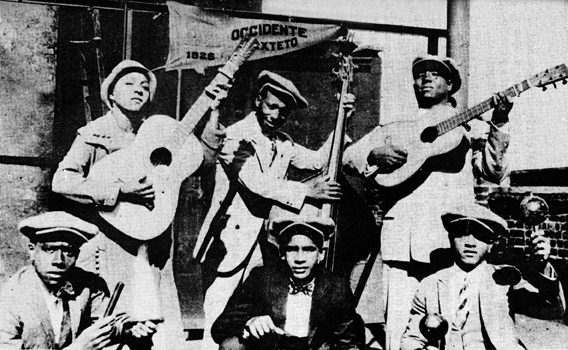
The core features of Cuban music emerged through sustained contact among multiple cultural streams. European influences, particularly from Europe and the Spanish colonial tradition, contributed melodies, harmonic patterns and instruments such as the guitar. Large-scale forced migration from Africa introduced complex polyrhythms, call-and-response singing and a rich percussion vocabulary. These elements mixed with local practices to produce distinct hybrid forms. Recording technology and international tours in the 20th century helped spread Cuban styles far beyond the island.
Characteristics and common instruments
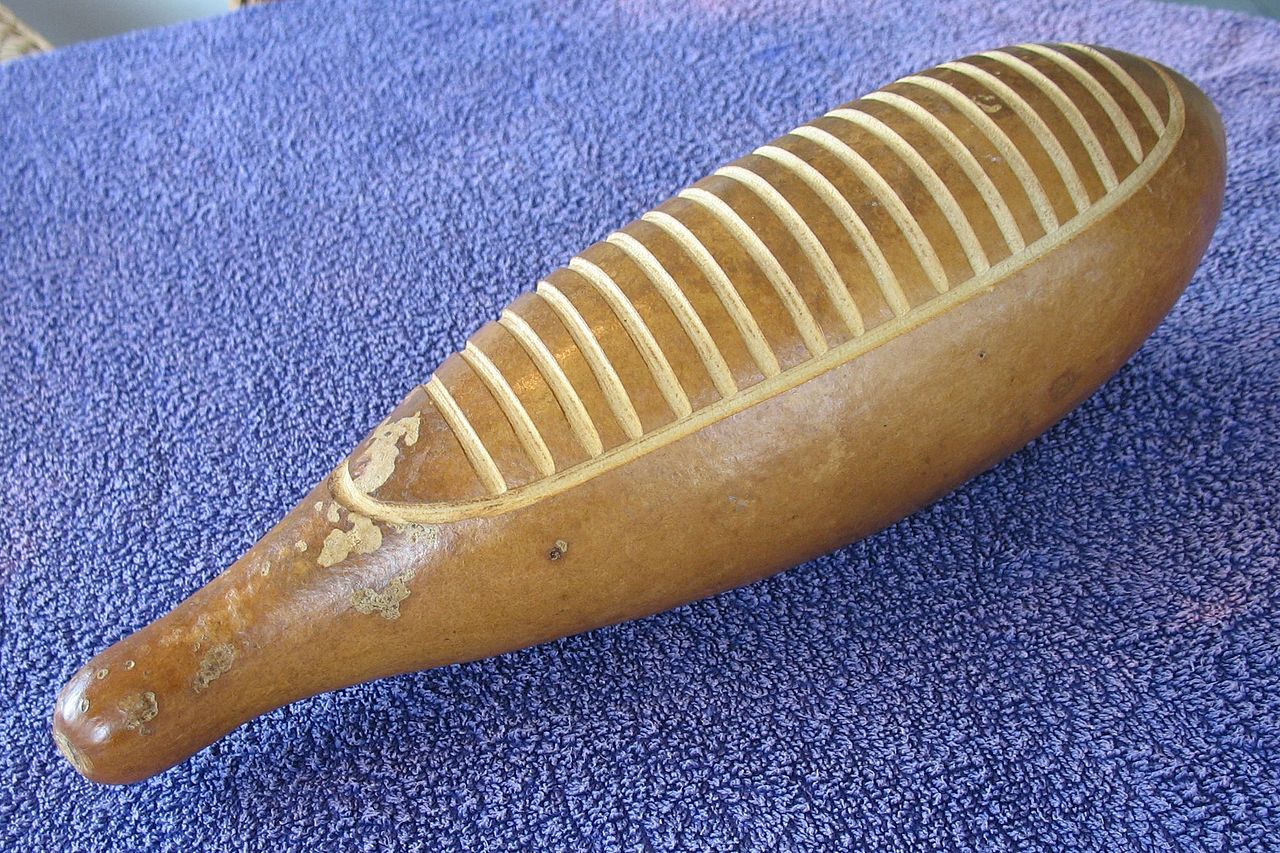
Two characteristics often singled out are strong syncopation and the clave rhythm, a repeating pattern that organizes ensemble timing. Texture in Cuban ensembles can range from intimate string or vocal groups to big bands with brass and percussion. Percussion instruments play a central role: congas, bongos, timbales, claves and various hand drums anchor the groove, while tres and guitar provide harmonic support and montuno patterns.
- Percussion: congas, bongos, timbales, claves
- Strings & rhythm: guitar, tres, double bass
- Wind/brass: trumpet, trombone, saxophone (prominent in big band styles)
- Voice: solo singers, choirs, call-and-response ensembles
Major genres, dances and examples
Several named genres illustrate Cuban music's variety. Son is a foundational urban style combining Spanish song forms with African-derived rhythms; rumba is an Afro-Cuban secular vocal and percussion tradition; danzón and its descendants emphasize elegant partnered dance; mambo and cha-cha-chá represent mid-20th-century dance band innovations; bolero showcases romantic songcraft. In the later 20th century, many Cuban elements were incorporated into broader Latin and global popular styles—most famously through the international popularity of salsa and other dance music. Cuban music has long been admired in the context of world music and cross-cultural collaborations.
Social role, religion and notable facts
Music in Cuba functions in civic, religious and social contexts. Afro-Cuban religious traditions such as Santería preserve ritual music and drumming that directly shape secular genres. Dance is often inseparable from musical performance; many Cuban forms originated as social dances. While the indigenous Taíno population left few direct musical legacies due to demographic collapse after contact, the island's surviving traditions are the result of dynamic creolization between European and African cultures.
Influence and continued evolution
Cuban musicians and rhythms have had sustained global impact: Cuban styles influenced jazz, Latin American popular music and dance crazes across the Americas and Europe. Contemporary Cuban music continues to evolve, drawing on electronic production and international collaboration while maintaining links to traditional rhythms and instruments. For further context on Cuban geography and culture, see general resources on the Caribbean and Cuban society; for historical European and African connections consult sources linked to Europe and Africa.
Questions and answers
Q: Where does Cuban music come from?
A: Cuban music comes from the Caribbean island of Cuba.
Q: What are the cultural origins of Cuban music?
A: Cuban music draws on its cultural origins in Europe and Africa.
Q: How popular and influential is Cuban music?
A: Cuban music has been hugely popular and influential throughout the world.
Q: Which form of world music has been the most popular since the introduction of recording technology?
A: The music of Cuba has been perhaps the most popular form of world music since the introduction of recording technology.
Q: What is the origin of most forms of Cuban music?
A: Most forms of Cuban music today are fusions and mixtures of European (Spanish) and African origin.
Q: What is the main source of Cuban music?
A: The main source of Cuban music is a mixture of European (Spanish) and African origin.
Q: What happened to the original inhabitants of Cuba and their traditions?
A: The original inhabitants of Cuba died out, and little remains of their traditions.
Related articles
Author
AlegsaOnline.com Cuban music: origins, styles, instruments and global influence Leandro Alegsa
URL: https://en.alegsaonline.com/art/24515
Sources
- dictionary.oed.com : "Contre-dance, -danse, contra-dance"