
Crown Jewels of the United Kingdom
The Crown Jewels are the ceremonial regalia and vestments used by the British sovereign at coronations and state occasions, a collection with medieval origins, later additions and contemporary public display.
The term "Crown Jewels" refers to the ensemble of crowns, sceptres, orbs, swords, rings, robes and other ceremonial objects used by the sovereign of the United Kingdom. These items serve both practical and symbolic roles in the rites of monarchy. They are most conspicuous at the coronation ceremony and during formal state events; many pieces embody religious meanings and historic continuity.
Image gallery
10 Images





Principal components
The collection includes several distinctive groups of objects. Major pieces are:
- St Edward's Crown — the traditional coronation crown used at the moment of crowning.
- Imperial State Crown — worn by the sovereign on state occasions after the coronation.
- Sceptres — notably the Sovereign's Sceptre with Cross (which holds some of the collection's largest gemstones) and the sceptre bearing a dove symbolising spiritual authority.
- The Sovereign's Orb — a globe surmounted by a cross, representing temporal power under God.
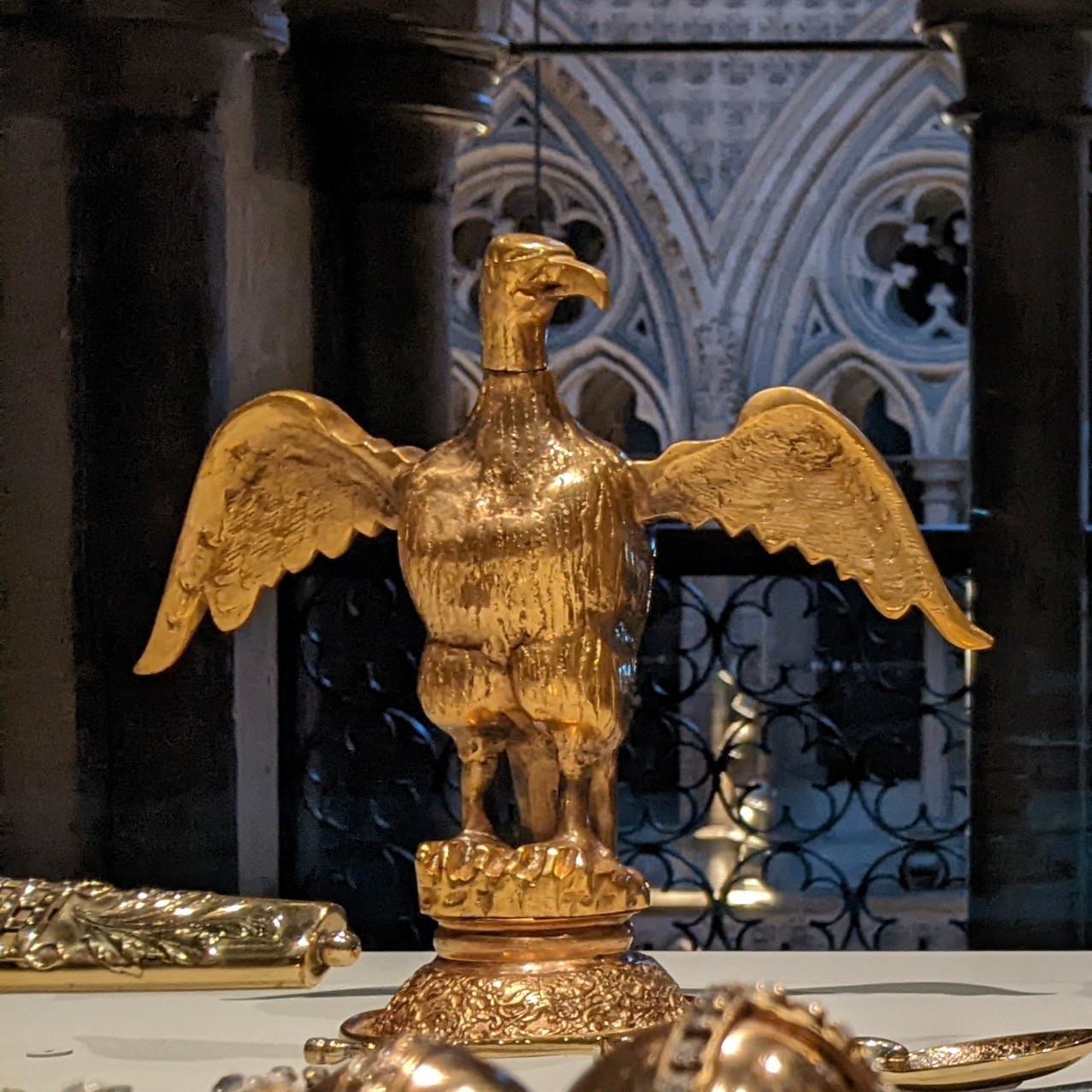
- Coronation regalia — including the Coronation Spoon, the Coronation Ring, the Ampulla and anointing vessel, swords, spurs and the coronation robe (pall).
Origins and development
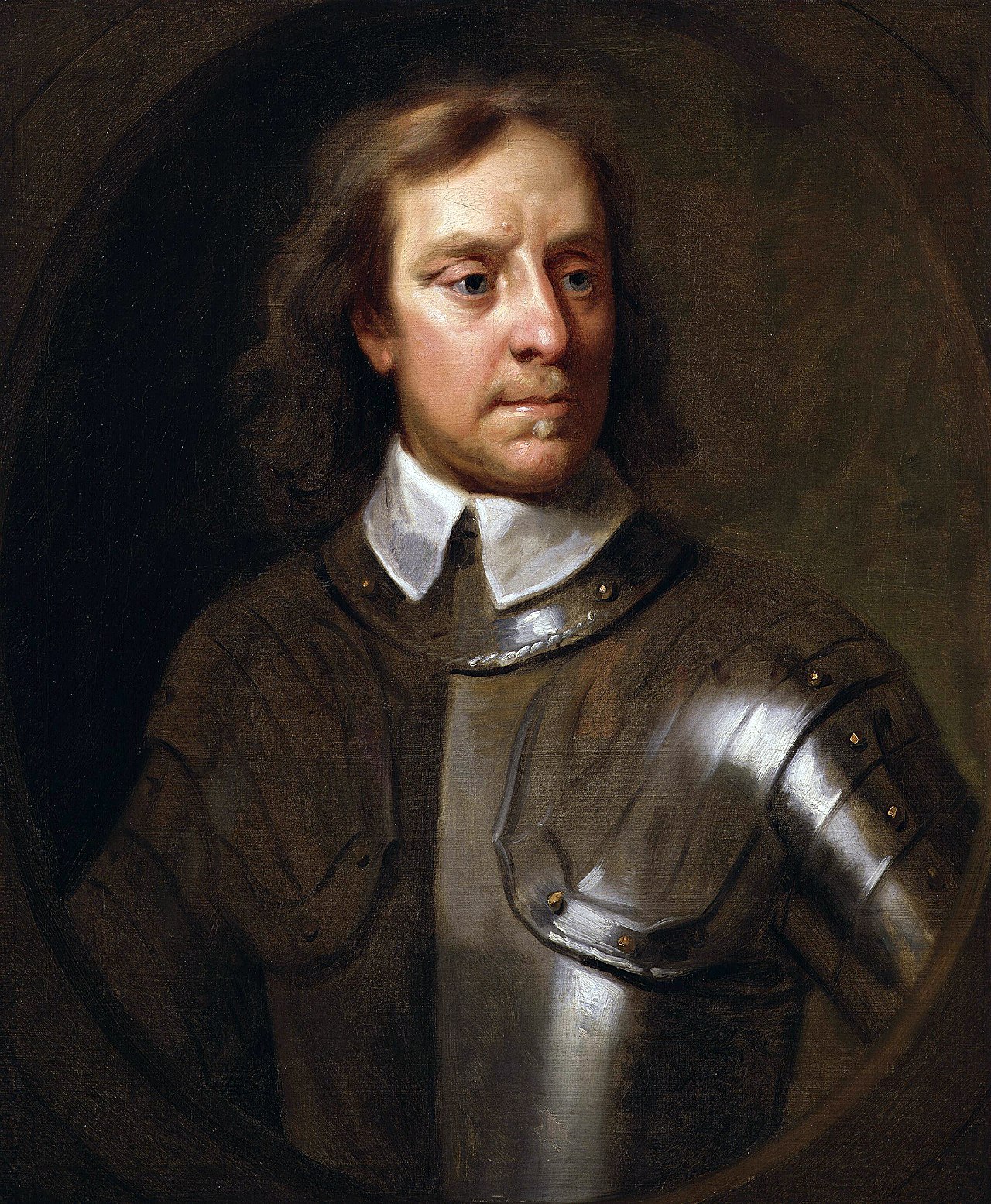
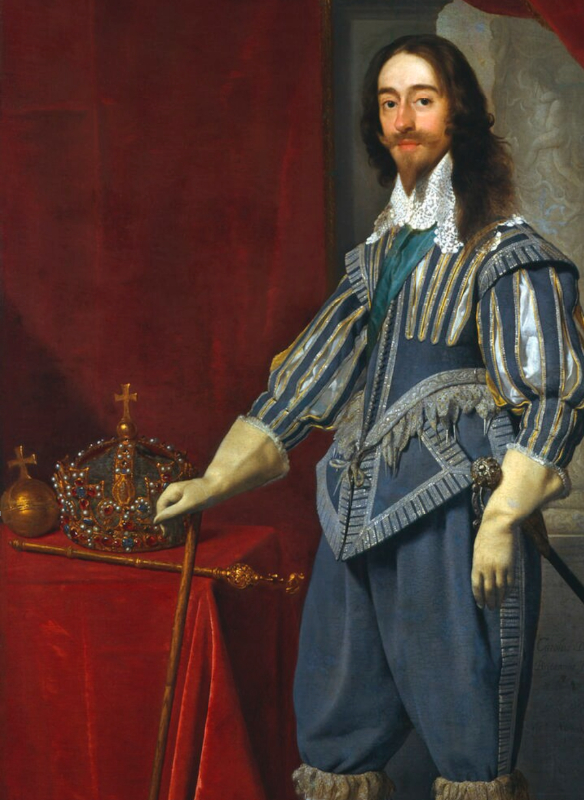
Many pieces trace their function to medieval, pre-Reformation rituals and carry sacral connotations of anointing and divine sanction. Over centuries the ensemble was altered: some medieval items survive, others were remade or newly commissioned. Following the English Civil War and the 17th-century political upheaval, several original regalia were destroyed and subsequently replaced for the Restoration monarchs. Additional crowns and ornaments were created or modified after the crowns and unions of the British realms to reflect dynastic changes.
Ceremonial use and meaning
The Crown Jewels function as visual shorthand for monarchy: crowns for authority, the sceptres and orb for temporal and spiritual responsibilities, rings and swords for specific rites of office. They are integral to the coronation liturgy in Westminster Abbey and appear at other ceremonies such as the State Opening of Parliament, when selected items are displayed or borne as part of the procession.
Custody, public display and notable issues
The collection is held in trust by the Crown and is normally housed and exhibited under heavy security at the Tower of London in the Jewel House. While the vast majority of pieces are available for public viewing, individual objects are removed from display when required for ceremonial use. Several famous gems associated with the regalia — for example large stones historically recut and remounted — have complex provenances and have been the subject of public discussion and international claims.
Distinctions and related holdings
"Crown Jewels" is a broad term that overlaps with words like "regalia" and "insignia." It should be distinguished from separate national treasures such as the Scottish Honours, and from personal jewellery owned by members of the royal family. For further context on specific items, the collection's role in state ritual, and historic episodes that changed its composition, consult specialist accounts and official sources linked below.
Further reading: swords and ceremonial arms, pre-Reformation liturgical context.
Questions and answers
Q: What are the Crown Jewels of the United Kingdom?
A: The Crown Jewels are the regalia and vestments worn by the sovereign of the United Kingdom during the coronation ceremony and other state functions.
Q: What is included in the Crown Jewels?
A: The Crown Jewels include the crowns, sceptres (with either the cross or the dove), orbs, swords, rings, spurs, the royal robe or pall, and several other objects connected with the ceremony.
Q: When did the Union of the Crowns take place?
A: The Union of the Crowns took place in 1603.
Q: What is the sacred significance of the Crown Jewels?
A: Many of the Crown Jewels descend directly from the pre-Reformation period and have a religious and sacral connotation.
Q: What are the Crown Jewels primarily used for?
A: The Crown Jewels are primarily used during the coronation ceremony and other state functions.
Q: Can the Crown Jewels be viewed by the public?
A: Yes, the Crown Jewels can be viewed by the public at the Tower of London.
Q: How long have the Crown Jewels been in use?
A: The Crown Jewels have been in use since at least the pre-Reformation period and continue to be used for the coronation and other state functions.
Related articles
Author
AlegsaOnline.com Crown Jewels of the United Kingdom Leandro Alegsa
URL: https://en.alegsaonline.com/art/24396
Sources
- royal.gov.uk : Official Royal Family website: the Crown Jewels
- measuringworth.com : "Purchasing Power of British Pounds 1264 – present"
- bbc.co.uk : bbc.co.uk/news/world-asia-india-36079644