
Criticism of Buddhism: perspectives, debates and responses
Overview of criticism directed at Buddhist teachings, institutions, and practices, including philosophical, ethical, historical and modern debates, and how Buddhists and scholars have responded.
The criticism of Buddhism refers to the range of objections, questions and challenges directed at Buddhist ideas, institutions, and social roles. Critics come from many directions: secular philosophers and scientists, adherents of other religions, skeptics and materialists, journalists, and Buddhists themselves who press for internal reform. Some critiques are general reflections on organized religion or modern spirituality, as discussed in broader works on criticism of religion.
Image gallery
2 Images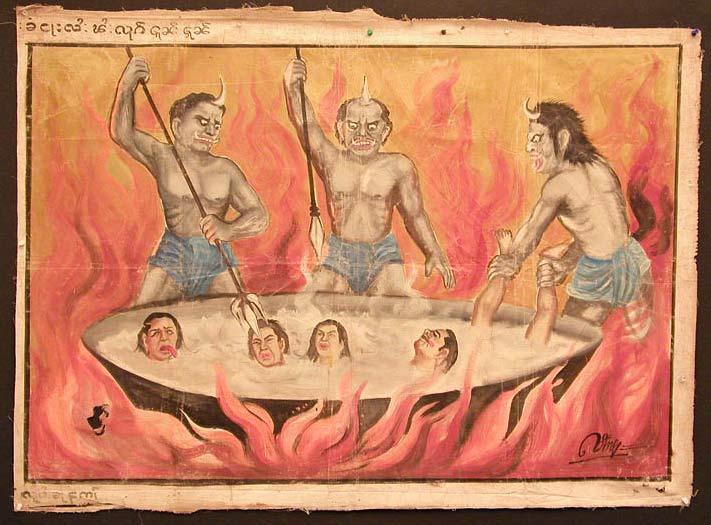

Common themes and categories
- Philosophical and doctrinal critiques: debates over core doctrines such as no-self (anatman), emptiness (shunyata), karma, and rebirth. Critics ask whether metaphysical claims are coherent or empirically grounded.
- Ethical and institutional concerns: allegations of monastic misconduct, gender inequality, or the mishandling of sexual and financial scandals within communities.
- Empirical and therapeutic claims: scrutiny of meditation and mindfulness as cures for complex medical or social problems, and questions about the evidence supporting wide-ranging therapeutic claims.
- Cultural and historical critiques: discussion of how Buddhism has been shaped by colonialism, nationalism, or modernist reinterpretations, and how traditions adapt in new cultural contexts.
Some critics come from religious traditions or secular viewpoints who compare Buddhist teachings with doctrines of other faiths or with scientific materialism. Others are internal voices—Buddhist scholars, lay followers and activists—who challenge institutional conservatism, patriarchy, or perceived departures from ethical precepts.
Historical development of criticism
Critical engagement with Buddhist thought is not purely modern. From antiquity, Buddhist ideas were debated with rival schools and philosophical opponents. In the modern era, colonial encounters and missionary critiques prompted both defensive apologetics and creative reform within Buddhist communities. Today academic scholarship subjects texts and practices to historical-critical methods, while journalists and human-rights advocates examine contemporary conduct.
Responses, reform and nuance
Buddhist responses range from philosophical rebuttals to institutional reform. Many teachers emphasize contextual interpretations of doctrine, distinguishing between soteriological claims and metaphorical or pedagogical language. Movements such as engaged Buddhism, feminist reinterpretations, and secular adaptations address ethical and social critiques. Scientific studies of meditation have produced both supportive findings and cautions about overclaiming benefits; the dialogue with empirical science continues in journals and public scholarship (see research discussions).
Distinctions and important caveats
It is important to distinguish criticism of Buddhist ideas from critique of cultural forms labeled "Buddhist." Traditions vary widely—Theravada, Mahayana, Vajrayana and many local schools differ in doctrine and practice—so generalizations can mislead. Moreover, some objections reflect broader societal conflicts (political, economic, or ethnic) rather than purely theological disagreement. Readers seeking introductions or deeper studies will find balanced overviews and debates collected in academic and interreligious sources (further reading).
Overall, criticism of Buddhism is a multifaceted field: it informs how traditions evolve, how practitioners interpret texts and how societies hold religious institutions accountable, while also prompting careful philosophical reflection on claims that concern human identity, ethics and the nature of experience.
Questions and answers
Q: What is the criticism of Buddhism like?
A: The criticism of Buddhism is similar to the criticism of any other religion.
Q: Who mainly criticizes Buddhism?
A: People who do not agree with what the religion says and what it believes, such as agnostics, skeptics, materialist philosophers, people who follow other religions, or Buddhists who want change.
Q: What are some reasons for criticizing Buddhism?
A: Some reasons for criticizing Buddhism include not agreeing with its beliefs or practices, adhering to a different religion or philosophy, or wanting to see changes within the Buddhist community.
Q: What is agnosticism?
A: Agnosticism is the belief that the existence of God or gods is unknown or unknowable.
Q: What is skepticism?
A: Skepticism is questioning or doubting claims or beliefs without necessarily rejecting them outright.
Q: What is materialist philosophy?
A: Materialist philosophy is the belief that material objects and physical processes are the only reality and that spiritual or supernatural explanations are unnecessary.
Q: Can Buddhists criticize their own religion?
A: Yes, Buddhists can criticize their own religion if they want to see changes or improvements within their community.
Related articles
Author
AlegsaOnline.com Criticism of Buddhism: perspectives, debates and responses Leandro Alegsa
URL: https://en.alegsaonline.com/art/24236
Sources
- richarddawkins.net : 'THE FOUR HORSEMEN,' Discussions with Richard Dawkins: Episode 1, RDFRS - RichardDawkins.net
- daviddent.net : » Blog Archive » The Four Horsemen of the New Atheism
- samharris.org : Killing the Buddha
- dro.dur.ac.uk : Westward Dharma: Buddhism Beyond Asia
- jstor.org : The Saffron Army, Violence, Terror(ism): Buddhism, Identity, and Difference in Sri Lanka
- foxnews.com : "China Steps Up Attacks, Brands Dalai Lama Supporters 'Scum of Buddhism'"
- livingdharma.org : Women in Buddhism