
Creuse (department of France)
Creuse is a rural department in central France, part of Nouvelle-Aquitaine, named for the Creuse river. It is noted for low population density, pastoral landscapes, forests, and the Aubusson tapestry tradition.
Creuse is a department in central France, named for the river that crosses it. The area is traditionally rural and sparsely populated, with landscapes of rolling plateaus, valleys, woodlands and small rivers. In regional contexts the name appears in other languages: the Occitan form is sometimes shown as Cruesa.
Image gallery
10 Images
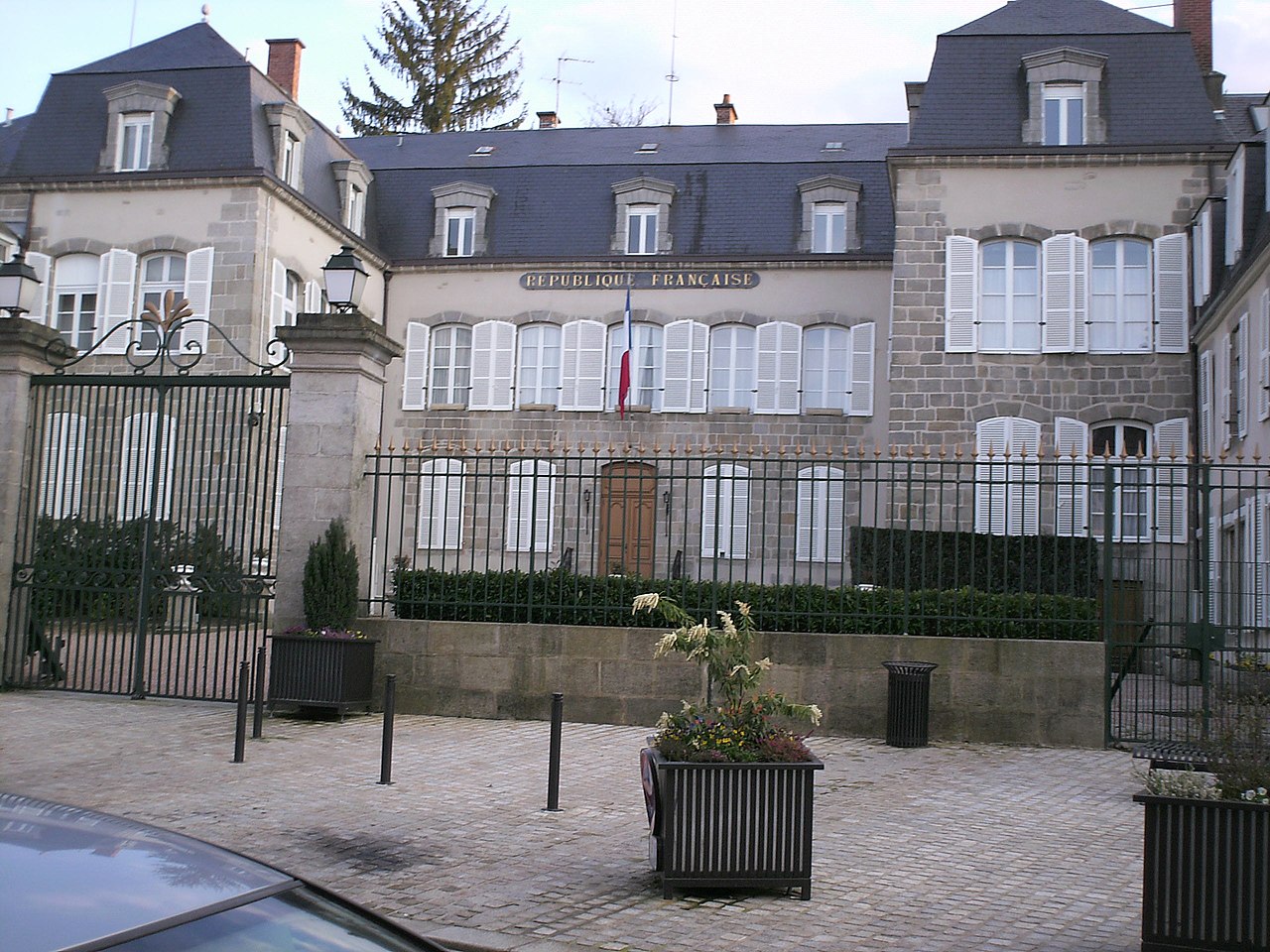


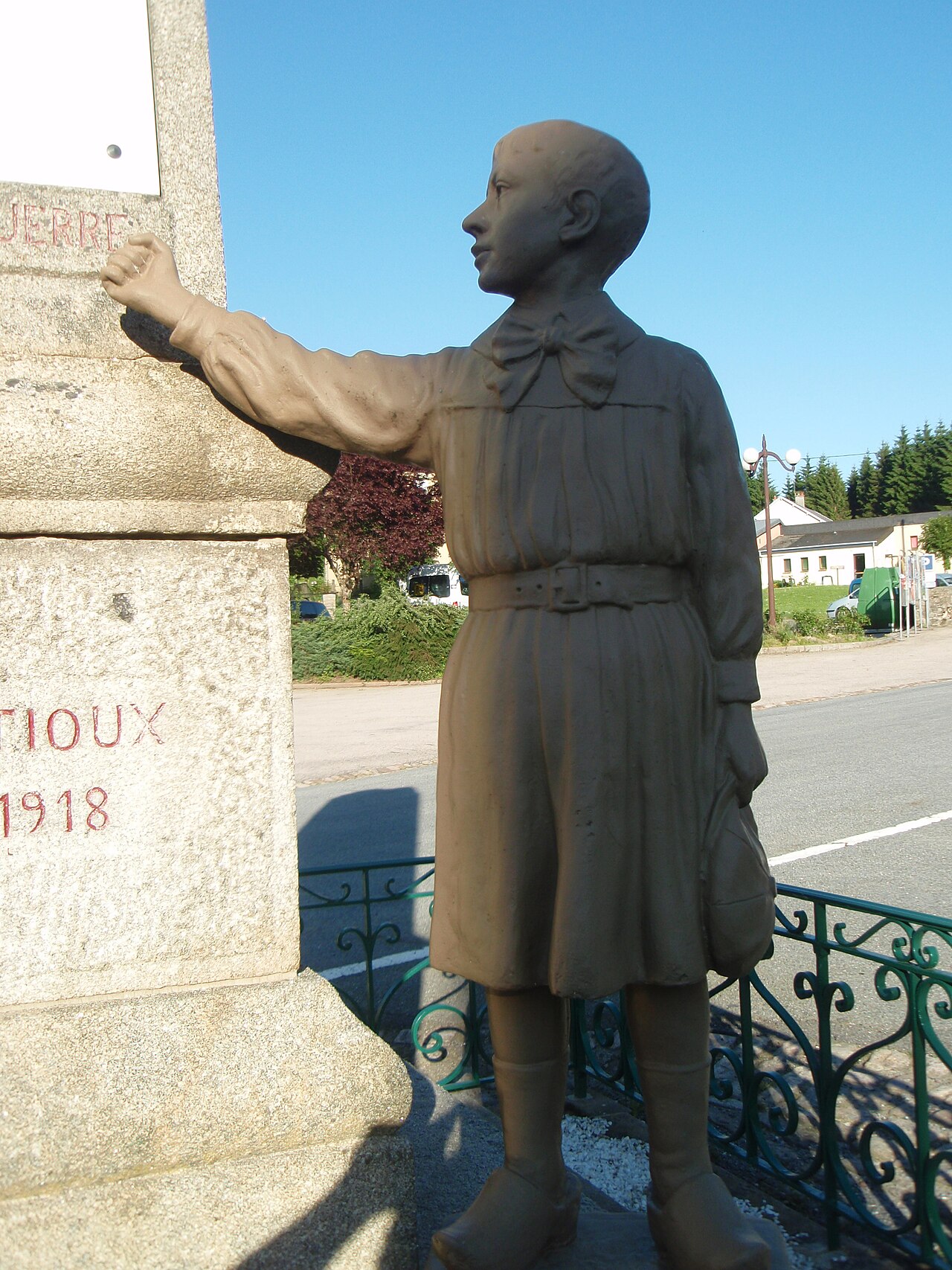

Location and administrative identity
Creuse lies in central France and is administratively part of the Nouvelle-Aquitaine region. As a French department it has a prefecture and a number of subprefectures, with Guéret serving as the departmental capital. The territory is named after the Creuse river, which shapes many of its valleys and settlements.
Geography and character
The department's terrain is varied but generally low in elevation compared with nearby mountain ranges. It combines open agricultural plateaus, mixed forest, and narrow river gorges. This countryside supports livestock farming, forestry and small-scale agriculture. Many villages lie along country roads; larger towns remain relatively small compared with national urban centers.
- Natural features: rivers, meadows, woodlands and limestone plateaus.
- Climate: temperate with seasonal contrasts, milder than high mountains but cooler than the plains.
- Settlement: low population density and a scattering of towns and hamlets.
Historically the department was created during the reorganisation of France in 1790 and draws much of its cultural identity from the older province of La Marche. Over time it has maintained traditional crafts and rural ways of life while adapting to modern economic shifts.
Creuse is known beyond its agricultural output for cultural contributions such as the tapestry and weaving tradition centered on Aubusson, which has an international reputation. Visitors are attracted to quiet landscapes, heritage towns, and outdoor recreation. Practical challenges in the department include demographic ageing and the need to diversify economic activity while conserving natural and historic features.
For administrative and visitor information consult regional or departmental resources: the wider region provides links to services, and local guides describe river valleys like the one cut by the Creuse river and cultural sites associated with tapestry-making and rural heritage. For historical language and names see references to the Occitan form at Cruesa and general notes on central French departments at departmental overviews.
Questions and answers
Q: Where is Creuse located?
A: Creuse is located in central France.
Q: What is Creuse?
A: Creuse is a department in France.
Q: What is the region of Creuse?
A: The region of Creuse is Nouvelle-Aquitaine.
Q: What is the origin of the name Creuse?
A: Creuse is named after the Creuse river that flows through the department.
Q: What is the significance of the Creuse river?
A: The Creuse river is significant because it flows through the department of Creuse.
Q: What language is spoken in Creuse?
A: Occitan is spoken in Creuse.
Q: What is the meaning of Cruesa?
A: Cruesa is the Occitan name for Creuse.
Related articles
Author
AlegsaOnline.com Creuse (department of France) Leandro Alegsa
URL: https://en.alegsaonline.com/art/24151
Sources
- insee.fr : "Département de la Creuse (23)"
- insee.fr : "Populations légales 2014 des départements et des collectivités d'outre-mer"
- splaf.free.fr : "Historique de la Creuse"
- peakbagger.com : "Forêt de Châteauvert, France"
- insee.fr : "Département de la Creuse (23)"
- insee.fr : "Régions, départements, arrondissements, cantons et communes"
- insee.fr : "Département de la Creuse (23)"
- legifrance.gouv.fr : "Décret n° 2014-161 du 17 février 2014 portant délimitation des cantons dans le département de la Creuse"
- habitants.fr : "Creuse (23)"