
Crayola: history, products, and cultural impact
Crayola is an American brand best known for crayons and a wide range of art supplies. This article summarizes its origins, product lines, uses, and notable developments.
Overview
Crayola is a prominent American brand of art supplies best known for its wax crayons and a broad assortment of markers, pencils and classroom materials. Over more than a century the name Crayola has become synonymous with childhood drawing, elementary art education, and consumer craft products sold worldwide. The brand has been applied to many categories of writing and drawing tools, including general writing instruments and specific drawing media.
Image gallery
10 Images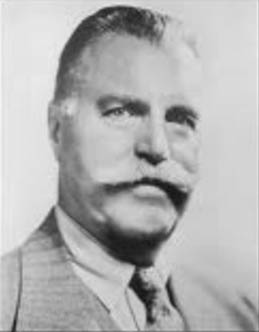






Products and characteristics
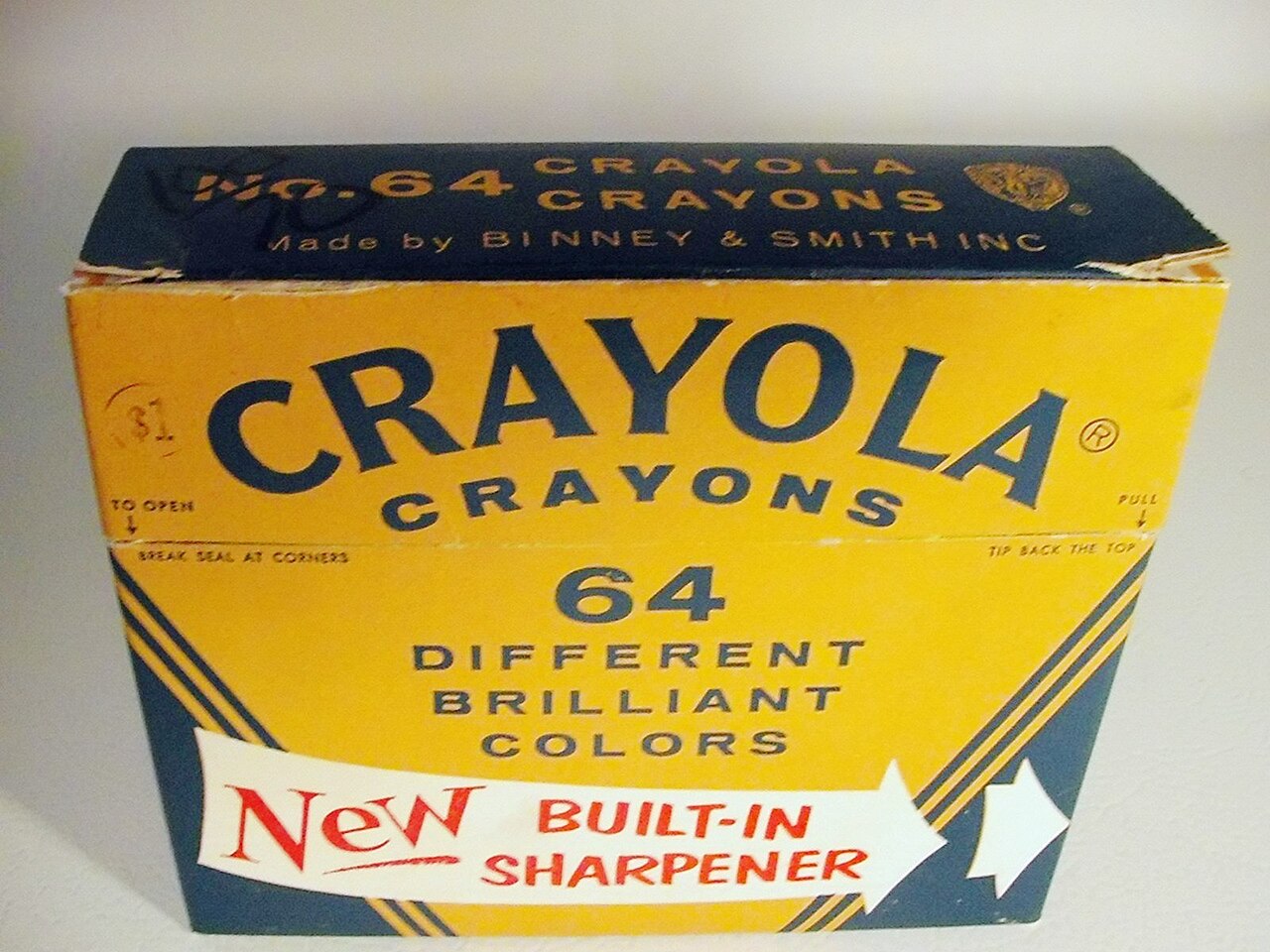
Crayola products are designed for different ages and uses. The core products include wax crayons, washable and permanent markers, classroom-friendly chalk, and various colored pencils. Items are often marketed in sets that vary by color count and intended use, such as beginner packs for preschoolers, student-grade art supplies, and specialty lines for mixed-media hobbies. Safety, non-toxicity, and washable formulations are hallmarks of many consumer offerings.
History and development
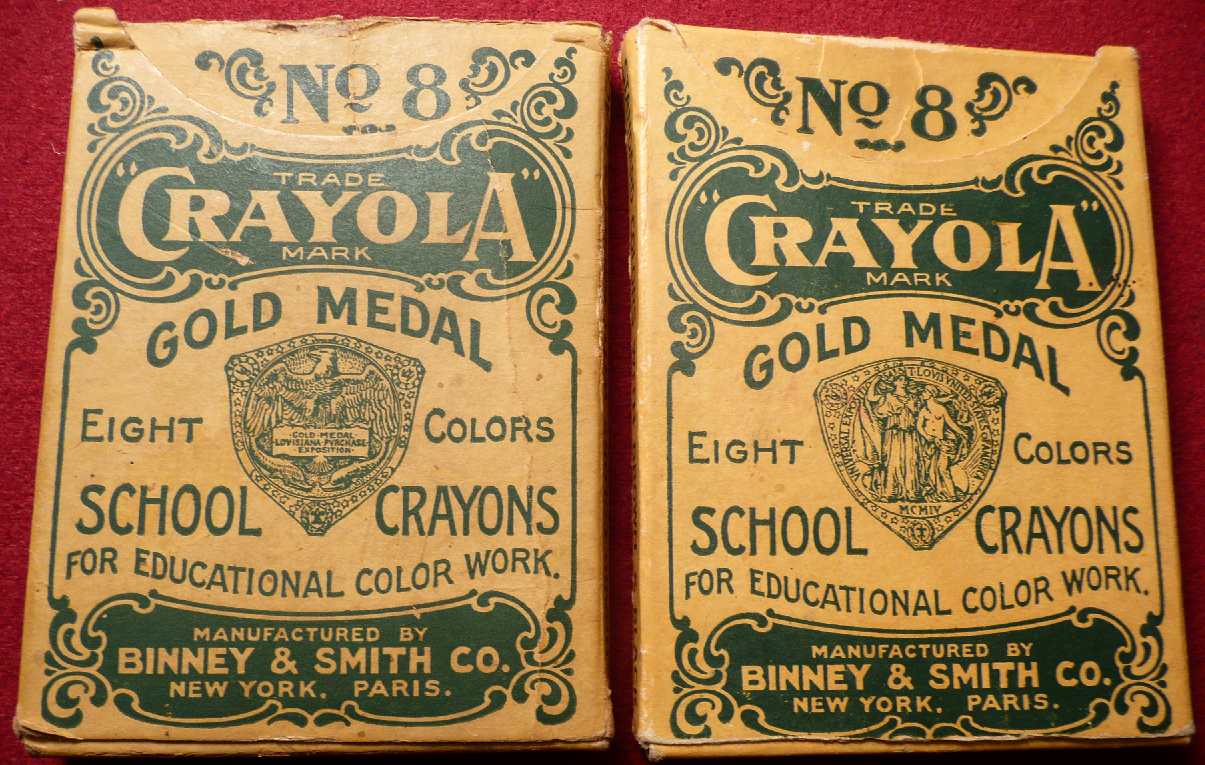
The brand traces its roots to the Binney & Smith Company, founded in the late 19th century by a partnership of industrial chemists and entrepreneurs. The Crayola name was introduced in the early 20th century as a trademark for a new line of wax crayons developed for schoolchildren and artists. Over the decades the company expanded its portfolio, refining pigments, adding washable inks, and exploring packaging innovations to meet classroom and home needs. In the 1980s the company became part of a larger corporate family and continued to grow under new ownership.
Uses and cultural importance
Crayola products are widely used in education, therapy, and domestic crafts. Teachers and parents rely on them for early art instruction, color recognition, and motor-skill development. Artists and designers sometimes use Crayola crayons and markers for concept sketches or mixed-media pieces because of their bright pigments and accessibility. The brand also appears frequently in popular culture and fundraising or museum exhibitions that celebrate childhood creativity.
Notable facts and distinctions
- Although the brand began under the name Binney & Smith, it has been closely associated with the Crayola trademark for over a century and underwent corporate changes in the late 20th century, including acquisition by Hallmark-related interests; see Hallmark for the corporate connection.
- Crayola maintains manufacturing, distribution, and visitor centers in locations historically important to the company, including sites such as Easton, Pennsylvania and other facilities.
- The product line emphasizes safety and washability, and the company has released special-edition color sets and collaborative products tied to seasonal, educational, and charitable initiatives.
For more detailed product descriptions and historical timelines, see brand resources and museum collections that document the development of mass-market art supplies and their role in education and material culture. Additional information about specific product types and availability may be found through manufacturer and retail channels linked in product documentation and guidebooks.
References and further reading can include company histories, educational materials on art pedagogy that discuss supply choices for classrooms, and exhibitions exploring the design and chemistry of colored media.
Questions and answers
Q: What is Crayola?
A: Crayola is an American brand that produces crayons, markers, colored pencils, and chalk for writing and drawing.
Q: What was the name of the company before it was called Crayola?
A: The company was called "Binney & Smith Company" before it was named Crayola.
Q: Where is Crayola based?
A: Crayola is based in Northampton, Massachusetts.
Q: When did Hallmark Cards acquire Crayola?
A: Hallmark Cards acquired Crayola in 1984.
Q: What are some writing and drawing utensils produced by Crayola?
A: Crayola produces crayons, markers, colored pencils, and chalk.
Q: What is Crayola most well-known for?
A: Crayola is most well-known for its crayons.
Q: What kind of company is Hallmark Cards?
A: Hallmark Cards is a company that produces cards and gifts.
Related articles
Author
AlegsaOnline.com Crayola: history, products, and cultural impact Leandro Alegsa
URL: https://en.alegsaonline.com/art/24028
Sources
- crayolastore.com : "Custom Box Creator"