
Cradle of Civilization: Early Centers and the Rise of Complex Society
Survey of regions and developments regarded as cradles of civilization, their shared features, independent origins, and the scholarly debates about interaction and legacy.
Overview
The phrase cradle of civilization refers to places where complex societies first emerged with sustained cities, organized governance and long-term cultural institutions. There was never a single, universal origin; rather, several regions around the world developed many of the defining traits of civilization independently. Historians and archaeologists use the term cautiously, recognizing both common patterns and local diversity.
Image gallery
7 Images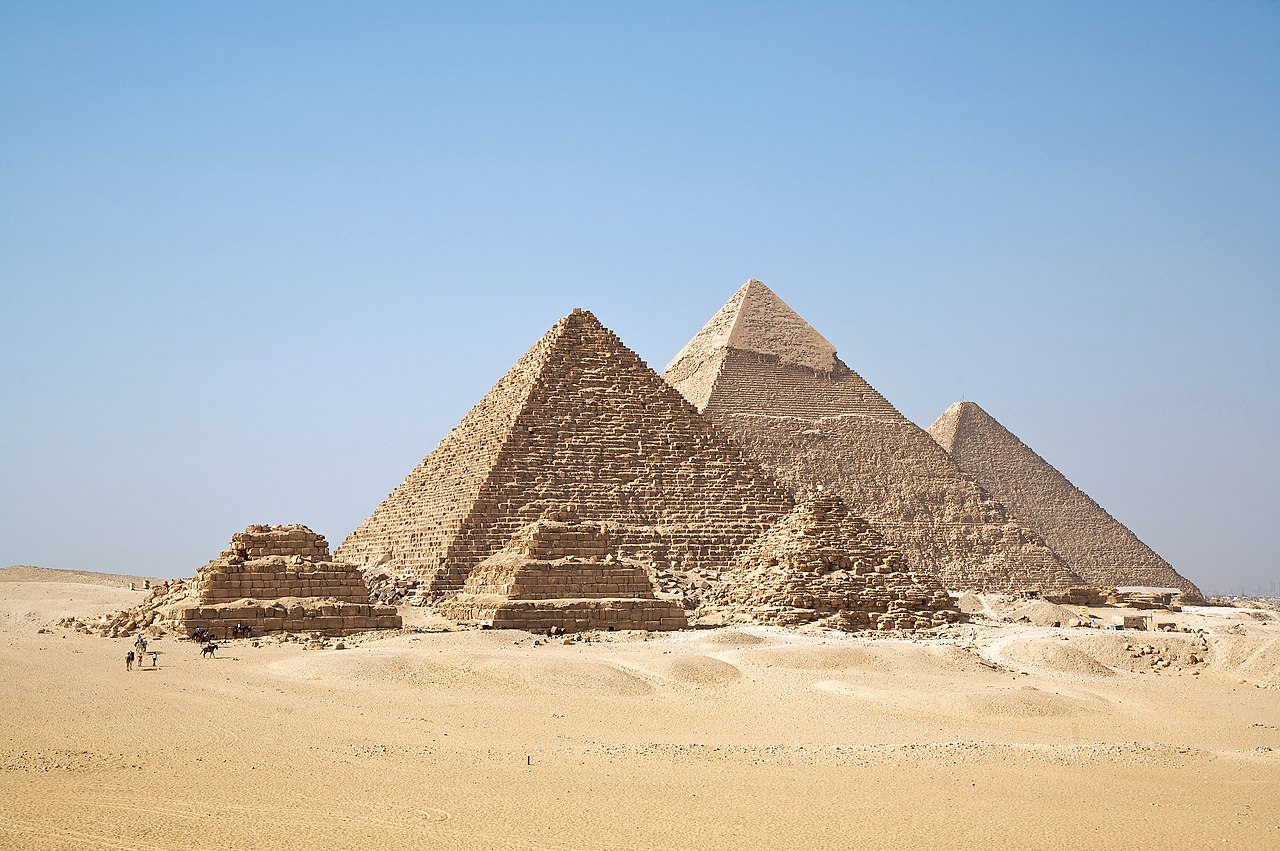


Key characteristics
Scholars identify a cluster of features that commonly mark early civilizations. These include:
- Writing or other systems for record‑keeping, enabling administration and literature.
- Urban centers and planned monumental architecture, which often reflect political or religious authority.
- Specialized labor, craft production and metallurgy.
- Class‑based or stratified social organization with elites and administrators.
- Intensive agriculture and animal husbandry that supported dense populations.
Major early centres
Several regions are commonly cited as independent cradles of civilization. Each developed characteristic institutions at different times and in different ways:
- The Fertile Crescent — an arc of fertile land in the Near East often treated as a primary locus of early state formation, including the Fertile Crescent heartlands and the broader Ancient Near Eastern cultural sphere.
- Mesopotamia — in the river valleys that produced early cities and writing: see Mesopotamia.
- Ancient Egypt — the Nile Valley civilization centered on monumental tombs and centralized administration: Ancient Egypt.
- Ancient India — the urban centers of South Asia often associated with the Indus tradition: Ancient India.
- Ancient China — early Chinese states along major rivers with distinct writing and bureaucratic forms: Ancient China.
- Anatolia and the Levant — regions that contributed to early complex societies and cross‑regional interaction: see Anatolia and the Iranian plateau.
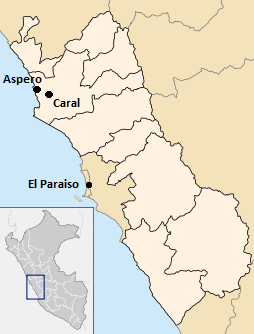
- Mesoamerica and the Andes — independent New World trajectories, including Mesoamerica (much of what's now Mexico) and coastal centers such as Norte Chico in Peru.
Development and interaction
Some early centers arose in areas that favored agricultural surplus, trade routes and resource access, which helped support specialists, monuments and states. Whether diffusion of ideas or independent invention predominated between regions such as the Near East and East Asia remains debated; there is clear evidence both for local innovation and for long‑distance exchange across parts of Eurasia in later periods. Comparative study highlights similarities (e.g., use of writing and cities) as well as distinct social and religious forms shaped by environment and history.
Importance, uses and distinctions
Describing a region as a cradle emphasizes its role in spawning institutions and technologies that influenced later societies. The label has been applied beyond the earliest Near Eastern examples to cultural predecessors and influential centers, such as Ancient Greece for aspects of what became Western civilization. Modern scholars stress nuance: the phrase is useful for teaching and synthesis but can oversimplify continuity, ignore marginal peoples, and underplay the gradual, contested, and multi‑regional nature of cultural change.
In sum, the concept of cradles of civilization draws attention to the varied places where complexity first took hold. It invites careful comparison of technologies, social organization and environmental context, while acknowledging that human societies developed along many paths rather than from a single origin.
More on the concept • Fertile Crescent • Egypt • Mesopotamia • India • China • Near East • East Asia • Mesoamerica • Eurasia • Mexico • Peru • Writing • Class • Stratification • Animal husbandry • Metallurgy • Monumental architecture • Ancient Near Eastern • Anatolia • Iranian plateau • Ancient Greece • Western civilization
Questions and answers
Q: What is a cradle of civilization?
A: A cradle of civilization is a place where civilization emerged. It typically involves the use of writing, building cities, a class-based society, agriculture, animal husbandry, public buildings, metallurgy, and monumental architecture.
Q: What are some examples of cradles of civilizations?
A: Examples include the Fertile Crescent (Ancient Egypt and Mesopotamia), Ancient India and Ancient China. Other areas such as ancient Anatolia, the Levant and Iranian plateau have also been referred to as cradles of civilizations.
Q: Was there influence between early Near East civilizations and those in East Asia?
A: It is not known whether there was influence between the early Near East civilizations and those in East Asia.
Q: Did Mesoamerican civilizations emerge independently or were they influenced by Eurasian cultures?
A: Scholars accept that Mesoamerican civilizations emerged independently from Eurasian cultures and later than those in Eurasia.
Q: Where were most Mesoamerican civilizations located?
A: Most Mesoamerican civilizations were located in modern Mexico and Norte Chico in the north-central coastal region of Peru.
Q: Is Ancient Greece considered a predecessor to Western Civilization?
A: Yes, Ancient Greece has been referred to as a predecessor to Western Civilization.
Related articles
Author
AlegsaOnline.com Cradle of Civilization: Early Centers and the Rise of Complex Society Leandro Alegsa
URL: https://en.alegsaonline.com/art/23919
Sources
- books.google.com : The Near East: Archaeology in the "Cradle of Civilization"
- books.google.com : A history of ancient and early medieval India: from the Stone Age to the 12th century
- books.google.com : Cultural anthropology: the human challenge