
Cowpox: virus, hosts, history and clinical features
Cowpox is an uncommon orthopoxvirus infection of animals and humans. This article explains the virus, typical hosts and transmission, clinical signs, historical role in vaccination, and prevention measures.
Overview
Cowpox is an infectious disease caused by the cowpox virus, a member of the Orthopoxvirus group closely related to vaccinia and variola viruses. In humans and animals the infection classically produces localized pustular or vesicular skin lesions that develop after contact with an infected animal. Human cases are uncommon in modern times, but the condition remains of medical and historical interest because material derived from cowpox was used to protect people from smallpox in early vaccination experiments.
Image gallery
4 Images

Virus and characteristics
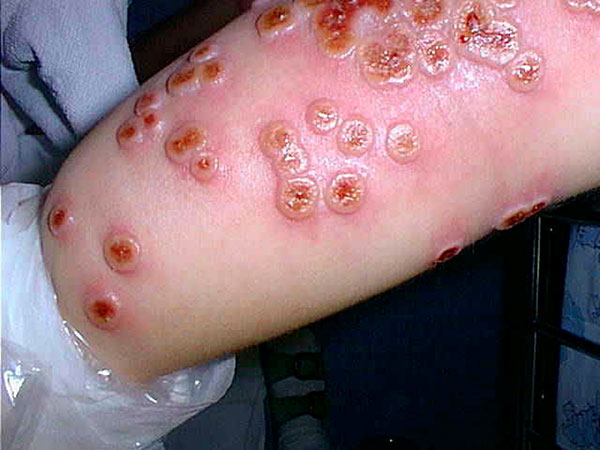
The causative agent is an enveloped DNA virus in the poxvirus family. Like other orthopoxviruses it replicates in the cytoplasm of infected cells and provokes a characteristic local skin response at the site of entry. The disease manifests most often as reddened blisters that progress to pustules and scabs; systemic symptoms such as fever or swollen lymph nodes can occur but are usually mild in otherwise healthy people. The incubation period is generally around nine to ten days, and infections are most frequently observed in late summer and autumn in regions where the virus circulates.
History and significance
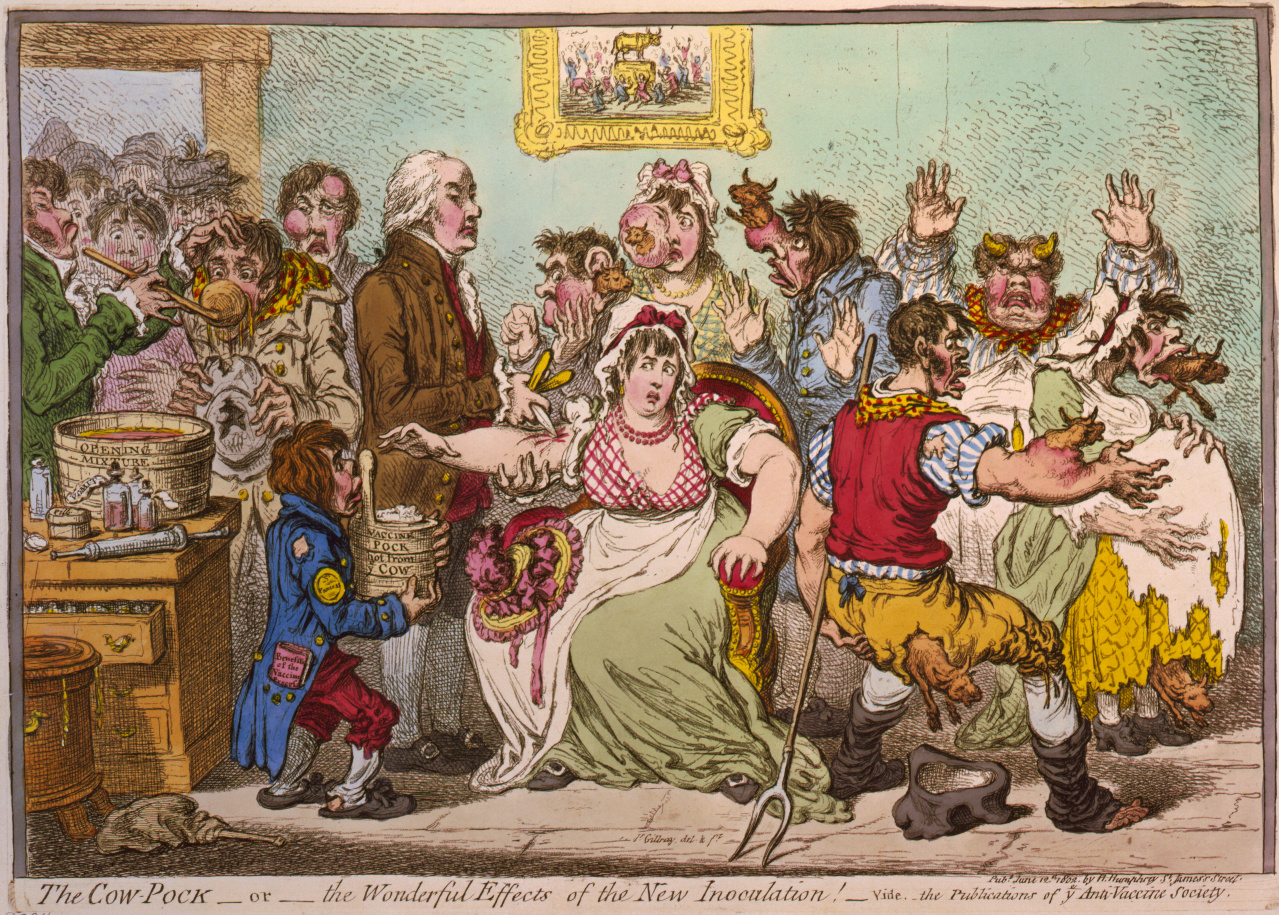
Cowpox gained prominence in the late 18th century through the work of Edward Jenner, who noted that milkmaids and farm workers who had recovered from cowpox appeared to be protected from smallpox. Jenner used material from cowpox lesions to deliberately induce immunity to smallpox, a practice that led to the word "vaccination," from the Latin vaca, meaning cow. This historical connection is central to the development of modern immunization, even though the exact viruses used in later vaccines include vaccinia and related strains rather than wild cowpox virus itself.
Hosts, reservoirs and transmission
Although the name suggests cattle, cows are not the primary reservoir for the virus in many areas. Wild rodents—particularly certain woodland species such as voles—serve as natural hosts in parts of Europe, and domestic animals (especially cats) can become infected after preying on or contacting infected rodents. Humans usually acquire the infection through direct contact with lesions on an infected animal, commonly via scratches or handling. Domestic cats infected with cowpox often show lesions on the face, neck, forelimbs and paws and may occasionally develop respiratory signs.
Clinical presentation, diagnosis and care
In humans the infection is generally localized to the site of viral entry, most commonly the hands. A lesion evolves from a small red spot to a vesicle and then a pustule before crusting and healing. Diagnosis is based on the clinical appearance and a history of animal contact; laboratory confirmation can be achieved by viral culture, PCR or serology in specialized laboratories. Most healthy patients recover without antiviral therapy and care is supportive, focusing on wound hygiene to prevent secondary bacterial infection. Severe disease is rare but can occur in immunocompromised individuals, who may need specialist management.
Prevention and notable distinctions
Prevention emphasizes reducing contact between susceptible animals and potential reservoirs, prompt veterinary care for affected pets, and good hygiene after handling animals. Cowpox is distinct from smallpox (caused by variola virus) in severity and epidemiology: smallpox was a systemic, highly transmissible human disease that has been eradicated. Vaccinia virus, used in later vaccination programs, is related but a different virus from wild cowpox strains. Awareness of the disease remains important for veterinarians, clinicians and those in rural or wildlife-contact occupations.
Further reading and resources
- Overview of cowpox disease
- Skin manifestations and dermatology resources
- Clinical appearance of pustular lesions
- Transmission between animals and humans
- History of early vaccination
- Comparison with smallpox and variola virus
- Etymology of vaccination
- Edward Jenner and the origins of immunization
- Concept of immunity following infection
- Use of lesion material in historical practice
- Description of cowpox lesions
- Rodent reservoirs and ecology
- Voles and other small mammal hosts
- Typical sites of human infection
- Incubation period and seasonal patterns
Questions and answers
Q: What is cowpox?
A: Cowpox is a disease that affects the skin and is caused by the Cowpox virus, which is related to the Vaccinia virus. It can be spread from cows to humans through touch and causes red blisters on the skin.
Q: How was cowpox used for vaccination against another disease?
A: The virus that causes cowpox was used to perform the first successful vaccination against smallpox, a deadly disease. Edward Jenner observed that people who had recovered from cowpox seemed to be immune against smallpox, so he scratched fluid from cowpox lesions into healthy people in order to make them immune as well.
Q: Where does the word "vaccination" come from?
A: The word "vaccination" has its Latin root in vaca meaning "cow", since it was originally used for vaccinating against smallpox using cowpox.
Q: Who discovered how to use cowpox for vaccination?
A: In 1798, English physician Edward Jenner made this discovery while living in the countryside and observing his patients who had gotten cowpox and recovered from it.
Q: Where is Cowpox (Catpoc) virus found?
A: The Cowpoz (Catpoc) virus is mainly found in Europe and especially in the UK. Human cases are very rare and most often contracted from domestic cats. It is also found in woodland rodents such as voles, which are where domestic cats get it from.
Q: What are symptoms of infection with Cowpoz virus in humans?
A: Symptoms of infection with Cowpoz virus in humans include localized pustular lesions generally found on hands at the site of introduction, with an incubation period of 9-10 days.
Q: When does Cowpoz usually occur?
A::Cowpoz usually occurs during late summer or autumn.
Related articles
Author
AlegsaOnline.com Cowpox: virus, hosts, history and clinical features Leandro Alegsa
URL: https://en.alegsaonline.com/art/23884
Sources
- stanford.edu : "The Small Pox Story"