
Alexander Litvinenko
Former Russian security officer turned dissident writer who died in London in 2006 after polonium-210 poisoning; later legal rulings found the Russian state responsible.
Overview
Alexander Litvinenko (1962–2006) was a former Russian security-service officer who became a prominent critic of the Russian state. He held the rank of lieutenant and later colonel in Russia's security system before leaving the service. After moving to the United Kingdom he worked as a writer and public commentator and was widely described as a dissident.
Image gallery
5 Images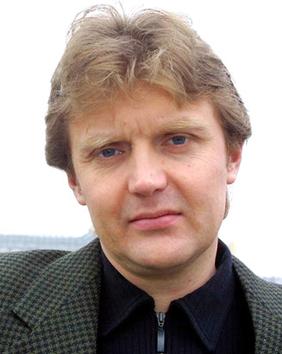
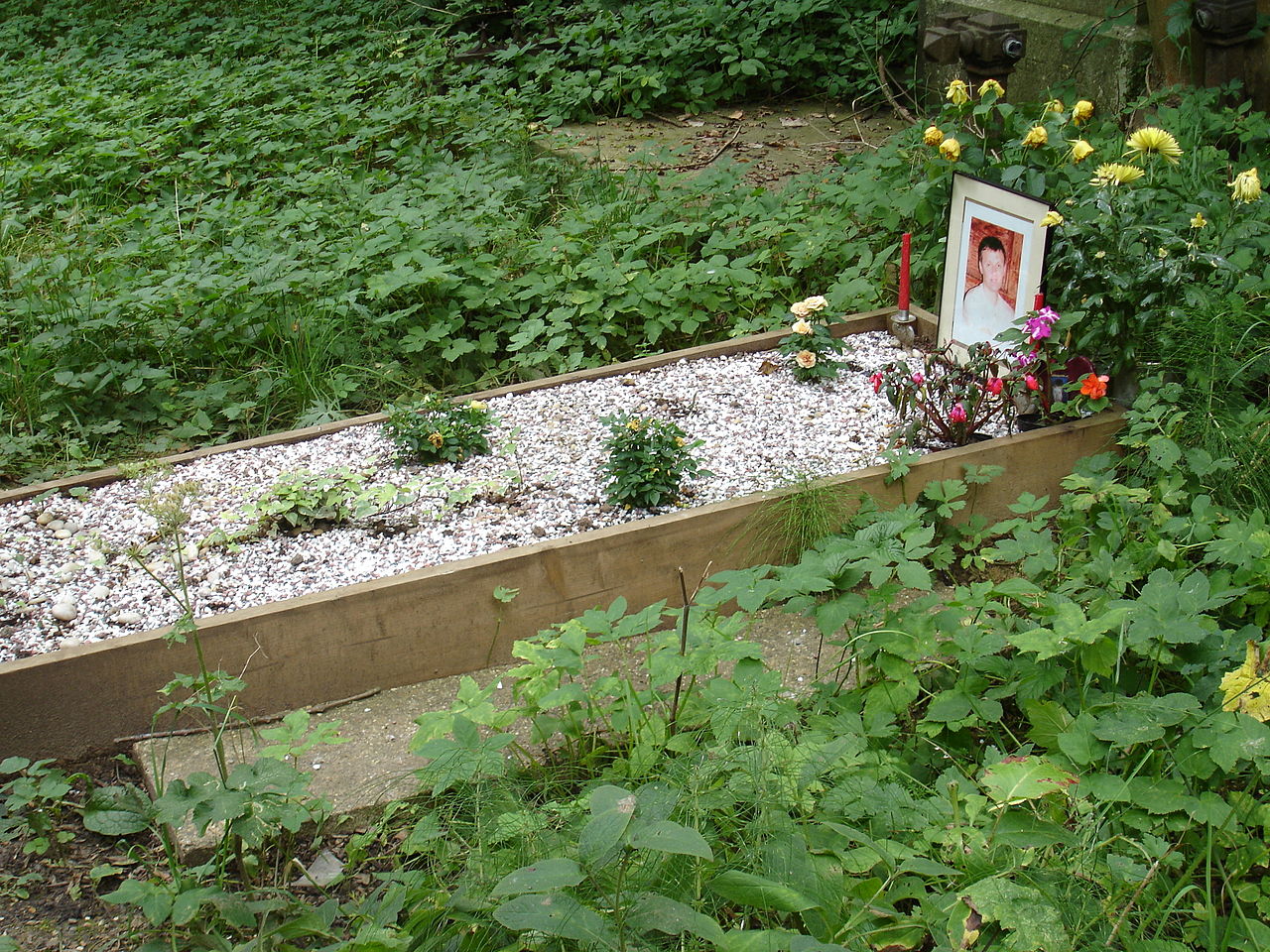


Career and activism
Litvinenko served in Soviet and post‑Soviet security agencies and rose through the ranks in the 1990s. In the early 2000s he publicly accused elements within Russian security structures of unlawful actions and co‑authored investigative works that challenged official accounts of major events. His allegations and public interviews made him a high‑profile critic and helped secure his asylum in the United Kingdom, where he continued to speak and write about corruption and abuse of power.
Poisoning and death
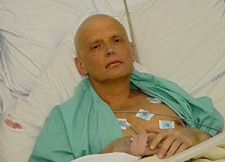
In November 2006 Litvinenko suddenly fell ill in London and died on 23 November 2006. Medical examination and forensic analysis identified acute radiation syndrome caused by polonium‑210, a rare radioactive substance. Traces of polonium were subsequently found at locations he had visited. British investigators identified two suspects who had met him in London; the Russian authorities denied requests for extradition.
Investigations and rulings
The case prompted a long and high‑profile inquiry in the United Kingdom, which concluded that his death resulted from deliberate poisoning and implicated operatives of Russian state security. In September 2021 the European Court of Human Rights ruled that Russia was responsible for the poisoning. The affair strained UK–Russia relations and raised international concern about the use of radioactive materials as a weapon.
Legacy and significance
Litvinenko's murder remains one of the most notorious politically charged poisonings of the 21st century. It has been cited in discussions about state‑linked reprisals, transnational security, and the safety of dissidents abroad. His case also prompted changes in how investigators detect and trace radioactive contaminants in urban environments.
Key facts
- Birth: reported in 1962 (some sources cite differing dates)
- Former security officer who became a critic and author
- Killed in London on 23 November 2006 by polonium‑210 poisoning
- British inquiry and the ECHR found state responsibility; extradition requests were not honored
For further reading, contemporary press coverage and official reports from the UK inquiry and international human‑rights tribunals provide detailed timelines and findings. Several books and investigative pieces by journalists and analysts also document his career and the circumstances of his death.
rank details • service records • dissident activity • writings • international ruling
Questions and answers
Q: Who was Alexander Valterovich Litvinenko?
A: Alexander Valterovich Litvinenko was a lieutenant-colonel in the Russian Security Service and later a dissident and writer.
Q: When was he born?
A: He was born on either 30 August or 4 December 1962.
Q: When did he die?
A: He died on 23 November 2006.
Q: What happened to him in 2006?
A: He was poisoned and killed in 2006.
Q: Was anyone held responsible for his death?
A: In September 2021, the European Court of Human Rights ruled that Russia was responsible for Litvinenko's poisoning.
Q: What position did he hold in the Russian Security Service? A: He held the position of lieutenant-colonel in the Russian Security Service.
Related articles
Author
AlegsaOnline.com Alexander Litvinenko Leandro Alegsa
URL: https://en.alegsaonline.com/art/2372
Sources
- telegraph.co.uk : "Alexander Litvinenko birth date"
- timesonline.co.uk : "Alexander Litvinenko birth date"
- timesonline.co.uk : "British police arrive in Moscow to hunt for spy death clues"
- guardian.co.uk : "Clinging to life and under armed guard, the spy the Kremlin denies poisoning"