
County jail (United States): purpose, operation and differences from prisons
County jails are local detention facilities run at the county level in the U.S., used primarily for short-term custody, pretrial detention, and holding people sentenced to short terms. Overview, functions, and distinctions.
Overview
A county jail is a local detention facility operated by a county government in the United States. These jails hold people arrested by local law enforcement, individuals awaiting arraignment or trial, and those serving relatively short sentences ordered by local courts. County institutions are distinct from state prisons and federal facilities in purpose, governance and typical length of stay.
Image gallery
10 Images


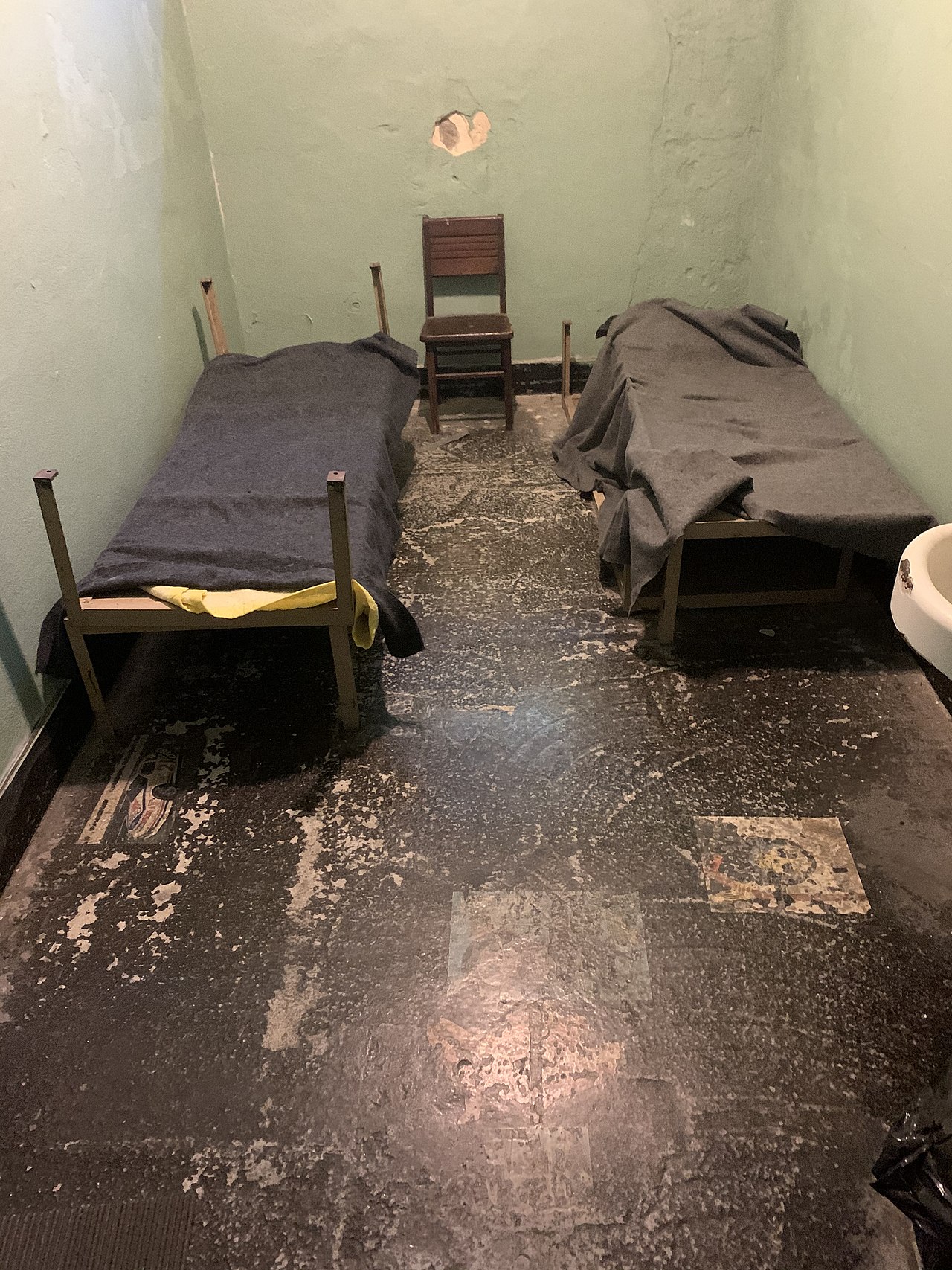


Characteristics and typical functions
County jails vary widely in size and capacity: a small rural county may maintain a single compact facility, while large metropolitan counties may operate multiple jails at different locations. Administration is commonly the responsibility of an elected or appointed sheriff's office or a county corrections department. Common functions include intake and booking, short-term detention, pretrial housing, holding for transfer to other jurisdictions, and providing basic health and welfare services for detainees.
- Booking and intake: processing people newly arrested by law enforcement.
- Pretrial detention: holding people who have not been released on bail or recognizance.
- Short sentences: confinement for misdemeanors or local sentences usually measured in days or months.
- Transport and transfer: moving detainees to court, state prisons, or other agencies.
History and legal context
The modern county jail system developed alongside local government structures in the United States. Historically, counties were tasked with maintaining order and custody of offenders close to the communities they served. Legal frameworks and standards differ by jurisdiction but commonly reflect state law; counties operate within a state regulatory environment and can be affected by state court rulings, statutes, and oversight mechanisms. For an administrative definition, see the county-level government entry at county and the broader state context at state.
Distinctions, challenges and notable facts
County jails are distinct from state prisons (which house people convicted of more serious, long-term offenses) and federal prisons (which hold those convicted under federal law). They are often the focal point for issues such as overcrowding, mental health and substance abuse services, and the costs of pretrial detention. Many jurisdictions have explored alternatives including diversion programs, electronic monitoring, and expanded use of pretrial release to reduce jail populations. Despite their local character, county jails play a central role in the broader criminal justice system by serving as the first point of confinement after arrest and the primary site for short-term custody.
Because practices and conditions differ by county and state, specific procedures—such as visitation rules, bail processes, and inmate services—are best checked with the local sheriff's office or county corrections department.
Questions and answers
Q: What is a county jail?
A: A county jail is a type of jail maintained in each of the many county divisions of a U.S. state.
Q: Who gets moved to a county jail?
A: People who are arrested may be moved to a county jail immediately or later from a local holding cell or detention center.
Q: Are there single jail facilities for county jails?
A: Yes, in smaller counties there may be a single jail facility.
Q: How many jails do larger, more populated counties operate?
A: Larger, more populated counties will often operate more than one jail at locations throughout the county.
Q: What is the purpose of county jails?
A: The purpose of county jails is to hold prisoners.
Q: How do county jails differ from other types of jails?
A: County jails are specifically maintained in each county, while other types of jails may be maintained by different entities or at different levels of government.
Q: Do all U.S. states have county jails?
A: It is not specified in the given text whether all U.S. states have county jails, but it is mentioned that county jails are used in the United States.
Related articles
Author
AlegsaOnline.com County jail (United States): purpose, operation and differences from prisons Leandro Alegsa
URL: https://en.alegsaonline.com/art/23525
Sources
- legal-aid.org : "What can I expect if I am arrested?"
- shq.lasdnews.net : "LASD JAILS: All General Info"
- expertlaw.com : "What is the Difference Between Jail and Prison"
- americasquarterly.org : "Prisons: In Jail, But Not Sentenced"
- alternet.org : "In America, Innocent Until Proven Guilty? Not for Most People Who Are Stuck in Jail"
- brennancenter.org : "Save Jail for the Dangerous"