
Costa Mesa, California
Costa Mesa, a city in Orange County incorporated in 1953, is a suburban and commercial center known for retail, the arts, and light industry. Population was 109,960 at the 2010 U.S. Census.

Overview
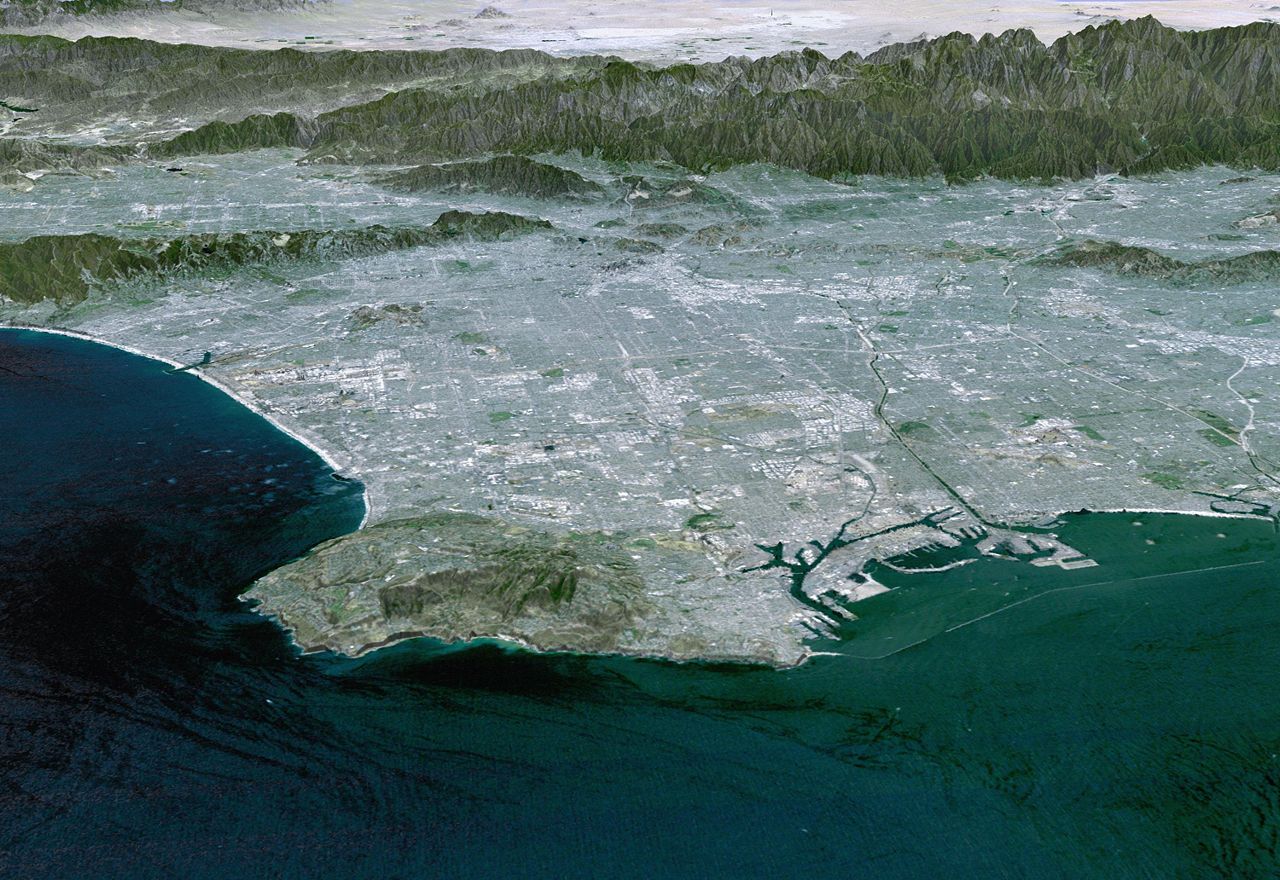
Costa Mesa is a city in central Orange County, California, that developed from agricultural roots into a densely settled suburban and commercial center. Incorporated in 1953, the community shifted from farms and ranches to a mixed economy focused on retail, offices, cultural institutions and light manufacturing. According to the 2010 United States Census, the population was 109,960. The city sits inland from the Pacific coast and is part of the greater Los Angeles metropolitan area.
Image gallery
9 Images


History and development
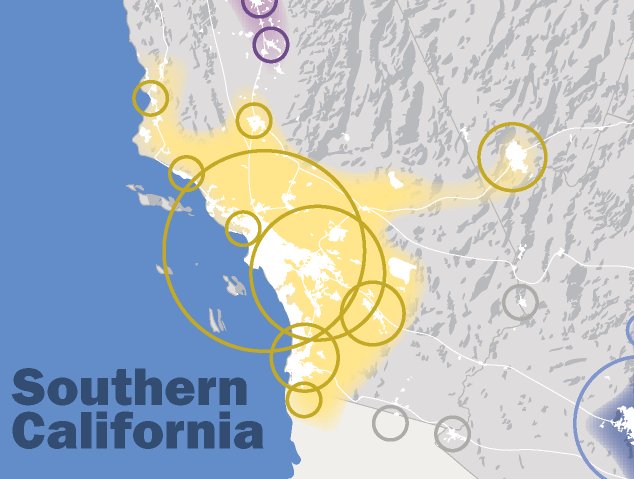
Before suburbanization, Costa Mesa was largely agricultural, with fields, orchards and dairy operations. After World War II the area experienced rapid housing and commercial growth as Southern California expanded. The formal incorporation in 1953 gave residents local control over services and planning, which guided later retail and civic development. Over decades the city transitioned into an "edge city"—a suburban center with significant employment and shopping amenities.
Economy, culture and institutions
Costa Mesa is best known for its retail and cultural destinations. Major shopping and dining centers attract regional visitors, and performing arts venues and galleries form a lively cultural scene. The local economy is a mix of retail, professional services, design and light manufacturing. The city also supports small businesses, creative firms and community arts organizations that contribute to its reputation as a regional arts hub.

Geography, transport and recreation
The city occupies a mostly flat area a few miles inland from the coast, with a Mediterranean climate typical of coastal Southern California. It is well connected by regional roads and lies close to other Orange County communities and to John Wayne Airport. Residents and visitors enjoy nearby beaches, parks and recreational facilities, plus neighborhood shopping districts and civic amenities.
Notable facts and features
- Incorporated in 1953, it evolved quickly from agriculture to suburban commerce.
- Known for prominent shopping centers and performing arts venues that draw regional audiences.
- Serves as a commercial and employment center within Orange County; often described as an edge city.
- Local government, community organizations and businesses collaborate on planning, arts and economic initiatives.
For an overview of the broader region, see Orange County references and resources about Southern California urban development.
Questions and answers
Q: In which county is Costa Mesa located?
A: Costa Mesa is located in Orange County, California.
Q: When did Costa Mesa become a city?
A: Costa Mesa became a city in 1953.
Q: What was Costa Mesa initially like when it was still a farming community?
A: When Costa Mesa was still a farming community, it had a population of 16,840.
Q: What is the economy of Costa Mesa based on now?
A: The economy of Costa Mesa is based on retail, commerce, and light manufacturing.
Q: What was the population of Costa Mesa at the 2010 United States Census?
A: The population of Costa Mesa was 109,960 at the 2010 United States Census.
Q: Is Costa Mesa a suburban or urban city?
A: Costa Mesa is a suburban and edge city.
Q: What are the main industries in Costa Mesa?
A: The main industries in Costa Mesa are retail, commerce, and light manufacturing.
Related articles
Author
AlegsaOnline.com Costa Mesa, California Leandro Alegsa
URL: https://en.alegsaonline.com/art/23335
Sources
- msn.com : "Records and Averages"
- weather.com : Weather Channel