
Cosne-Cours-sur-Loire: Loire-side commune and subprefecture in central France
Cosne-Cours-sur-Loire is a French commune on the Loire river in Nièvre, Bourgogne-Franche-Comté. It serves as a subprefecture and local centre for trade, transport and regional heritage.
Overview
Cosne-Cours-sur-Loire is a commune in central France situated on the banks of the Loire. It belongs to the Nièvre department and lies within the administrative area of Bourgogne-Franche-Comté. The town functions as a subprefecture, serving as an administrative centre for the surrounding arrondissement and neighbouring communes. Its riverside position has shaped its identity as a local hub of commerce and transit.
Image gallery
7 Images


Geography and urban character
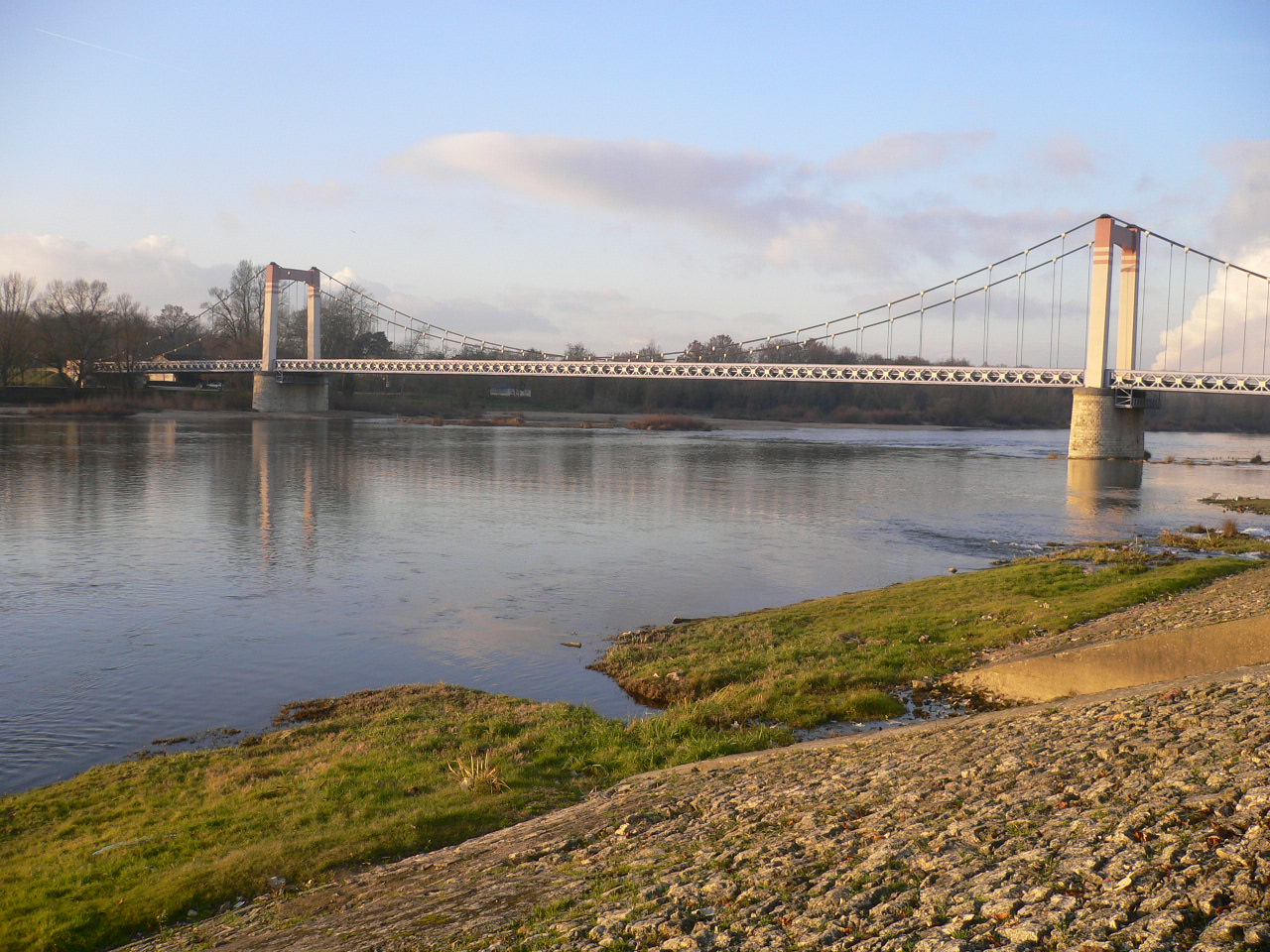
Set along a broad stretch of the Loire, the commune combines a compact historic centre with modern residential and light industrial zones. The riverbank, adjoining floodplain meadows and rolling agricultural land beyond, define the local landscape. Streets close to the water typically contain older stone buildings and public spaces where markets and communal events occur.
History and development
The settlement grew around river trade and local markets; like many Loire towns it developed in the medieval period and expanded in the 19th century with improvements to road and rail links. Over time Cosne-Cours-sur-Loire consolidated its role as a regional service town, adding administrative, educational and commercial functions for its hinterland.
Economy, culture and attractions
Economic activity combines agriculture and services with small-scale manufacturing and commerce. Vineyards and farms in the wider Bourgogne-Franche-Comté region influence local produce and culinary traditions. Cultural life includes heritage architecture, civic festivals and outdoor recreation along the river. Visitors often appreciate riverside walks, market days and the atmosphere of a provincial French town.
Transport and significance
The commune is connected by regional roads and rail services that link it to larger cities and neighbouring departments, making it a local transport node. Historically river navigation contributed to trade; today the Loire adds scenic and recreational value. As a subprefectural town it continues to play a practical administrative role for residents of the Nièvre countryside.
Quick facts
- Status: Commune and subprefecture
- Department: Nièvre (department)
- Region: Bourgogne-Franche-Comté (region)
- River: Loire
- More information: see local sources and regional guides
Questions and answers
Q: What is Cosne-Cours-sur-Loire?
A: Cosne-Cours-sur-Loire is a commune located in the Nièvre department in the Bourgogne-Franche-Comté region in central France.
Q: What is the Nièvre department?
A: The Nièvre department is a administrative subdivision of France located in the Bourgogne-Franche-Comté region.
Q: What is the Bourgogne-Franche-Comté region?
A: The Bourgogne-Franche-Comté region is a administrative region located in central-eastern France.
Q: Is Cosne-Cours-sur-Loire a subprefecture of the Nièvre department?
A: Yes, Cosne-Cours-sur-Loire is a subprefecture of the Nièvre department.
Q: What is a subprefecture?
A: A subprefecture is a lower level administrative division in France.
Q: In what region is Cosne-Cours-sur-Loire located?
A: Cosne-Cours-sur-Loire is located in the Bourgogne-Franche-Comté region of France.
Q: What is the capital city of the Bourgogne-Franche-Comté region?
A: The capital city of the Bourgogne-Franche-Comté region is Dijon.
Related articles
Author
AlegsaOnline.com Cosne-Cours-sur-Loire: Loire-side commune and subprefecture in central France Leandro Alegsa
URL: https://en.alegsaonline.com/art/23318
Sources
- mairie-cosnesurloire.fr : "Les élus du Conseil municipal"
- insee.fr : "Commune de Cosne-Cours-sur-Loire (58086)"
- map-france.com : "City of Cosne-Cours-sur-Loire"
- annuaire-mairie.fr : "Ville de Cosne-Cours-sur-Loire"
- habitants.fr : "Nièvre"
- insee.fr : "Régions, départements, arrondissements, cantons et communes"
- insee.fr : "Commune de Cosne-Cours-sur-Loire (58086)"