
Copper (color)
A warm reddish‑orange hue that evokes the metal copper, often rendered with a metallic sheen and known for its range from pale, pinkish tones to deep, brownish orange.
The color copper takes its name from the metallic element and evokes the warm, reddish‑orange appearance of newly worked metal. In common usage the term describes a family of hues that suggest a metallic, lustrous surface rather than a flat pigment. For information about the metal itself see the metal copper and for general background on the term see copper.
Image gallery
4 Images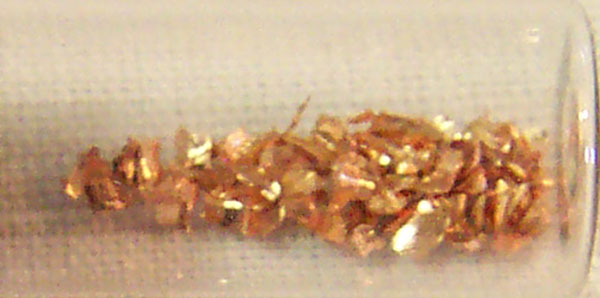
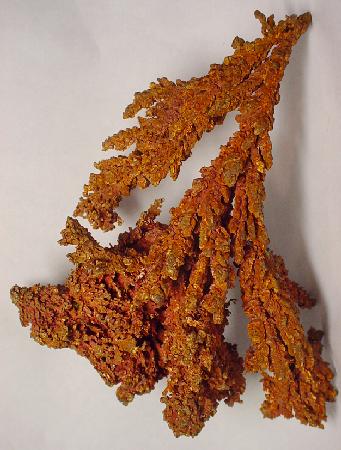


Characteristics and variants
Copper shades range from light, pink‑tinged orange to deeper brownish‑orange tones. The perceived metallic quality depends on highlights and reflections, which are difficult to reproduce in plain paint or on digital screens. Over time exposed copper develops a greenish patina (verdigris), a distinct visual change associated with aging metal rather than a single color name.
History and naming
The English adjective "copper" as a color name has a long history; the first recorded use in English dates back to 1594. Historically, artists and metalworkers matched pigments to the appearance of the metal when describing paints, textiles, and decorative finishes.
Common variants and related terms include:
- pale copper — lighter, more orange or pink;
- deep copper — darker, with brown undertones;
- metallic copper — includes simulated sheen to mimic reflections;
- verdigris — the green patina that contrasts with copper tones.
In design and manufacturing, "copper" is used as a descriptive color for finishes, fabrics, branding, and automotive paints. When used digitally or in print, designers often pair copper tones with neutrals like cream, charcoal, or navy to emphasize warmth and contrast. Because glazing, metallic inks, and special pigments can better approximate the metal's sheen, plain pigments are typically described as "copper‑colored" rather than truly metallic.
Distinctions: copper differs from close colors such as bronze (an alloy tone often darker and browner) and rust (a muted, oxidized orange). Its cultural associations include warmth, durability, and a link to craft and industry, while the patinated green connects it to age and historical architecture.
Questions and answers
Q: What is copper color?
A: Copper color is the color of the metal copper.
Q: What does copper color look like?
A: Copper color looks purplish-orange.
Q: When was copper first used as a color name in English?
A: Copper was first used as a color name in English in 1594.
Q: What inspired the use of copper as a color name?
A: The metal copper inspired the use of copper as a color name.
Q: Is copper color commonly used in art?
A: Yes, copper color is commonly used in art.
Q: Can copper color be found in nature?
A: Yes, copper color can be found in some natural phenomena like sunsets and autumn leaves.
Q: Does the color of copper change with time?
A: Yes, the color of copper changes with time due to oxidation. Initially, it is shiny and metallic, but after long exposure to air, it turns greenish.
Related articles
Author
AlegsaOnline.com Copper (color) Leandro Alegsa
URL: https://en.alegsaonline.com/art/22953