
Conwy — walled market town and castle on the River Conwy, North Wales
Conwy is a historic walled coastal market town in North Wales, renowned for Conwy Castle, intact medieval walls, a tidal estuary setting and a long tradition as a tourist destination.
Conwy is a small walled coastal market town in North Wales, set at the mouth of the River Conwy where the river meets the Irish Sea. Historically anglicised as Conway, the town sits within the modern Conwy County Borough and faces the neighbouring settlement of Deganwy across the water. Its compact historic core includes a medieval harbour, narrow streets and one of the most complete stretches of town wall in Britain—an attraction often noted by visitors and scholars alike (town walls). The settlement developed as a medieval market centre and retains that identity today as a local marketplace and tourist hub (coastal market town).
Image gallery
10 Images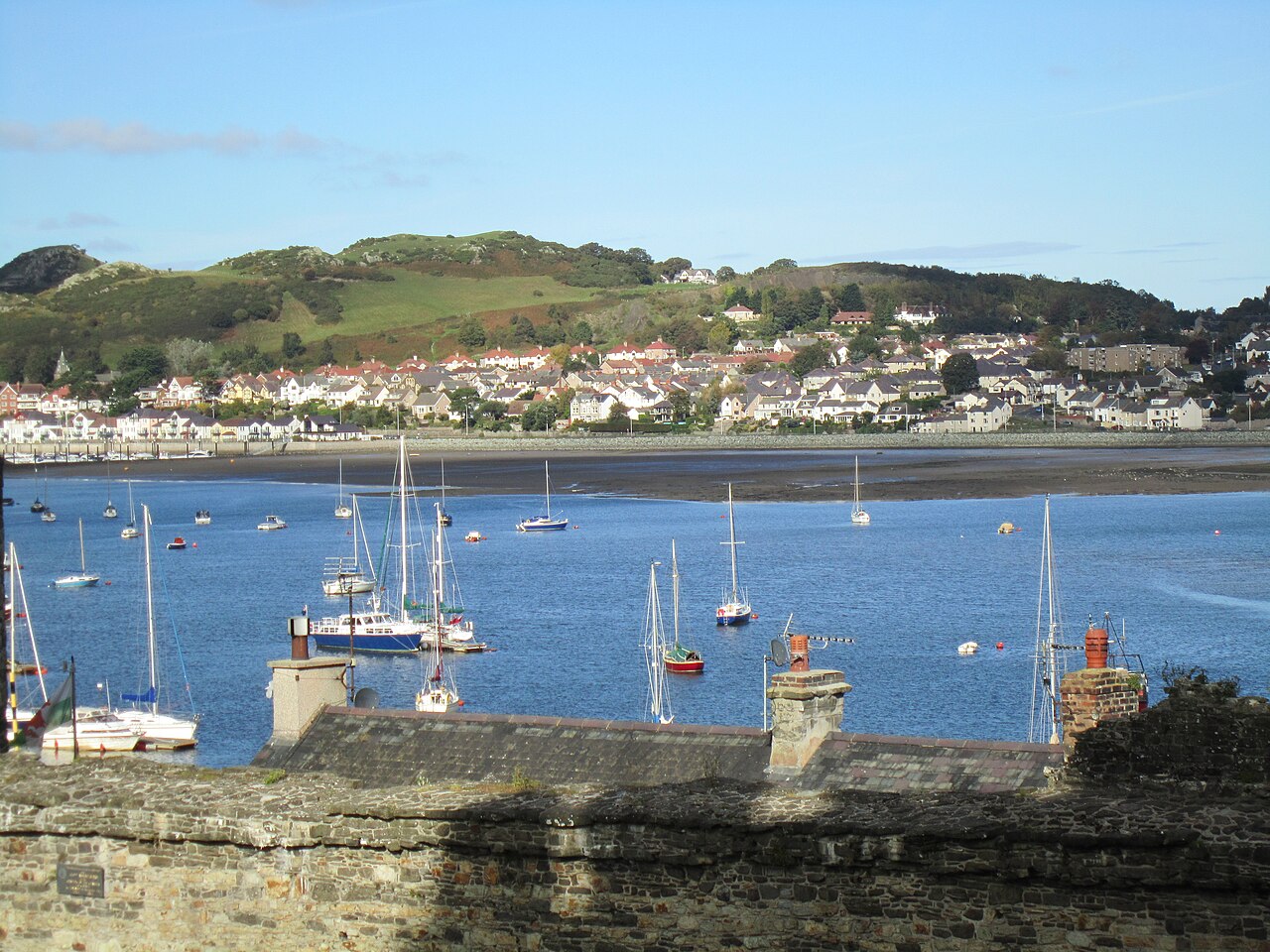



Origins and name
The town takes its name from the river. The Welsh name is derived from older elements usually interpreted as cyn meaning ‘chief’ and gwy meaning ‘water’ or ‘river’, reflecting the importance of the estuary in the locality. The river itself has been central to the community’s economy and identity for centuries: fishing, ferrying and later recreational boating have all developed around the tidal water. The place and language links are part of a broader Welsh cultural landscape (Welsh).
History and development
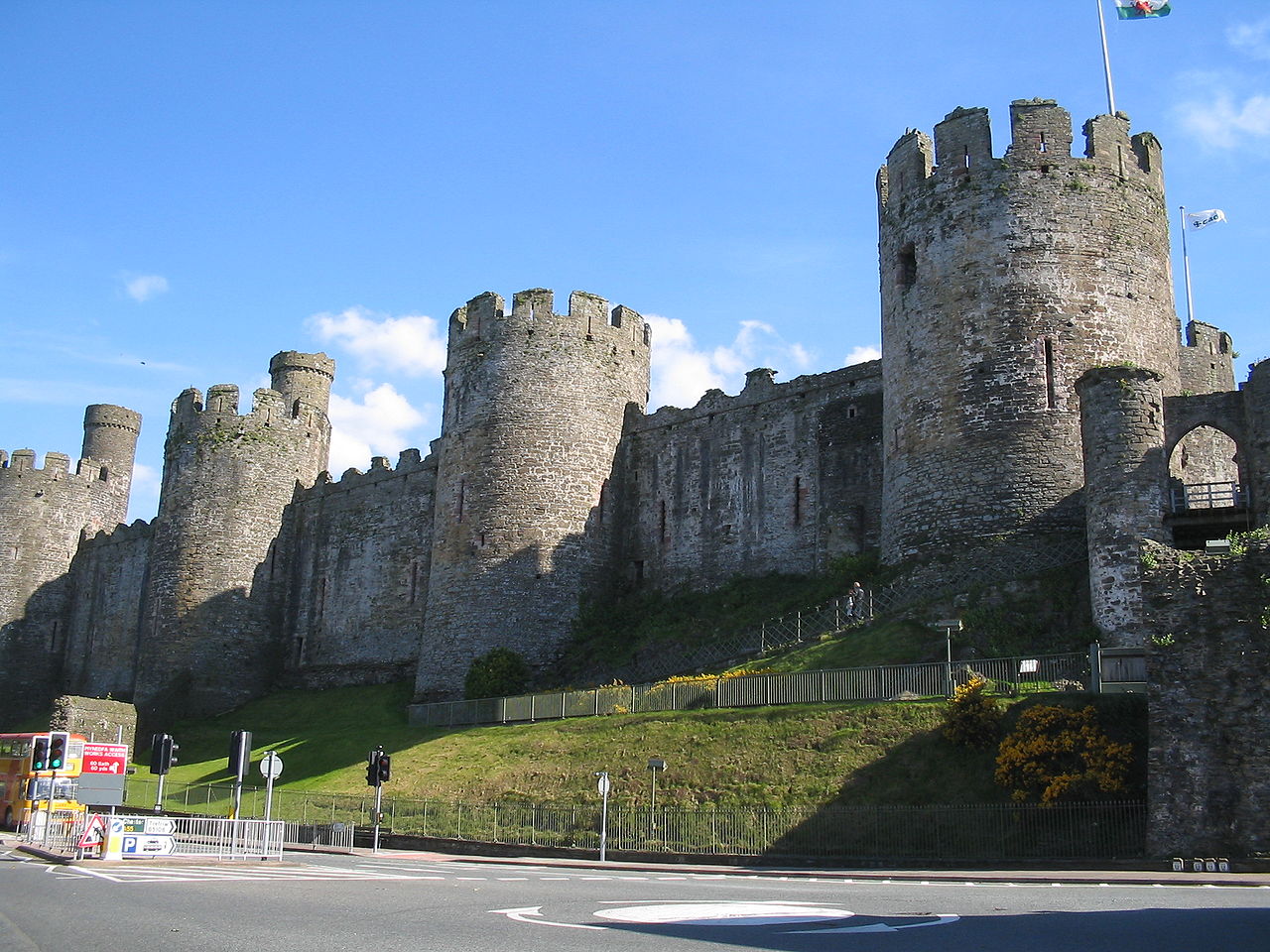
Conwy’s most visible medieval monument is Conwy Castle, constructed under Edward I as part of a sequence of fortifications that reshaped north-west Wales. The main building phase dates to the late 13th century, begun around 1283 and substantially completed by 1289. The castle and the encircling walls survive in good condition and are part of the ensemble of Edwardian castles and town walls that attract academic interest. During later centuries the town retained its market role while adapting to changes in trade and transport, including the arrival of rail links that linked neighbouring places such as Llandudno Junction.
Landmarks, attractions and economy
Visitors to Conwy are drawn to several complementary features: the medieval castle and ramparts; a sandy beach and estuary frontage; a preserved town centre with shops and tea rooms; and a marina and small harbour that serve leisure craft. Tourism is a major part of the local economy, with accommodation, guided walks, museums and seasonal events supporting local businesses (tourist). Typical visitor itineraries combine historical sightseeing with coastal walks and boat trips on the river.
Administration, population and modern life
Conwy lies within the administrative county borough of the same name and, historically, the area was connected to counties such as Gwynedd and the old county of Caernarfonshire. The wider community, which includes Deganwy and Llandudno Junction, has a population in the mid-teens of thousands according to recent local counts (population), while the historic town itself is home to a few thousand residents. Local services combine the needs of permanent residents and seasonal visitors, and conservation of the medieval fabric is an ongoing concern.
Notable facts and visiting information
- Conwy is known for its well-preserved medieval walls and castle—both key elements of the town’s identity and heritage (walls, castle).
- The town’s compact centre makes it suitable for walking tours and short stays focused on history and coastal scenery.
- Transport links, seasonal visitor facilities and nearby settlements such as Deganwy and Llandudno Junction support tourism and daily life.
- Further information on local events, conservation and practical visitor advice can be found through local authorities and heritage organisations (Conway name, tourist information).
For structured references and practical links—historic records, visitor centres and administrative resources—consult local archives and official portals that specialise in Welsh heritage and community services (county borough, Gwynedd historical context, language resources, river, demography, 1283, 1289, beach details).
Questions and answers
Q: What is the name of the town?
A: The town is called Conwy, traditionally known in English as Conway.
Q: Where is it located?
A: It is located in Conwy County Borough, North Wales.
Q: What does the name of the town originate from?
A: The town's name originates from the old Welsh words "cyn" (chief) and "gwy" (water).
Q: How many people live in the community?
A: The community has a population of 14,723.
Q: How many people live in the town itself?
A: The town itself has a population of 4,065.
Q: What makes this town a popular tourist destination?
A: This town is a popular tourist destination and is famous for its castle, built between 1283 and 1289, beach and town walls.
Related articles
Author
AlegsaOnline.com Conwy — walled market town and castle on the River Conwy, North Wales Leandro Alegsa
URL: https://en.alegsaonline.com/art/22858