
Conventional weapon
Weapons and munitions intended for tactical or strategic military use that are not classed as weapons of mass destruction, including vehicles, aircraft, artillery, small arms and naval forces.
Overview
Conventional weapons are arms and munitions intended for military or policing use that do not fall under the category of weapons of mass destruction (chemical, biological, radiological or nuclear). They are the principal instruments of traditional armed conflict and include a wide range of delivery systems, platforms and ordnance. There is no single universally accepted definition: legal, political and military communities often use the term with varying scope and emphasis. For a general reference see definition sources.
Image gallery
1 Image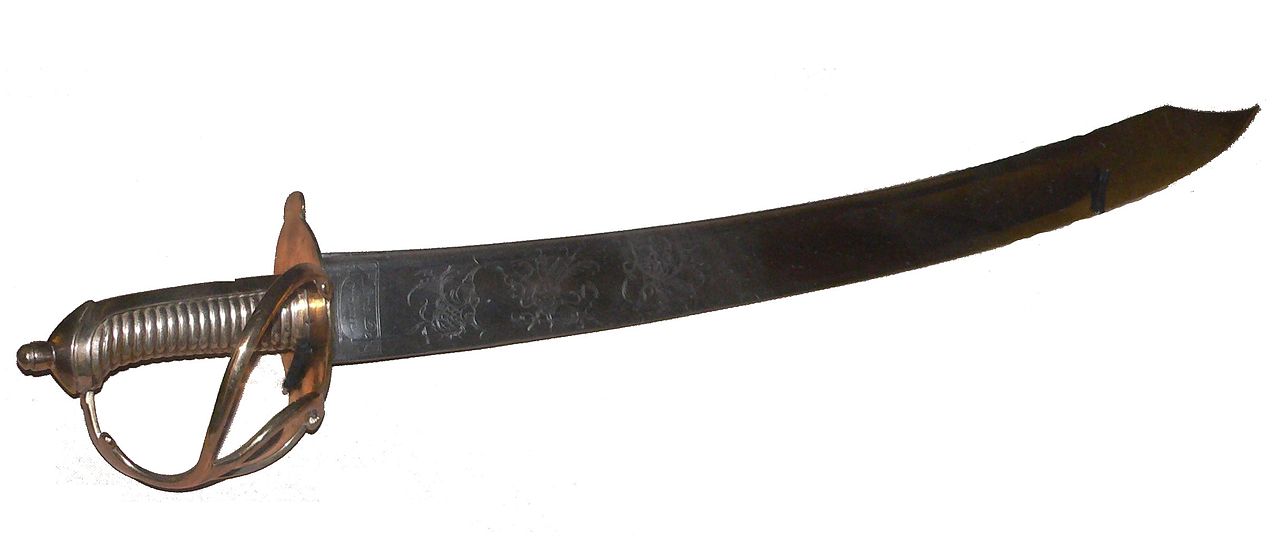
Major categories and characteristics
Conventional weapons are typically distinguished by their scale, intent and effects. Common categories include:
- Combat aircraft and armed helicopters, which provide air superiority, close air support and transport roles.
- Warships, including surface combatants and support vessels that operate at sea.
- Artillery—field guns, howitzers and rocket systems—used for indirect fire over distance.
- Small arms and light weapons such as rifles, pistols and machine guns, which are central to infantry combat.
- Ammunition and related ordnance that enable weapon systems to function.
- Armoured fighting vehicles and tanks that combine mobility, protection and firepower.
- Area weapons such as land mines and cluster munitions, which raise specific humanitarian and legal concerns.
History and development
The concept of conventional weaponry evolved with changes in technology and doctrine. From pre-modern siege engines and melee arms to the industrial-age machine gun, artillery and naval fleets, each technological step altered tactics and the scale of warfare. In the 20th century, mechanization, aviation and guided munitions expanded the conventional toolkit while also blurring boundaries with strategic effects once associated with weapons of mass destruction.
Uses, regulation and notable issues
Conventional weapons are used for national defense, peacekeeping, policing and armed conflict. Their transfer, stockpiling and use are subject to national laws and international agreements aimed at reducing harm to civilians and preventing destabilizing accumulation. Treaties, export controls and humanitarian law address items such as indiscriminate weapons and the protection of non-combatants. Debates over arms control often focus on specific systems (for example, anti-personnel mines and cluster munitions), their long-term dangers and measures for clearance and victim assistance.
Distinctions and contemporary significance
Conventional weapons differ from weapons of mass destruction mainly by intended lethality, area effects and long-term contamination. Nevertheless, highly capable conventional systems can produce strategic consequences, especially when integrated into modern command-and-control, precision strike and networked defense architectures. Understanding conventional weapons requires attention to technical features, legal restrictions and humanitarian impact, as well as their role in geopolitics and military planning.
Further reading and resources can be found via technical inventories and policy documents: see entries on specific platforms and munitions such as artillery, combat aircraft and small arms (details).
Questions and answers
Q: What are conventional weapons?
A: Conventional weapons are weapons that are not weapons of mass destruction used in modern conventional warfare.
Q: What are examples of conventional weapons?
A: Examples of conventional weapons include armoured fighting vehicles, armed helicopters, combat aircraft, artillery, warships, small arms, ammunition, cluster munitions, and land mines.
Q: What is the difference between conventional weapons and weapons of mass destruction?
A: Conventional weapons are not as destructive as weapons of mass destruction, which can cause severe damage and loss of life on a large scale.
Q: Are conventional weapons widely used in modern conflicts?
A: Yes, conventional weapons are the main weapons used in modern conventional warfare.
Q: Is there a single definition of conventional weapons?
A: No, there is no single definition of conventional weapons.
Q: Can cluster munitions and land mines be considered conventional weapons?
A: Yes, cluster munitions and land mines are among the list of conventional weapons, but it is not an exhaustive list.
Q: What are some examples of conventional weapons used by the military?
A: Some examples of conventional weapons used by the military are tanks, fighter jets, battleships, and rifles.
Related articles
Author
AlegsaOnline.com Conventional weapon Leandro Alegsa
URL: https://en.alegsaonline.com/art/22831
Sources
- thefreedictionary.com : "conventional weapon"
- ipb.org : "Weapons and Their Impacts on Communities Conventional Weapons"
- un-register.org : "The Global Reported Arms Trade; The UN Register of Conventional Arms"