
Contemporary art: definition, history, forms, and cultural role
An introduction to contemporary art: its definition, distinguishing features, historical development since mid-20th century, principal forms and practices, and its role in institutions, markets, and public life.
Overview
Contemporary art generally denotes the visual art made and exhibited from the mid-20th century to the present day. The term is used to separate recent practice from what critics often call "modern art," a label that historically described many 19th- and early 20th-century movements. Because terminology varies, some writers overlap contemporary and postmodern art, while others treat them as distinct phases. For broader cultural theory the related label Postmodernism is commonly referenced; for specific movements that preceded or influenced it see links to Pop and Conceptual art or earlier modern art discussions.
Image gallery
5 Images


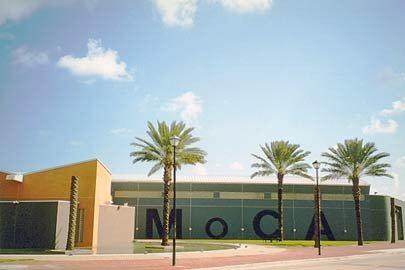
Characteristics and common forms
Contemporary art resists a single style; instead it is defined by a set of tendencies and practices. Some recurring characteristics include experimental use of materials, an emphasis on idea or concept, interdisciplinary approaches, and engagement with current social or political issues. Works may be short-lived or site-specific, and new media—video, performance, installation, and digital art—play an important role alongside painting and sculpture.
- Materials and media: found objects, industrial materials, digital technologies, and time-based media.
- Approach: concept-driven, process-oriented, participatory, or relational practices.
- Themes: identity, globalization, environment, memory, and critique of institutions.
History and development
The need for the label "contemporary" grew out of a long history in which the word "modern" already applied to many earlier movements, from the mid-Victorian era through avant-garde developments of the 20th century. As artists after World War II explored Pop, Conceptual, and other directions, critics and historians sought new terminology to describe art produced "now." Movements such as Pop Art and Conceptual Art provided turning points; see resources on Pop and Conceptual art. Histories of earlier modern art remain relevant to understanding continuities—some trace roots back through late 19th-century innovations in Europe, including the mid-Victorian transformations in culture and technology noted by some scholars (Victorian period).
Contexts, institutions, and public role
Contemporary art is shaped by museums, biennials, galleries, and art fairs as well as by academic institutions and public commissions. The market and critical institutions can elevate particular artists or approaches, while alternative spaces and community projects often foreground experimental work. Public engagement—through site-specific sculpture, socially engaged practice, and digital platforms—has expanded how audiences encounter art.
Examples and distinctions
Typical examples of contemporary practice include immersive installations, performance pieces that involve audiences, digitally generated imagery, and artworks addressing climate change or migration. Distinctions to keep in mind: "modern art" usually refers to earlier 19th- and 20th-century movements; "postmodern" is used by some to describe a set of attitudes and strategies that challenge grand narratives. For an accessible entry to earlier currents see material on modern art and how later movements relate to Pop and Conceptual art. Further cultural theory contexts are discussed in sources on Postmodernism.
Because contemporary art is continually evolving, definitive boundaries are fluid: artists, critics, institutions, and audiences regularly renegotiate what the term means as new technologies and social conditions emerge.
Questions and answers
Q: What is contemporary art?
A: Contemporary art refers to modern art that has been created after the Pop Art and Conceptual Art movement.
Q: Is postmodern art the same as contemporary art?
A: Yes, postmodern art is another term used to refer to contemporary art.
Q: What is the term that includes more than art?
A: Postmodernism is a broader term that encompasses more than art.
Q: Why is there a problem with labelling contemporary art?
A: The word 'modern' in art was used for art throughout the 20th century, so when art critics wanted to describe post-WWII art, they had to use a different word.
Q: What does 'contemporary' mean in art?
A: In art, contemporary means 'at the same time as', so it comes to mean modern.
Q: What does modern come to mean in art?
A: In art, modern comes to mean earlier.
Q: What does contemporary art cover?
A: Contemporary art covers a wide range of styles and movements from the mid-Victorian period to post-WWII art.
Related articles
Author
AlegsaOnline.com Contemporary art: definition, history, forms, and cultural role Leandro Alegsa
URL: https://en.alegsaonline.com/art/22732