
Containment building (nuclear reactor safety structure)
A containment building is a reinforced structure surrounding a nuclear reactor that confines radioactive material, controls pressure and releases, and supports other engineered safety systems.
Overview
A containment building is the robust, engineered shell that surrounds a nuclear reactor and primary systems. Its principal purpose is to retain radioactive material and limit releases to the environment if the reactor core or coolant system is damaged. As the final physical barrier in the defence-in-depth approach to nuclear safety, containment complements fuel cladding, coolant systems and other engineered safeguards.
Image gallery
10 Images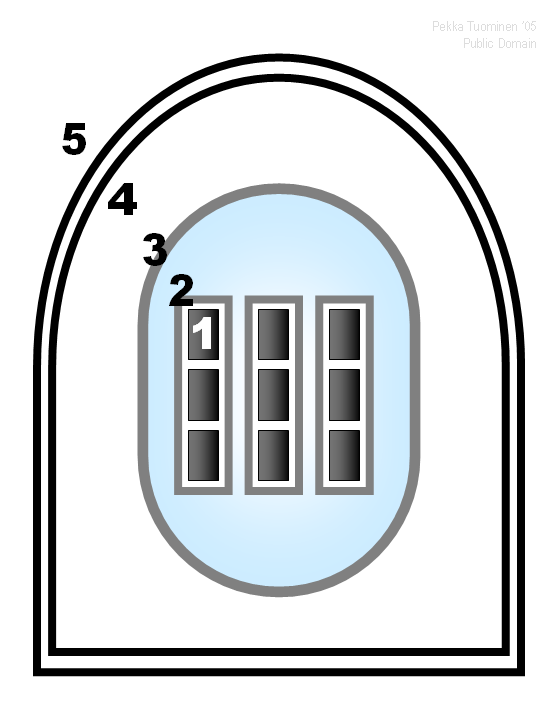



Design and main components
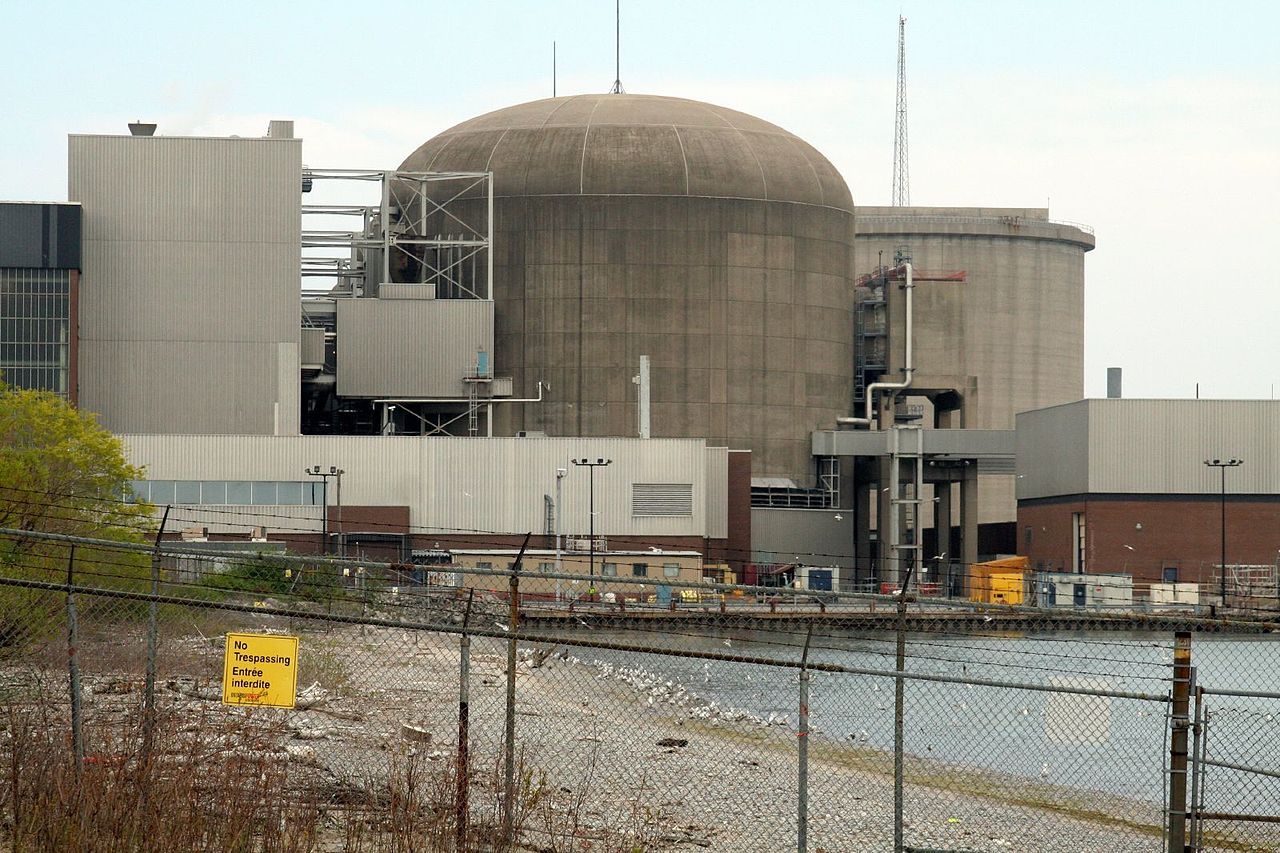
Containment structures are constructed from thick reinforced concrete, often lined with a steel membrane, and may be either single or multi-layered. Typical components and features include:
- Structural shell: heavy concrete and rebar, sometimes prestressed to resist internal pressure.
- Leak-tight liner: an internal steel plate or liner that provides gas-tightness.
- Pressure suppression systems: pools or suppression chambers that reduce peak pressures during steam releases.
- Vents, filters and engineered safety valves: to control pressure while capturing radioactive particles and iodine.
- Hydrogen control: passive autocatalytic recombiners or igniters to prevent explosive gas mixtures.
Types of containment
Design varies with reactor type and era. Common arrangements include:
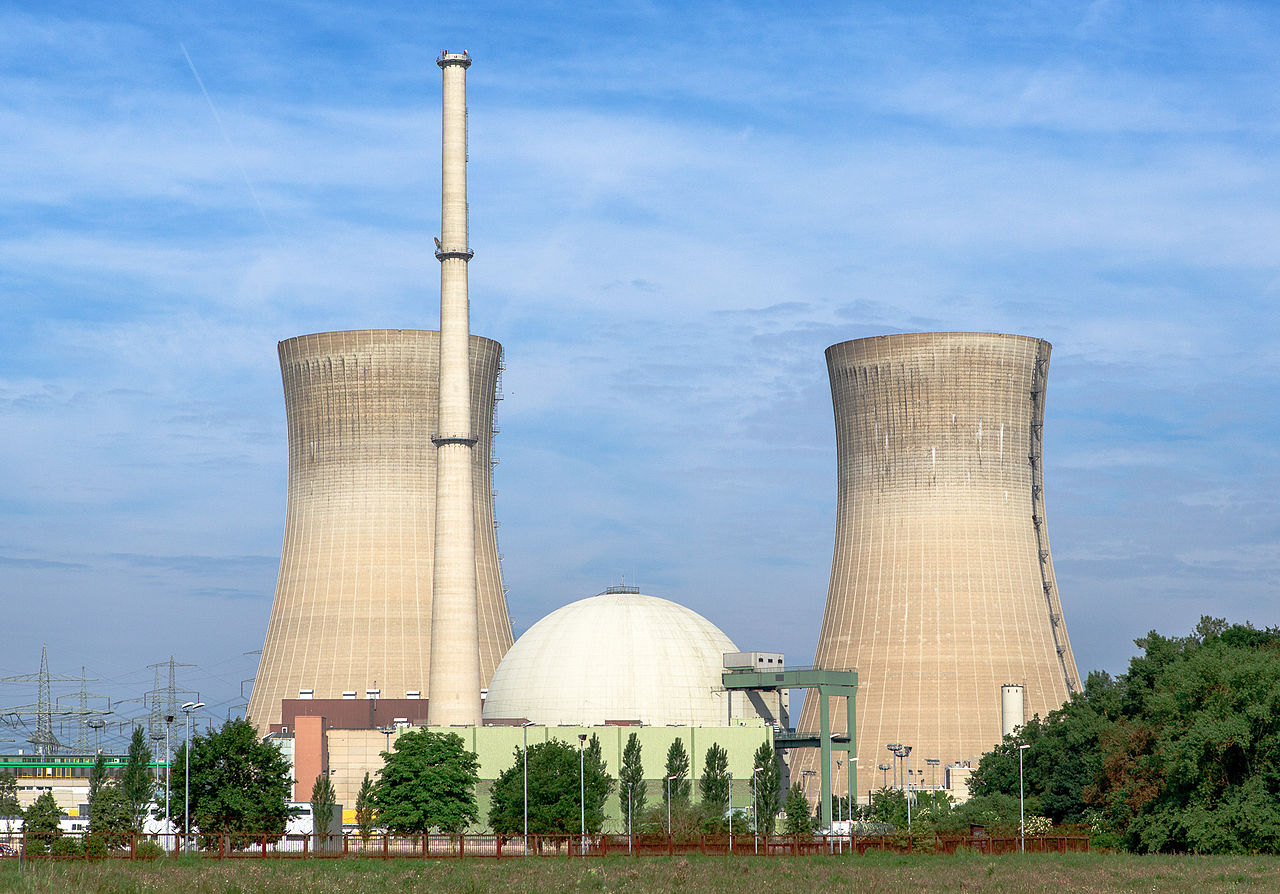
- Large dry containments: typical for pressurized water reactors (PWRs); a single robust volume with heat removal systems.
- Pressure suppression containments: used on many boiling water reactors (BWRs), featuring a suppression pool (torus) that condenses steam.
- Ice condenser and advanced designs: systems that use stored ice to absorb energy and limit peak pressure in some older plants.
- Double or layered containments: an inner leak-tight vessel with an outer enclosure for blast or environmental protection.
History and notable incidents
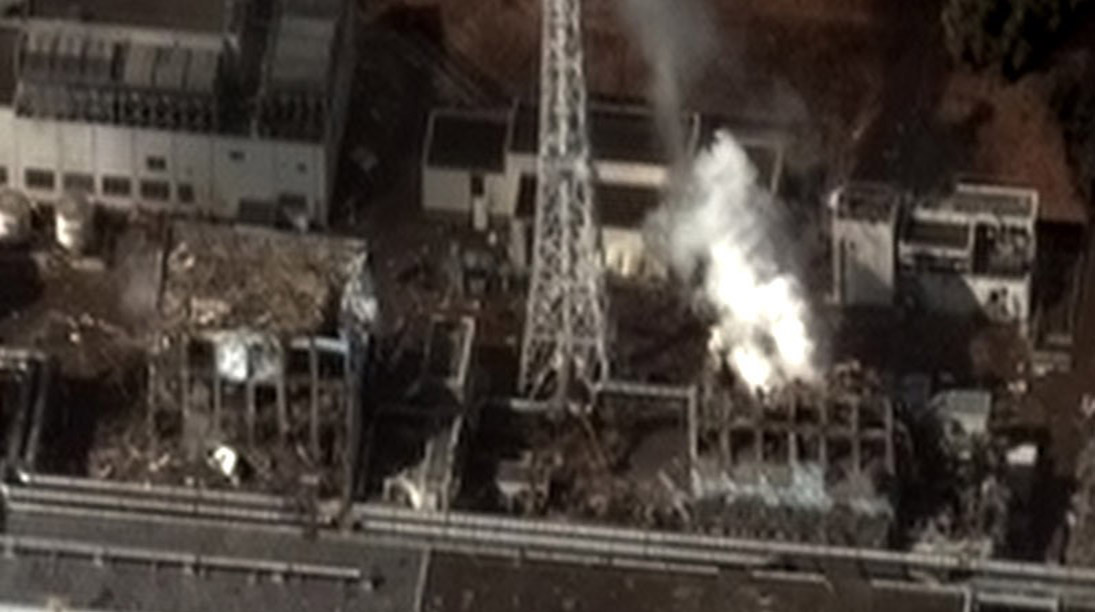
Containment technology evolved as reactors became larger and safety requirements tightened. Early research reactors often had minimal enclosures, while commercial power plants were designed with full containment by the mid-20th century. The absence of a robust containment contributed to the scale of the Chernobyl disaster; the RBMK reactors at that site lacked the sort of enclosed containment used in Western designs. Conversely, at Three Mile Island (1979) containment largely limited off-site releases despite severe core damage. Events such as Fukushima (2011) emphasized the need to consider beyond-design-basis events and led to retrofits and enhanced mitigation measures.
Role in safety and regulation
Containment buildings are designed to withstand specified internal pressures and many external hazards, and are a central focus of regulatory design-basis accident analysis. They work together with emergency core cooling, filtered vents and operator procedures to reduce radiological consequences. Modern strategies also include hardened vents with filtration, passive cooling systems and features to manage hydrogen and other combustion risks.
Further reading and resources
For summaries of containment types and regulatory guidance, see technical overviews and plant-specific sections such as the containment description, reactor design documents at reactor design resources, safety analyses and incident reports at safety report archives. Historical case studies and lessons learned appear in reviews linked from industry evaluations and national regulator summaries at regulatory pages.
Questions and answers
Q: What is a containment building?
A: A containment building is a building that is built around a nuclear reactor to prevent radiation from escaping in the event of a reactor failure.
Q: What is the purpose of a containment building?
A: The purpose of a containment building is to prevent the release of radiation into the environment in the event of a reactor failure.
Q: How are containment systems for nuclear power reactors distinguished?
A: Containment systems for nuclear power reactors are distinguished by size, shape, materials used, and suppression systems.
Q: What determines the kind of containment used in a nuclear power reactor?
A: The kind of containment used in a nuclear power reactor is determined by the type of reactor, generation of the reactor, and the specific plant needs.
Q: Why was the Chernobyl accident so bad?
A: The Chernobyl accident was so bad partly because the Soviet RBMK reactors used at the Chernobyl power plant had no containment buildings.
Q: Would a containment building have completely prevented radiation release at Chernobyl?
A: It is unlikely that a containment building would have completely prevented the release of radiation at Chernobyl, as the explosion was so powerful.
Q: What is the role of the containment building in a nuclear power plant?
A: The role of the containment building in a nuclear power plant is to serve as the last barrier preventing the release of radiation into the environment in the event of a reactor failure.
Related articles
Author
AlegsaOnline.com Containment building (nuclear reactor safety structure) Leandro Alegsa
URL: https://en.alegsaonline.com/art/22729
Sources
- commons.wikimedia.org : Nuclear power plants
- pdhcenter.com : Nuclear Plant Security Systems, PDH Course E182