
Constantinople Conference (1876–77): Great Power proposals for Ottoman reforms
Concise account of the 1876–77 Constantinople Conference: participants, proposed administrative reforms for Bosnia and Bulgarian provinces, diplomatic positions, Ottoman response and its role before the Russo‑Turkish War.
Overview
The Constantinople Conference met in the Shipyard Palace in Constantinople (Istanbul) from 23 December 1876 to 20 January 1877. Convened by the European Great Powers, it aimed to produce a common programme of administrative and political reforms for Ottoman provinces affected by recent unrest. The immediate catalysts were the Herzegovinian uprising that began in 1875 and the Bulgarian disturbances in 1876.
Image gallery
9 Images
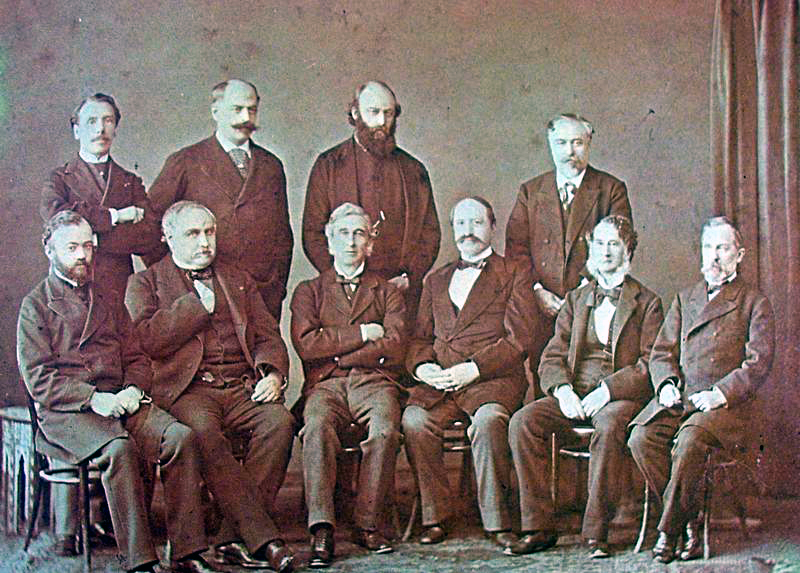


Background
International concern about communal violence, the treatment of Christian populations and the stability of Ottoman provincial rule drew the capitals of Britain, Russia, France, Germany, Austria‑Hungary and Italy into a joint diplomatic effort. The conference was intended to propose measures that would reduce violence, protect civilians, and create administrative arrangements to prevent further uprisings.
Participants and venue
Delegations met at the Shipyard Palace; the Ottoman government was invited to accept the recommended measures. Proceedings were shaped by differing strategic priorities among the powers and by disagreement over how far foreign influence should intrude on Ottoman sovereignty. Contemporary accounts of the venue and protocol are preserved in diplomatic reports and newspapers of the period.
Main proposals
- Reorganization of provincial administration to improve local governance while preserving overall Ottoman sovereignty.
- Strengthening of local law enforcement under arrangements that included international oversight or guarantees.
- Guarantees of civil and religious rights for Christian populations, and steps to ensure fairer tax and judicial procedures.
- Mechanisms for supervision or arbitration by the Great Powers to secure implementation of reforms.
Positions of the powers
Delegations presented different emphases: Russia pressed for firm protections for Slavic and Orthodox communities, Britain stressed restraint and the preservation of the Ottoman territorial framework, Austria‑Hungary highlighted Bosnian administration and regional balance, while France, Germany and Italy sought compromise solutions. These competing priorities made unanimous, enforceable decisions difficult.
Ottoman response and consequences
The Ottoman government either rejected or did not implement the conference package as proposed. The failure to reach an accepted settlement contributed to the diplomatic impasse that preceded the Russo‑Turkish War of 1877–78. The conflict and its aftermath — including the Treaty of San Stefano and the subsequent revision at the Congress of Berlin — reshaped the map and international arrangements in the Balkans.
Significance and legacy
Although the conference proposals were not carried out in full, the Constantinople Conference illustrates late‑19th century Great Power diplomacy over the "Eastern Question," and the limits of multilateral reform when strategic interests diverge. Its proposals informed later debates about minority rights, international guarantees, and the administrative remedies applied in troubled provinces.
For further reading and source material consult collections of diplomatic correspondence, parliamentary papers and specialist histories of the Balkans and the Ottoman Empire. Representative starting points include national archives and annotated document collections on the conference, contemporary press accounts and diplomatic reports, and modern scholarly surveys that place the conference in context.
Selected contemporary summaries and later analyses can be found in edited primary sources and in overviews of Great Power diplomacy during the period; see also material indexed by major research libraries and specialist bibliographies on 19th‑century diplomacy and archival guides to Ottoman records.
For multilingual and regional studies consult collections held in the capitals that participated in the conference, which include printed memoranda and minutes preserved in foreign office archives and published compilations. Additional bibliographic guides and introductory essays are available from university and research portals covering Balkan history and Ottoman reform movements more broadly.
Readers seeking primary texts or diplomatic correspondence may consult reproduced documents in specialist editions and digital repositories indexed by national libraries and academic projects that collect 19th‑century diplomatic records. Introductory overviews and annotated chronologies can help place conference proposals in the sequence of events leading to the 1877–78 war and subsequent settlements.
Questions and answers
Q: What was the Constantinople Conference?
A: The Constantinople Conference was a meeting of the Great Powers held in Istanbul from December 1876 to January 1877.
Q: Who were the Great Powers that attended the Constantinople Conference?
A: The Great Powers that attended the Constantinople Conference were Britain, Russia, France, Germany, Austria-Hungary, and Italy.
Q: Why was the Constantinople Conference held?
A: The Constantinople Conference was held in response to the Herzegovinian Rebellion and Bulgarian Uprising in the Ottoman territories with a majority Bulgarian population.
Q: What was the purpose of the Constantinople Conference?
A: The purpose of the Constantinople Conference was to agree on a project for political reforms both in Bosnia and in the Ottoman territories with a majority Bulgarian population.
Q: When was the Constantinople Conference held?
A: The Constantinople Conference was held from 23 December 1876 until 20 January 1877.
Q: What is another name for the Constantinople Conference?
A: Another name for the Constantinople Conference is the ‘Shipyard Palace Conference’, named after the conference venue.
Q: Who started the Herzegovinian Rebellion and Bulgarian Uprising that led to the Constantinople Conference?
A: The Herzegovinian Rebellion was started in 1875 and the Bulgarian Uprising in April 1876. The rebellions were started by the local populations in the Ottoman territories with a majority Bulgarian population.
Related articles
Author
AlegsaOnline.com Constantinople Conference (1876–77): Great Power proposals for Ottoman reforms Leandro Alegsa
URL: https://en.alegsaonline.com/art/22651
Sources
- books.google.com : Fifty Years in Constantinople and Recollections of Robert College.