
Constable: role, history, and variations in law enforcement and public office
An overview of the constable: origin of the term, historical development, contemporary roles across jurisdictions, and how the office differs from related positions such as sheriffs or marshals.
A constable is a public official whose duties most commonly relate to maintaining public order and enforcing the law, though the exact meaning differs widely by time and place. The word traces back to a Latin phrase, comes stabuli, literally a companion or count of the stables. In its earliest use the title designated the person responsible for the horses of a feudal lord or monarch, a role that later became associated with senior military and household authority.
Image gallery
3 Images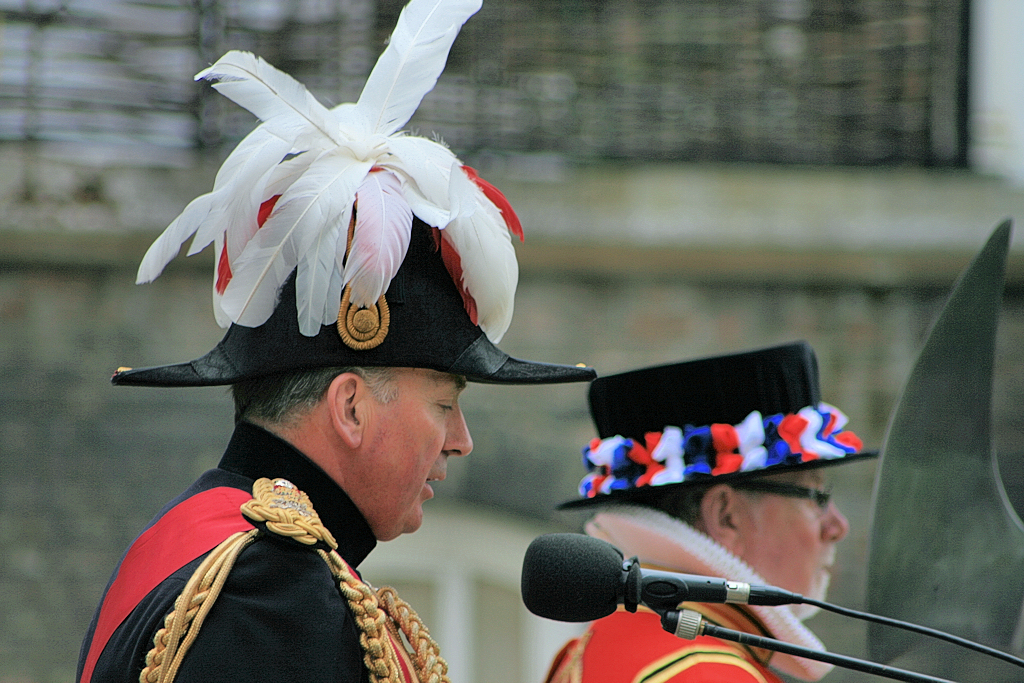


Overview of modern usage
Today the term 'constable' most often appears in the context of law enforcement. In many countries a constable is an operational police officer; in others it denotes a civic or judicial officer with limited or specialized powers. The office has persisted in various forms across the Europe and in jurisdictions influenced by British institutions, and it also appears with distinctive meanings in places such as the United States and the Channel Islands.
Roles and responsibilities
Because constables serve under different systems, their practical responsibilities vary. Typical duties include:
- General policing tasks — patrol, crime response and community engagement in jurisdictions where a constable is a frontline law enforcement officer.
- Serving legal process — delivering summonses, executing warrants or assisting courts where constables act as judicial or process officers.
- Civil functions — carrying out statutory duties at a parish or municipal level, especially in places with elected constables.
- Specialized or ceremonial roles — historical titles retained for tradition or symbolic office rather than day-to-day policing.
In some systems a constable’s remit is narrower than that of a sheriff or other county-level official; in others the constable is the basic rank within a uniformed police force.
Origins and historical development
The office developed from household and military arrangements in early medieval administrations. From the original stable-master function, the constable evolved in many late medieval monarchies into a high military or court office, charged with organizing armies and administering justice. In some states the title reached great prominence — for example, the historic Constable of France was among the kingdom’s highest officers. Elsewhere, the role became attached to local defence: a castle’s commander or governor was often called a constable and charged with the stronghold’s safety and garrisoning, a continuity echoed in ceremonial posts such as the Constable of the Tower (a prominent fortress that served military and administrative functions and may be described generically as a castle).
Variations between jurisdictions
The modern footprint of the constable differs markedly by country. In the United Kingdom and many parts of the Commonwealth of Nations, 'constable' commonly denotes the lowest rank of police officer and also carries the legal authority to make arrests and preserve order. In the United States, however, a constable is often an elected peace officer with duties that can be limited to serving civil process or providing courtroom security; the specifics depend on state law and local custom. On the Channel Islands, by contrast, the constable is an elected community official who represents a parish in local government as well as overseeing certain public responsibilities.
Related offices and notable distinctions
The constable parallels other historic offices that began as stable or household roles. For example, the title 'marshal' shares a similar etymology (linked to tending horses) and in many medieval hierarchies became a senior military or judicial figure. The modern constable therefore occupies a spectrum from a first-line police rank to an enduring ceremonial or civic post. Understanding any particular constable’s powers requires attention to the legal and administrative context in which the office exists.
In summary, 'constable' is a durable term whose meaning has shifted from stable superintendent to multifaceted public office. Its present-day significance rests on local tradition, statutory authority and the administrative arrangements of the jurisdiction in question, so that the title can imply very different responsibilities from one place to another.
Further reading and jurisdictional details may be found through official sources and legal codes that govern police and court officers: see general references on law enforcement and historical studies of medieval offices such as the comes stabuli.
Questions and answers
Q: What is a constable?
A: A constable is a person who performs a certain job, most commonly in law enforcement.
Q: Where does the word constable come from?
A: The word constable comes from the Latin, comes stabuli, count of the stables. It originated in the Eastern Roman Empire and originally referred to someone who kept horses for a lord or monarch.
Q: How has the role of constables changed over time?
A: In many countries, the title of constable became associated with high military rank and great officer of State such as Constable of France. In modern times, they are usually law enforcement officers with varying levels of power depending on their jurisdiction.
Q: What is the lowest rank for police officers in some countries?
A: In the United Kingdom, Commonwealth nations and some European countries, a constable is typically considered to be the lowest rank for police officers.
Q: How do US Constables differ from other jurisdictions?
A: In the United States, Constables are usually elected peace officers with less powers than sheriffs. However, in Channel Islands they are elected office-holders at parish level.
Q: Are there any historical roles related to being a Constable?
A: Historically there have been positions similar to that of Constable such as Marshal which was derived from Old High German marah "horse" and schalh "servant", meaning stable keeper - this has similar etymology to Constable - as well as someone responsible for defending castles; even today there is still an appointed Constable at Tower of London.
Related articles
Author
AlegsaOnline.com Constable: role, history, and variations in law enforcement and public office Leandro Alegsa
URL: https://en.alegsaonline.com/art/22634
Sources
- britannica.com : Constable
- germazope.uni-trier.de : Online-Version