
Aldus Manutius: Venetian Humanist Printer and Founder of the Aldine Press
Aldus Manutius (c.1452–1515), Venetian humanist and founder of the Aldine Press, published critical editions of Greek and Latin classics, introduced portable formats and italic type, and influenced modern typography.
Overview
Aldus Pius Manutius (c. 1452 – February 6, 1515) was a Venetian humanist, scholar and pioneering printer who established the Aldine Press in 1494. Working during the Italian Renaissance, he set out to produce reliable editions of classical Greek and Latin authors and to make those texts more widely available to scholars and readers. His press in Venice became renowned for the quality of its typography, careful editing, and distinctive imprint.
Image gallery
9 Images


Key innovations and characteristics
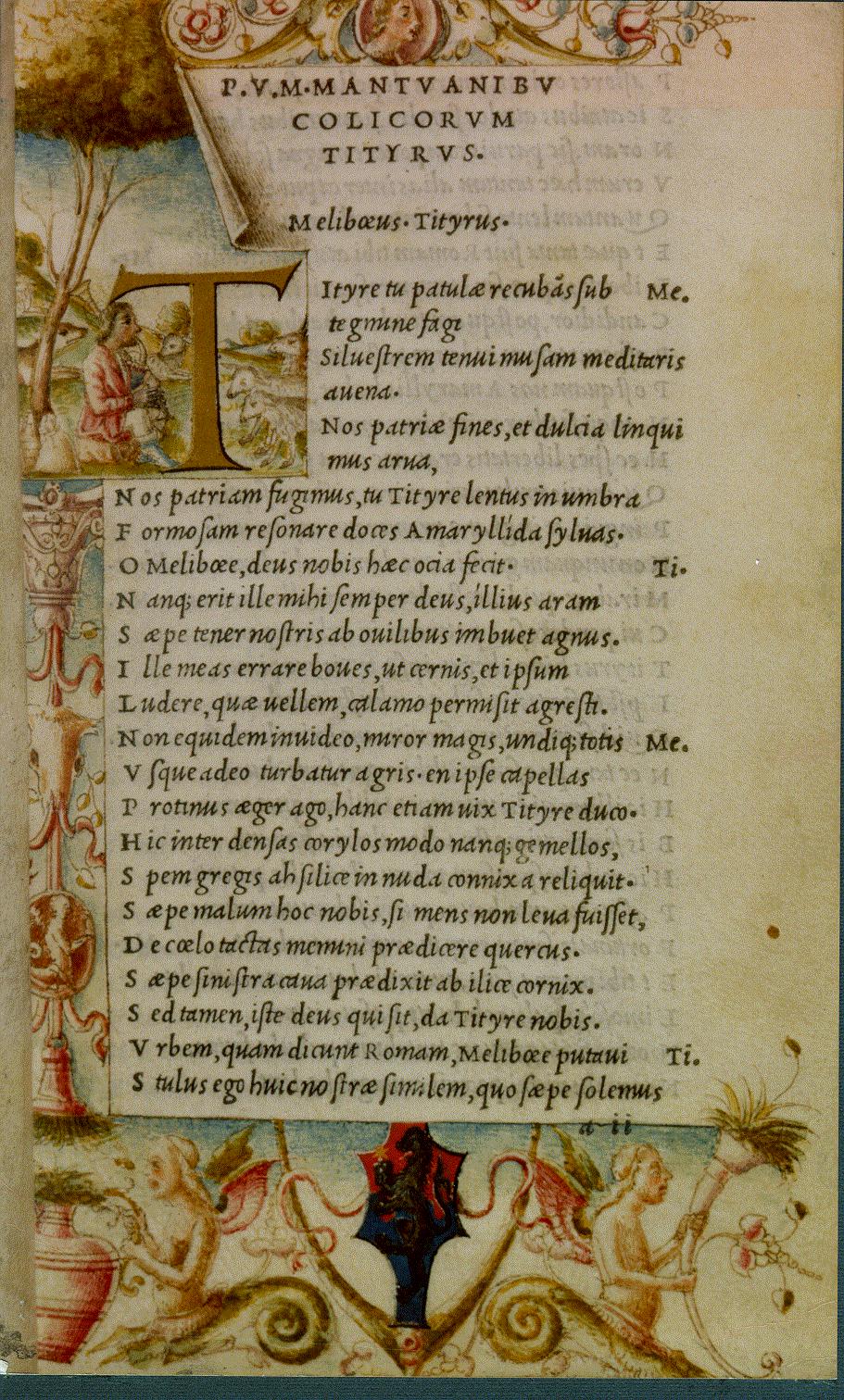
- Portable formats: Aldus popularized smaller, easy-to-carry editions—often octavo-sized—that reduced cost and increased accessibility compared with large folios.
- Italic type: He employed the punchcutter Francesco Griffo to develop an italic face that imitated contemporary humanist handwriting; this condensed style allowed more text per page and later influenced modern italic type.
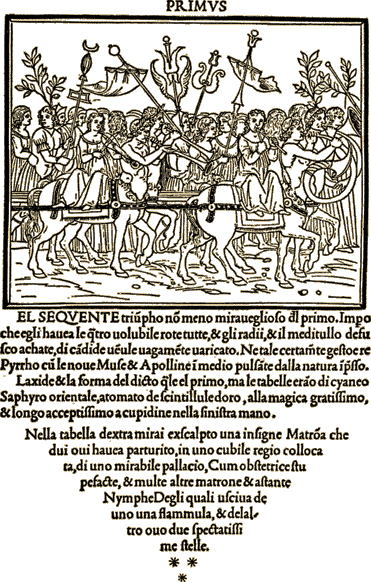
- Scholarly editions: The Aldine Press aimed to produce accurate texts of classical writers, printing works in Greek as well as Latin and supplying editorial notes, colophons and bibliographic information.
- Printer’s device: The press used the well-known anchor-and-dolphin emblem with the motto “Festina lente” (make haste slowly), which became a recognizable mark of Aldine editions.
History and working methods
Aldus was part of a circle of humanist scholars who sought to recover classical literature and present it in reliable form. From his Venice workshop he commissioned type, prepared careful copies of manuscripts, and collaborated with editors and readers to improve texts. The Aldine Press issued editions of many Greek and Latin authors and is often credited with raising standards of textual scholarship in Renaissance printing. The firm continued under his heirs after his death in 1515.
Significance and legacy
The practical innovations introduced by Aldus—compact formats, refined typography and attention to textual accuracy—helped transform how books were produced and used. Aldine editions increased the portability of learning, contributed to the spread of classical learning across Europe, and left a lasting imprint on typographic practice. Collectors and scholars still prize early Aldine books for their historical importance and printing quality.
Notable aspects and distinctions
Besides publishing many classical works in their original languages, the Aldine Press is known for its role in printing Greek script on the European press and for establishing editorial conventions that influenced later publishers. Aldus’s activity belongs to the broader cultural movement of the Italian Renaissance, in which rediscovery and dissemination of ancient texts supported new developments in learning, literature and the visual arts.
Questions and answers
Q: Who is Aldus Manutius?
A: Aldus Pius Manutius was a person who printed books in Venice, Italy during the Italian Renaissance.
Q: What did Aldus Manutius do?
A: Aldus Manutius started a company to print books called the Aldine Press in 1494. He was one of the first people to use modern printing ideas.
Q: Where was Aldus Manutius from?
A: It is not mentioned where Aldus Manutius originated from.
Q: When did Aldus Manutius start the Aldine Press?
A: Aldus Manutius started the Aldine Press in 1494.
Q: What kind of books did Aldus Manutius print?
A: Aldus Manutius printed small books that were easy to carry.
Q: Why was Aldus Manutius significant?
A: Aldus Manutius was significant because he was one of the first people to use modern printing ideas, and he also printed small books that were easy to carry.
Q: Did Aldus Manutius print books in any other cities besides Venice?
A: It is not mentioned whether Aldus Manutius printed books in any other cities besides Venice.
Related articles
Author
AlegsaOnline.com Aldus Manutius: Venetian Humanist Printer and Founder of the Aldine Press Leandro Alegsa
URL: https://en.alegsaonline.com/art/2240
Sources
- archive.org : "Manutius"