
Compsognathus — a small Late Jurassic theropod
Compsognathus was a small bipedal carnivorous theropod from Late Jurassic Europe, known from two nearly complete specimens that preserve stomach contents and illuminate small-theropod anatomy and behavior.
Overview
Compsognathus is a genus of small bipedal carnivorous theropod dinosaur that lived in what is now Europe during the Late Jurassic. First discovered in the 19th century, it became one of the best-known small dinosaur genera because of unusually complete preservation in fine-grained limestone deposits. The animal is often cited in discussions of theropod diversity, ecology, and the early stages of features that later appear in birds.
Image gallery
10 Images





Physical characteristics
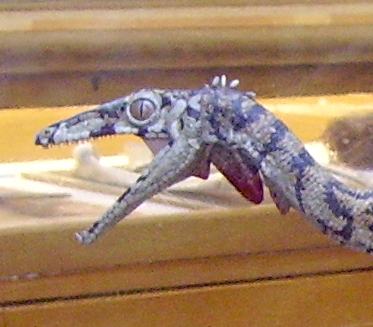
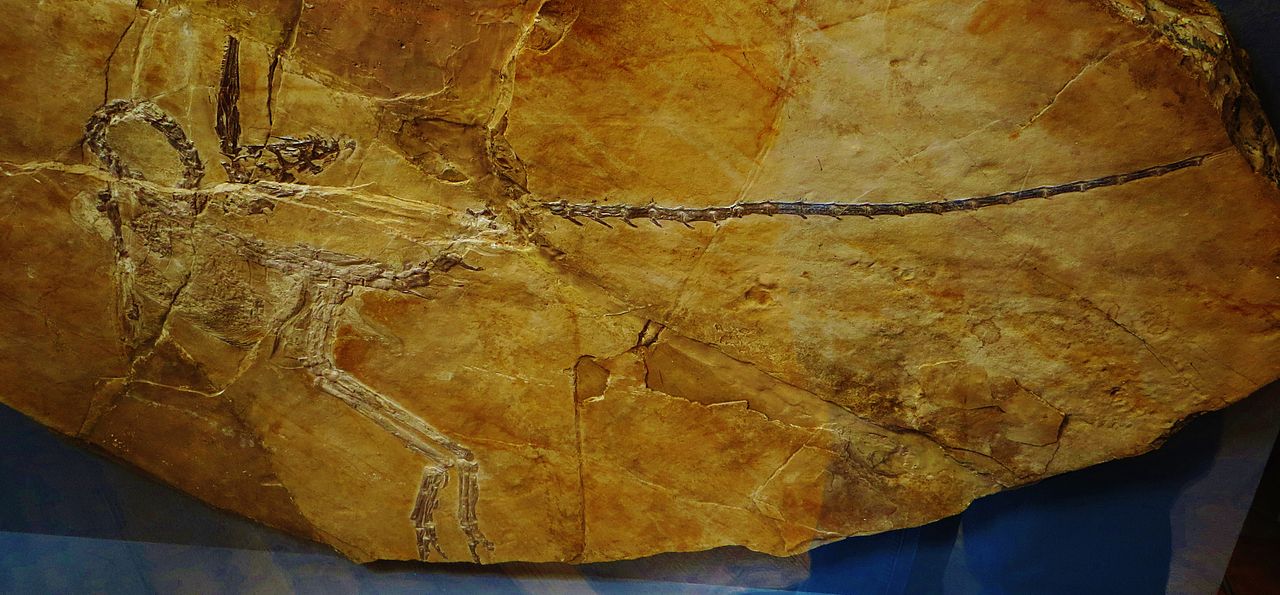
Compsognathus had a lightly built, agile body well adapted for running. Known specimens indicate a slender skull with recurved teeth, long hind limbs, a long counterbalancing tail, and relatively short forelimbs with grasping digits. Individual size estimates vary between specimens, and paleontologists emphasize caution when comparing lengths because preservation and growth stage affect measurements. Overall, its anatomy is consistent with a small active predator specialized for catching small vertebrate prey.
Fossils and discovery
The genus is primarily known from two nearly complete skeletons recovered from separate Late Jurassic marine‑influenced sediments. The first and historically important specimen was found in the fine-grained Solnhofen limestone of Bavaria in Germany, a deposit celebrated for its exceptional preservation of delicate structures. The second specimen came from a limestone exposure near Nice in southeastern France and was at one time given a distinct species name; later study has typically regarded it as part of the same genus and likely the same species as the German material. Both localities preserve fauna and flora from coastal lagoons and shallow marine environments, and their stratigraphic context places Compsognathus in the Late Jurassic (a geological interval often approximated at around 150 million years ago).
Diet and behavior
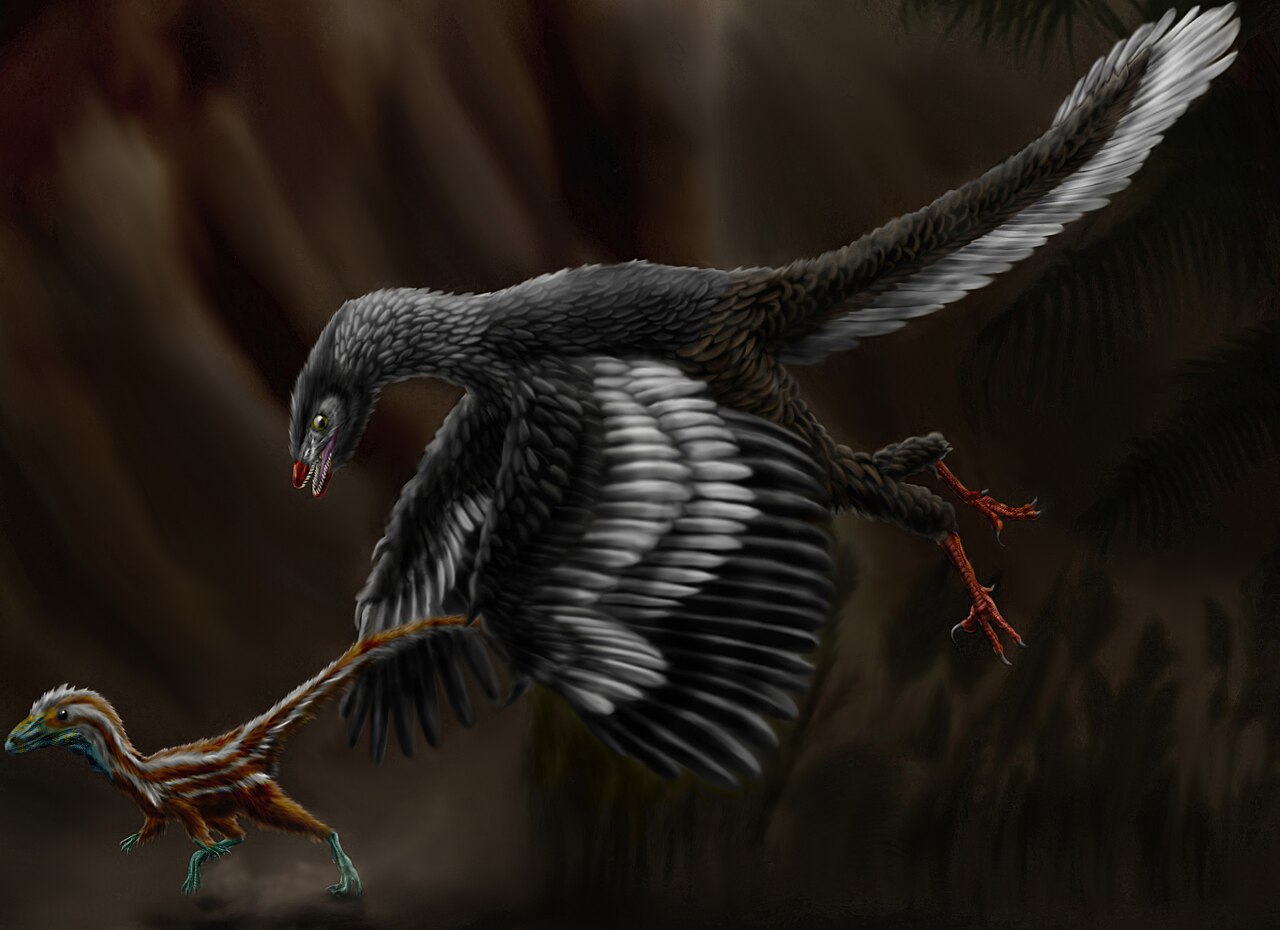
Compsognathus is among the few dinosaurs with direct stomach‑content evidence. In both key specimens the abdominal region contains the partly digested remains of small, lizard-like animals, showing that it fed on small vertebrates such as lizards. These preserved gut contents provide concrete support for a carnivorous diet and imply active predation or opportunistic foraging in nearshore or terrestrial margins. Combined with limb proportions and tail morphology, these data suggest a cursorial lifestyle with quick, agile movements to capture prey.
Classification and evolutionary context
Compsognathus is classically placed in the family Compsognathidae, among small coelurosaurian theropods. Its small size, light build, and some skeletal features have made it a reference point in discussions about the diversity of small predatory dinosaurs and the evolution of bird-like traits. While Compsognathus itself is not considered ancestral to birds, its anatomy contributes to broader comparative studies that trace how certain features—such as limb proportions and aspects of the skeleton—vary among small theropods.
Scientific importance and continuing research
Because of its early discovery and unusually complete material, Compsognathus has played a useful role in paleontological history. Its fossils illustrate how fine-grained carbonate deposits can preserve anatomical detail, including diet evidence, and they continue to be referenced in faunal lists and museum catalogues. Ongoing study refines age estimates and stratigraphic correlations; for discussions of timing and context see sources that summarize the geological age and sedimentary settings of these localities. Comparative work with other Late Jurassic faunas helps place Compsognathus in regional ecosystems and in analyses of small theropod diversity.
Cultural significance and resources
Compsognathus has appeared in popular accounts of dinosaurs as an example of small, nimble predators and has been used to illustrate the idea that dinosaurs occupied a wide range of body sizes and ecological roles. For further reading, reputable museum publications, peer‑reviewed papers, and specialist monographs provide detailed descriptions of the primary specimens and their catalogue numbers. Regional geological guides to the Portland limestone and the Solnhofen limestones discuss the environmental settings that favored exceptional fossil preservation.
- Key specimens: near-complete fossils from Germany and France, recovered from fine limestones.
- Dietary evidence: preserved remains of small vertebrate prey, including identifiable lizards, in the abdominal region.
- Age and setting: Late Jurassic deposits, with stratigraphic work placing the specimens in a coastal to lagoonal context; see summaries of Late Jurassic faunas and local Nice area stratigraphy for details.
- Research notes: ongoing study addresses size variation, taxonomy of the French specimen, and broader comparisons among small coelurosaurian theropods.
Readers seeking specimen photographs, museum catalogue entries, or detailed measurements should consult institutional collections and specialist literature referenced in museum and academic resources identified by catalogue numbers and locality data. These primary sources provide the most reliable and specific information for further scientific or educational use.
Questions and answers
Q: What is Compsognathus?
A: Compsognathus was a small carnivorous theropod dinosaur.
Q: When did Compsognathus exist?
A: Compsognathus existed at the end of the Jurassic period, 144 million years ago.
Q: How long was Compsognathus?
A: Compsognathus was about a meter long.
Q: How did Compsognathus move?
A: Compsognathus ran on two legs, using its long tail to keep its balance.
Q: Where were the two nearly complete specimens of Compsognathus found?
A: One specimen was found in Germany and another in France.
Q: What was Compsognathus' diet?
A: Compsognathus' diet consisted of small, agile lizards, which were found in the bellies of both specimens.
Q: Was Compsognathus the smallest dinosaur on earth?
A: Yes, Compsognathus was once the smallest dinosaur on earth, but now that title belongs to the Micropachycephalosaurus.
Related articles
Author
AlegsaOnline.com Compsognathus — a small Late Jurassic theropod Leandro Alegsa
URL: https://en.alegsaonline.com/art/22285
Sources
- bioone.org : "A reconsideration of Compsognathus from the Upper Tithonian Of Canjuers, Southeastern France"
- doi.org : 10.1671/0272-4634(2006)26[879:AROCFT]2.0.CO;2
- ui.adsabs.harvard.edu : 1998Natur.391..147C
- doi.org : 10.1038/34356