
Companion dog
A companion dog is kept primarily for friendship and emotional support rather than for work; this article explains characteristics, differences from service dogs, benefits, history, and practical considerations.
A companion dog is a pet kept chiefly for company, emotional connection, and the day-to-day enjoyment of living with people. Unlike working canines, companion dogs are not required to perform trained tasks as their main role; their value comes from social interaction, affection, and the routine responsibilities of care. Owners may seek companion dogs for themselves, for families, or to provide non-clinical emotional support.
Image gallery
9 Images

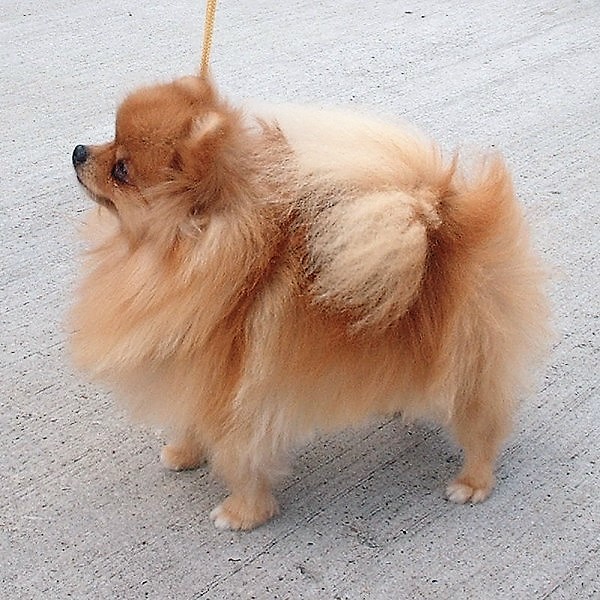


Characteristics and typical traits
Companion dogs vary widely in size, temperament, and grooming needs. Important traits typically include sociability with people, adaptability to home life, and a temperament suited to the owner's lifestyle. While many companions learn basic obedience and household manners, specialized skills are not mandatory. Responsible ownership emphasizes socialization, regular veterinary care, and training that promotes safe and polite behavior.
How companion dogs differ from service animals
There is an important legal and functional distinction between companion dogs and service animals. A service dog is trained to perform specific tasks that mitigate a person's disability; for example, guiding, retrieving, or alerting to medical events. Companion dogs are not task-trained in that sense. For more information on definitions and distinctions see service dog information and general guidance at companion animal resources. Individuals with disabilities who use trained animals can find additional support via appropriate resources.
Benefits and common uses
- Emotional support and reduced feelings of isolation
- Routine and structure through regular care and exercise
- Social facilitation—encouraging interactions with other people and the outdoors
- Comfort in stressful situations or during recovery from illness
Research and anecdotal reports suggest companion dogs can improve well-being, though they are not a substitute for professional medical treatment when required. Prospective owners should match a dog's energy level and care needs with their living situation and capabilities.
Choosing and caring for a companion dog
When selecting a companion, consider age, breed tendencies, size, and the dog's history. Adoption from shelters and rescues is a common route. Training focused on basic obedience, socialization with people and other animals, and preventive healthcare will help the partnership succeed. If legal or housing questions arise about animal status, consult local regulations or professional advisors rather than assuming a companion dog has the same rights as a service animal.
Questions and answers
Q: What is a companion dog?
A: A companion dog is a type of dog whose main job is to keep people company.
Q: Is it necessary for a companion dog to be trained to perform specific tasks?
A: No, it is not necessary for a companion dog to be trained to perform any specific task.
Q: What is the main service provided by a companion dog?
A: The main service provided by a companion dog is to provide companionship.
Q: What is a service dog?
A: A service dog is a type of dog that is trained to perform a specific task for a disabled handler.
Q: Is a companion dog also a service dog?
A: No, a companion dog is not a service dog. This is because a companion dog is not trained to perform any specific task.
Q: Can a service dog also provide companionship?
A: Yes, a service dog can also provide companionship, but its main job is to perform a specific task for a disabled handler.
Q: What is the difference between a companion dog and a service dog?
A: The main difference between a companion dog and a service dog is that a companion dog is trained to provide companionship, while a service dog is trained to perform a specific task for a disabled handler.
Related articles
Author
AlegsaOnline.com Companion dog Leandro Alegsa
URL: https://en.alegsaonline.com/art/22207
Sources
- dogtime.com : "Companion Dogs"
- theindependencecenter.org : "Service Animal vs. Companion Animal"
- artofmanliness.com : "Choosing Man's Best Friend: A Guide to Canine Companions"
- vetstreet.com : "The 5 Best Dogs for Your Golden Years"
- commons.wikimedia.org : Companion dog