
Communes of the Indre department, France
Overview of the 247 communes in Indre: administrative role, geography, history, main towns, intercommunal cooperation and notable features of local governance and identity.
Overview
The communes of the Indre department form the basic level of local government in this central French territory. There are 247 communes in Indre, ranging from small rural villages to the prefecture, Châteauroux. Each commune is a legally constituted municipality with an elected mayor and municipal council responsible for local services, civil records and planning.
Image gallery
1 Image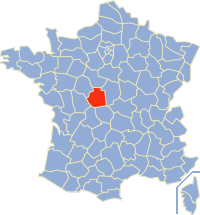
Characteristics and governance
Communes vary widely in population and area. Many are strongly rural, reflecting Indre's agricultural landscape, while a few are urban centres that concentrate services and industry. Communal authorities manage primary schools, local roads, water and sanitation in cooperation with higher administrative levels. For more detail on specific communes see the list of communes and information from the Indre department authorities.
Geography and regional context
Indre lies in central France and its communes are organised within arrondissements and cantons that group them for administrative purposes. Landscapes include river valleys, bocage, and the lakes and wetlands of the Brenne regional natural park, which affect settlement patterns and local economies. The department is part of the national administrative division known as a département; more about the administrative category is available via this département overview.
History and development
The present communal map developed from historical parishes and feudal parishes, stabilising after the French Revolution when communes were established as the basic republican units. Over time, changes in population and public policy have led to cooperative arrangements among communes rather than widespread mergers, preserving local identity while pooling services.
Cooperation, notable communes and importance
To manage services efficiently many communes belong to intercommunal structures (communautés de communes or communautés d'agglomération) that plan economic development, waste management and transport. Notable towns include Châteauroux (the prefecture), Issoudun, La Châtre, Le Blanc and Argenton-sur-Creuse, which serve as local administrative and commercial centres. The communal network shapes cultural life, local festivals and heritage preservation across the department.
Further information
- Administrative lists and maps: complete list of communes
- Departmental services and contacts: Indre department
- Context on the French département system: département
- National context and statistics: France
Questions and answers
Q: How many communes are there in the Indre department in France?
A: There are a total of 247 communes in the Indre department in France.
Q: What is a commune in France?
A: In France, a commune is the smallest administrative division, similar to a township or municipality.
Q: What is the Indre department in France?
A: The Indre department is a region in central France, located in the Centre-Val de Loire region.
Q: Are there any major cities in the Indre department in France?
A: The Indre department does not have any major or large cities, but it has a few towns and small cities.
Q: What is the significance of listing the communes of the Indre department in France?
A: Listing the communes of the Indre department in France helps to provide important information and data about the administrative makeup and geography of the region.
Q: Is the number of communes in the Indre department fixed, or can it change?
A: The number of communes in the Indre department can change, particularly due to administrative reforms or mergers.
Q: What is the purpose of an administrative division like a commune?
A: An administrative division like a commune helps to provide government services and infrastructure at a local level, as well as to facilitate local decision-making and representation.
Related articles
Author
AlegsaOnline.com Communes of the Indre department, France Leandro Alegsa
URL: https://en.alegsaonline.com/art/22109