
Communes of Hérault, France: overview, structure and notable places
An encyclopedic overview of the 343 communes of the Hérault department in southern France: their role, characteristics, history, notable examples and administrative context.
The Hérault department in southern France contains 343 communes, the smallest units of local government in the French administrative system. Communes range from large urban centers to tiny rural villages and together form the basic framework for local democracy, service delivery and community identity. For a simple index, see the list of communes.
Image gallery
1 Image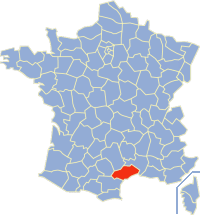
What a commune is
A commune is the lowest tier of public administration in France and is led by a mayor and municipal council. Its responsibilities typically include local planning, primary schools, civil registration, local roads and some social services. Communes vary widely in population, geographic area and fiscal capacity; in Hérault they include both densely populated cities and sparsely inhabited hamlets.
Geography and notable communes
Hérault lies on the Mediterranean coast in the Occitanie region and includes coastal towns, inland plains and mountainous areas. Its prefecture and largest city is Montpellier, an important economic and university center. Other prominent communes include Béziers and Sète, each with distinct maritime, cultural and historical identities. Many communes have strong links to viticulture, tourism and maritime industries that shape local economies.
History and administrative context
The modern network of communes dates to the French Revolution, when parishes and local communities were reconstituted as uniform municipal units. Over time, communes in Hérault have cooperated through intercommunal structures to share services and plan development at a larger scale. These cooperative bodies help small communes pool resources while preserving local autonomy.
Usage, importance and distinctions
Communes are the visible face of government for residents: they issue identity documents, organize elections, maintain public spaces and promote local culture. The diversity of Hérault’s communes — from wine-producing villages to coastal resorts and university towns — makes them central to regional planning and heritage conservation. For departmental information see the Hérault page and for national context see the general department explanation: Hérault, département and France.
- Count: 343 communes in Hérault.
- Range: metropolitan cities to small communes with few inhabitants.
- Cooperation: intercommunal bodies handle regional services and planning.
Understanding the communes of Hérault helps explain local governance, territorial identity and how services are organized across a varied landscape on France’s Mediterranean coast.
Questions and answers
Q: What is the Hérault department?
A: The Hérault department is a French administrative division.
Q: How many communes are there in the Hérault department?
A: There are 343 communes in the Hérault department.
Q: What is a commune?
A: A commune is the smallest administrative division in France.
Q: What is the purpose of a commune?
A: The purpose of a commune is to provide local government and services to its residents.
Q: What types of services do communes provide?
A: Communes are responsible for providing services such as waste management, schools, local roads, and social services.
Q: How are communes governed?
A: Communes are governed by a mayor and a council of elected officials.
Q: What is the significance of the list of communes in the Hérault department?
A: The list of communes in the Hérault department provides a comprehensive overview of the local administrative division and can be useful for reference and research purposes.
Related articles
Author
AlegsaOnline.com Communes of Hérault, France: overview, structure and notable places Leandro Alegsa
URL: https://en.alegsaonline.com/art/22107