
Commonwealth of the Philippines (1935–1946)
Semi‑autonomous Filipino government established under U.S. law in 1935, led by President Manuel L. Quezon, interrupted by Japanese occupation, and succeeded by full independence in 1946.
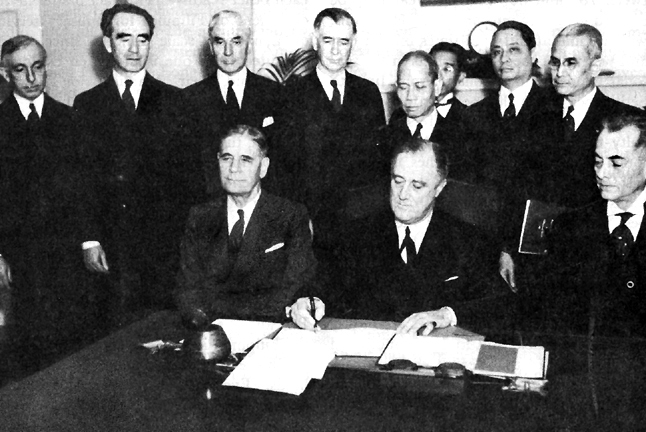
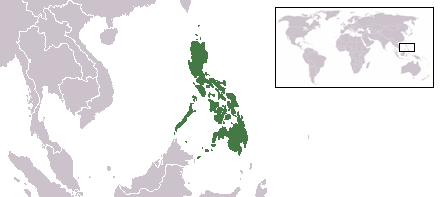
The Commonwealth of the Philippines was a transitional political entity that governed the Philippines from 1935 until 1946. Created by the U.S. Congress through the Tydings–McDuffie Act, it was intended to prepare the islands for full independence. In Philippine languages the polity was commonly called Commonwealth de Filipinas in Spanish and Komonwelt ng Pilipinas in Tagalog. Though nominally autonomous, the Commonwealth remained closely linked to the United States in defense, finance, and foreign affairs during its existence.
Image gallery
10 Images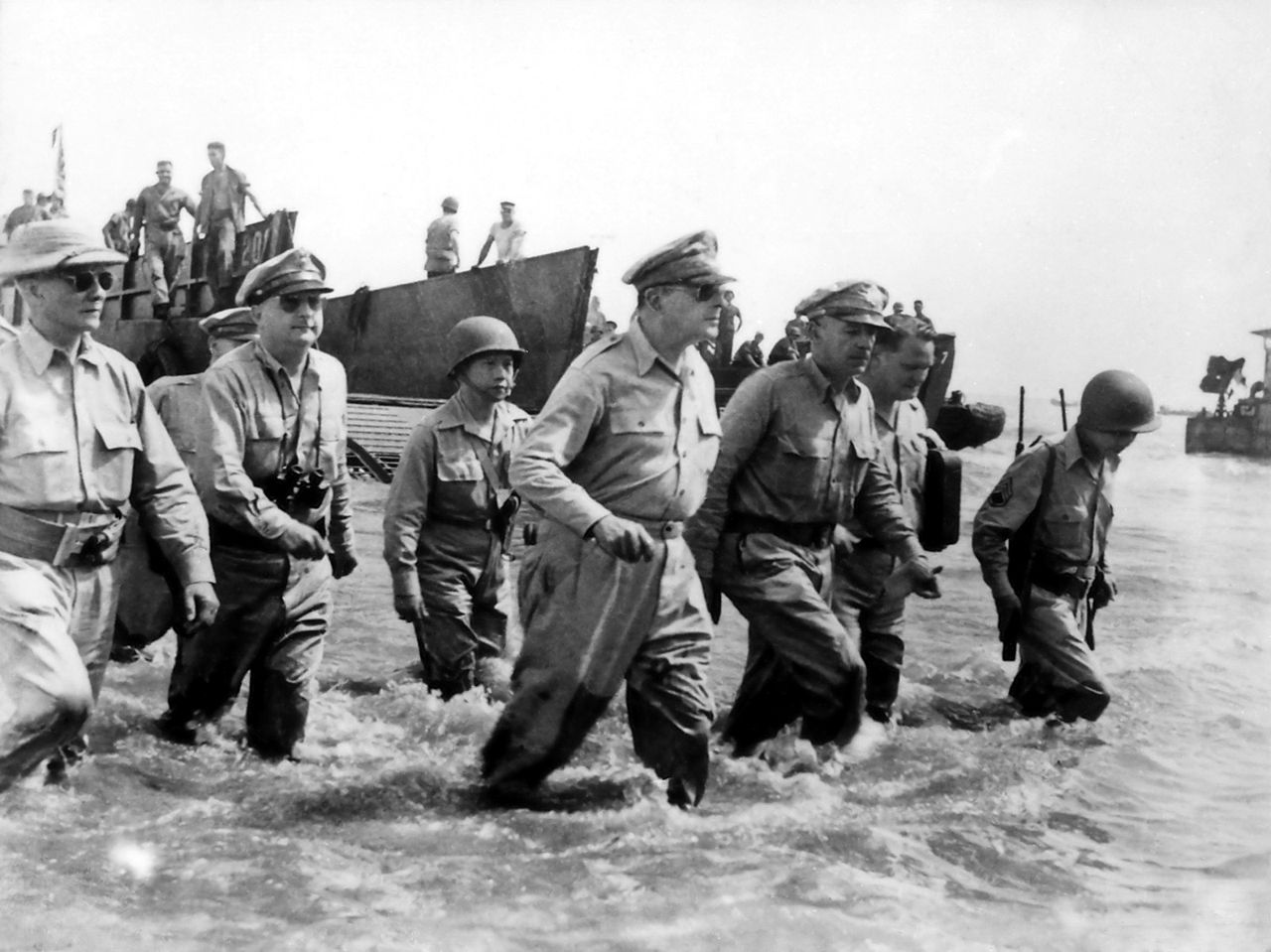



Government and institutions
The Commonwealth operated under a constitution that established an executive president, a judiciary led by a Supreme Court, and a legislature. Manuel L. Quezon was elected the first president in 1935 and led efforts to build civil institutions, a national bureaucracy, and public services. Initially the lawmaking body was a single National Assembly, dominated by the Nacionalista Party; constitutional amendments and political developments later restored a bicameral Congress with a Senate and House of Representatives.
Key policies and social changes
During the Commonwealth period the government pursued policies to strengthen administration, promote economic development, and define national identity. In 1937 a national language commission selected Tagalog as the basis for a national language, a decision promoted by leaders based in Manila. The Commonwealth also expanded political participation: women gained the right to vote after a 1937 plebiscite. The economy remained largely agricultural, but planners emphasized infrastructure, education, and public health to modernize society.
War, occupation, and restoration
The planned transition to independence was disrupted by World War II. Japanese forces occupied the islands from 1942 to 1945; the Commonwealth government evacuated and operated in exile for part of the war. During the occupation a Japanese-sponsored regime was installed, while Filipino and American forces, together with guerrilla movements, resisted. After liberation by Allied forces the Commonwealth government was restored on the islands and resumed preparations for sovereignty.
End of the Commonwealth and legacy
The Commonwealth formally ended when full independence was granted in 1946, marking the start of the Third Republic of the Philippines. The Commonwealth era is remembered for its role in institution building, debates over language and national identity, and efforts to prepare public administration and the economy for self-rule. It also remains significant for how the interruption of war reshaped the political transition and postwar reconstruction.
Notable facts
- The Commonwealth was established by U.S. legislation to provide a defined path toward independence.
- Its presidency combined strong executive powers with a constitutional judiciary.
- Wartime occupation created competing claims to authority and delayed independence until 1946.
For additional context about legal foundations, political leaders, and cultural policies during this period, consult historical summaries and primary documents related to the Tydings–McDuffie Act and the 1935 Constitution. More detailed studies explore the Commonwealth's administrative reforms, its educational and language initiatives, and the complex wartime experience that shaped postwar Philippine politics.
Questions and answers
Q: What was the Commonwealth of the Philippines?
A: The Commonwealth of the Philippines was the name of the Philippines from 1935 to 1946 when it was still controlled by the United States.
Q: How was the Philippine Commonwealth created?
A: The Philippine Commonwealth had been created by the Tydings-McDuffie Act, which was approved by the U.S. Congress in 1934.
Q: Who was the first Filipino to head an elected government in the Philippines?
A: Manuel L. Quezon was the first Filipino to head an elected government in the Philippines.
Q: Who had strong control of the islands during the Philippine Commonwealth?
A: The President of the Philippine Commonwealth had strong control of the islands and was guided by a Supreme Court.
Q: Which party did most members of the law-making body come from initially?
A: Initially, most members of the law-making body, the National Assembly, came from the Nacionalista Party.
Q: What was the national language chosen by the government in 1937?
A: In 1937, the government chose Tagalog, the language of Manila, as the national language.
Q: When did the Philippine Commonwealth end?
A: The Philippine Commonwealth ended in 1946, when the Third Philippines Republic began.
Related articles
Author
AlegsaOnline.com Commonwealth of the Philippines (1935–1946) Leandro Alegsa
URL: https://en.alegsaonline.com/art/22045
Sources
- books.google.com : RR philippine almanac: book of facts 1986 edition
- books.google.com : Philippine Legislature, 100 Years
- books.google.com : The Fateful Years: Japan's Adventure in the Philippines 1941-1945
- books.google.com : History of the Filipino People
- books.google.com : Southeast Asia: a historical encyclopedia, from Angkor Wat to East Timor
- countrystudies.us : "The Commonwealth"
- countrystudies.us : Philippines: A Country Study
- countrystudies.us : "World War II"
- countrystudies.us : "Economic Relations with the United States"
- books.google.com : The Philippines, a Study in National Development
- books.google.com : Philippine History and Government
- ualberta.ca : "American Colony and Philippine Commonwealth 1901 - 1941"
- ualberta.ca : A Centennial History of Philippine Independence, 1898-1998