
Common land
Common land: areas where local people hold traditional rights (grazing, fuel, turf-cutting) over land owned by another; its history, typical rights, legal status, decline and modern management.
Overview
Common land, often called a common, is an area where members of a local community hold recognized rights to use resources on the land even though the surface may be owned by someone else. These rights are typically specific and limited, and they coexist with private ownership or manorial interests. The concept is both a practical arrangement for rural livelihoods and a legal category addressing who may use what on shared territories; see legal rights.
Image gallery
10 Images


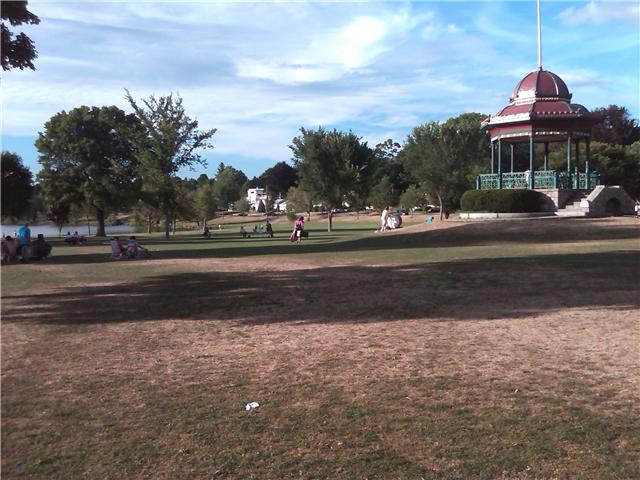
Typical rights and uses
Rights exercised on commons vary by place and custom. Some of the most widely recognised uses include:
- Grazing livestock, such as sheep or cattle, under customary rules (grazing rights).
- Gathering small amounts of wood for fuel or repairs (firewood).
- Cutting turf or peat for domestic fuel (turf cutting).
- Collecting plant materials or wildfowl in accordance with local practice (fuel and subsistence uses).
History and origins
The institution of common land has deep roots in European agrarian systems. In medieval England, for example, commons formed part of the manor: the lord might own the soil but tenants and other local inhabitants held customary privileges to use specified resources on that land. Historical accounts of this arrangement often mention the manor and its holdings as an estate and place the development of rights within the social structure of medieval England.
Decline, survival and modern status
Over centuries many commons diminished in size or were enclosed for private use. At times this process removed millions of acres from communal use, a change that reshaped rural economies and landscapes; some estimates refer to millions of acres affected. Despite that decline, commons still exist today in places such as Great Britain and the United States, where they are managed under modern statutes, voluntary associations or conservation arrangements.
Management, legal frameworks and importance
Contemporary governance of commons blends customary practice with statutory law. Many areas are registered, regulated by local authorities, protected for nature conservation, or overseen by commoners’ associations. Managing a common involves balancing the rights of individuals with ecological health and public access. In a broader sense, the term "the commons" has grown to describe shared resources—land, fisheries, the atmosphere or digital spaces—where collective stewardship and conflict resolution are central concerns. For further reading on administrative and legal aspects, see resource use and regulation.
Distinctions and notable facts
Common land differs from public land: commons confer specific user rights rather than general public ownership. A person entitled to exercise rights on a common is often called a commoner. The survival of commons demonstrates how customary property regimes can persist and adapt, contributing to biodiversity, cultural heritage and local livelihoods when managed sustainably.
Questions and answers
Q: What is common land?
A: Common land is land where local people have certain rights, such as grazing livestock, collecting firewood or cutting turf for fuel.
Q: What was the common originally used for in mediaeval England?
A: Originally, the common was part of the manor and tenants had certain rights to it.
Q: Who owned the common in mediaeval England?
A: Although the common was part of the estate owned by the lord of the manor, tenants had certain rights to it.
Q: How has the term "commons" extended over time?
A: By extension, the term "commons" has come to be applied to other resources which a community has rights or access to.
Q: What is the term "common" mainly used for today?
A: Today, the term "common" is mainly used for the land over which certain rights are exercised.
Q: What is a commoner?
A: A person who has a right to common land is a commoner.
Q: Do commons still exist today?
A: Yes, commons still exist today in Great Britain and the United States, although their extent is much reduced from the millions of acres that existed in the 17th century.
Related articles
Author
AlegsaOnline.com Common land Leandro Alegsa
URL: https://en.alegsaonline.com/art/22012
Sources
- naturalengland.org.uk : Natural England
- thefreedictionary.com : "Commoner"