
Common kestrel (Falco tinnunculus)
A widespread small falcon of the Old World, the common kestrel is known for its hovering hunting style, varied diet, and presence across Europe, Asia and Africa.
The common kestrel (Falco tinnunculus) is a small bird of prey in the falcon family and one of the best-known members of the kestrel group. Often called the Eurasian or European kestrel, it occupies a wide variety of open and semi-open habitats across Europe, large parts of Asia and much of Africa. Taxonomically it sits within the family Falconidae and is treated as a distinct species with several geographically differentiated forms.
Image gallery
10 Images




Key characteristics
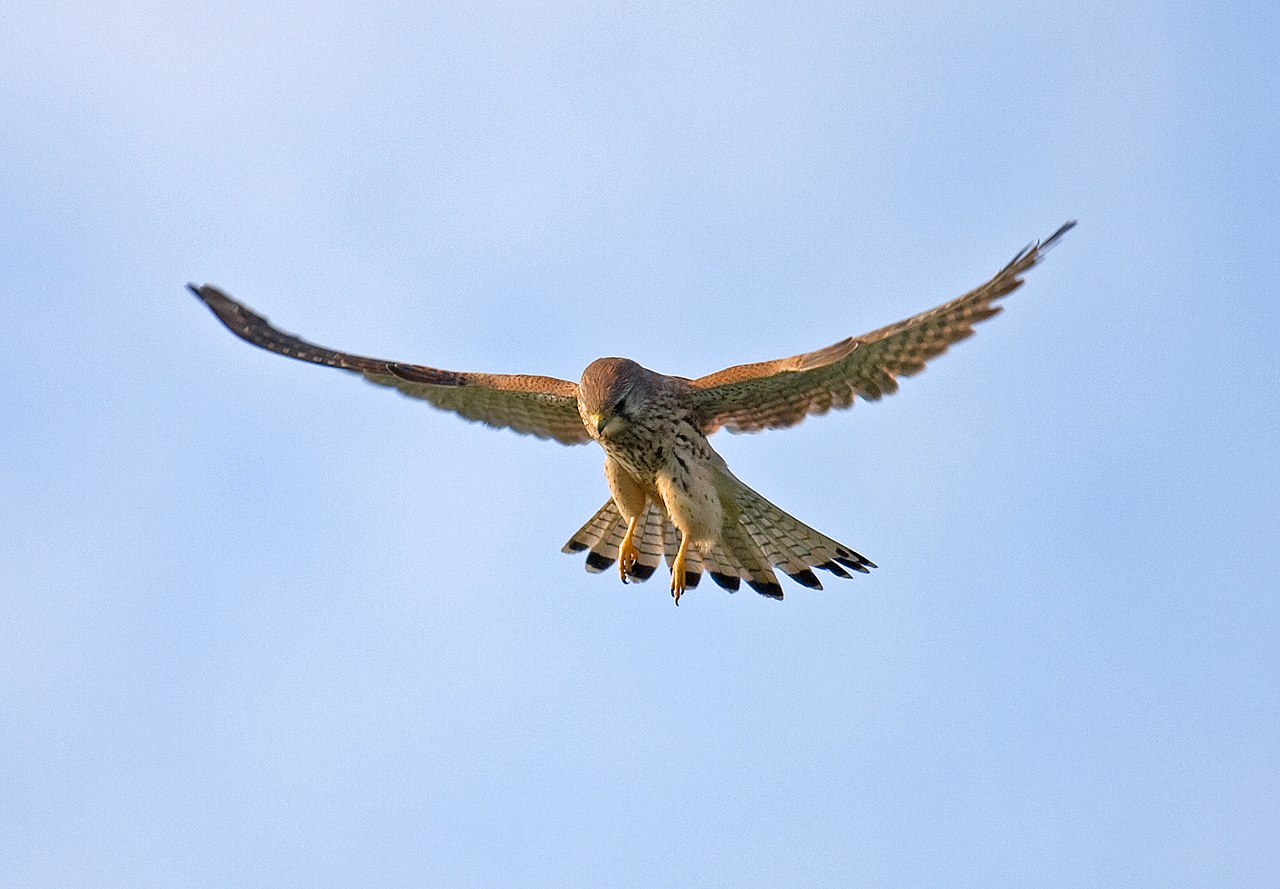
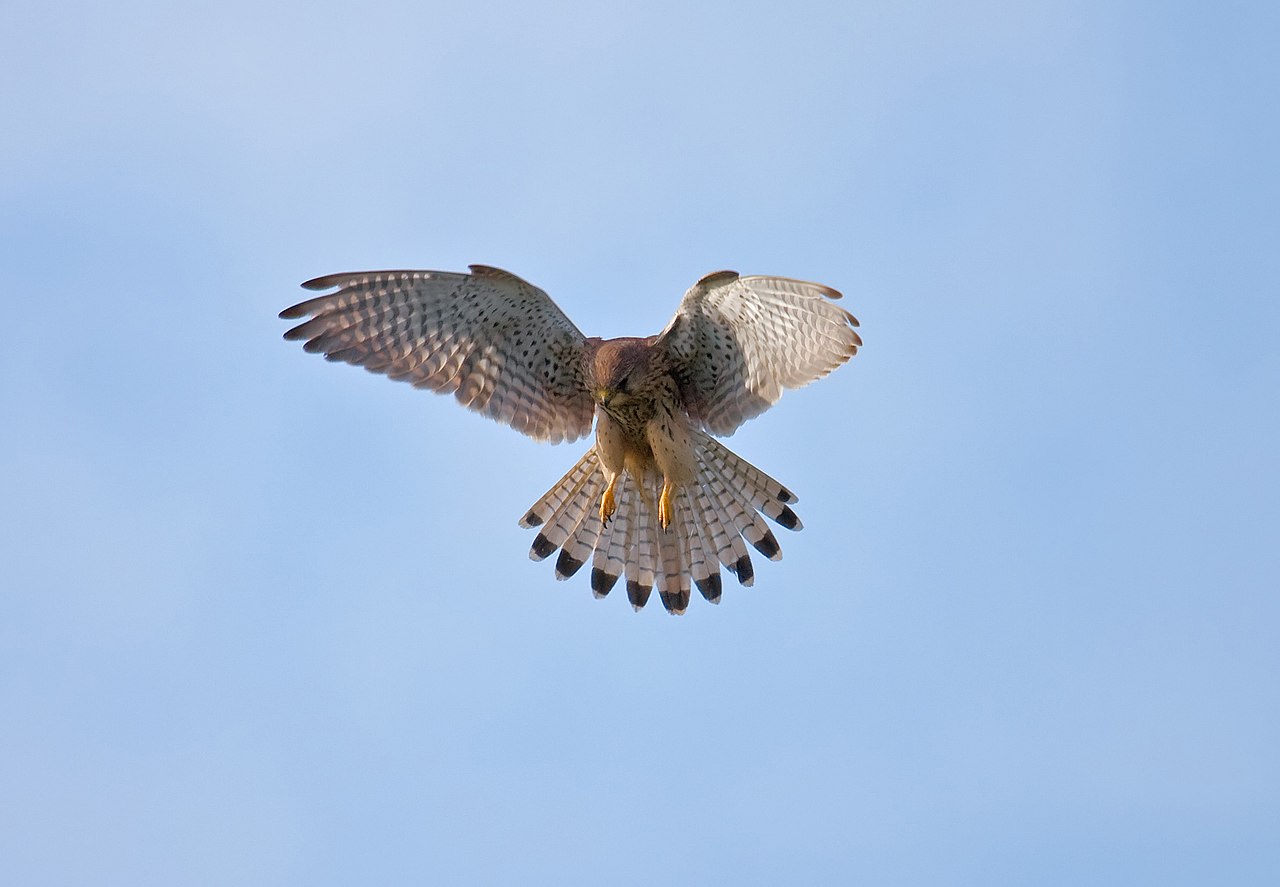
Common kestrels are medium-sized falcons with long wings and a relatively long tail. Males and females differ: males typically show greyer heads and tails with clearer rufous back markings, while females are browner and more streaked overall. Their flight is buoyant and powerful; they are especially noted for their ability to hover stationary over open ground while searching for prey, a behaviour often called "kestrel hovering." Visually acute, kestrels locate small mammals, insects and other prey from both a perch and while hovering.
Distribution and habitat
The species has a broad Old World range and tolerates many environments, including farmland, heathland, parkland, coastal cliffs and even urban areas where suitable perches and nest sites are available. Some populations are resident year-round, while birds breeding in colder regions may move to milder areas in winter. Subregional forms and subspecies reflect adaptation to local climates and landscapes.
Diet, hunting and behaviour
- Diet: primarily small mammals (such as voles and mice), large insects, and occasionally small birds and reptiles.
- Hunting methods: perch-hunting, low fast flight and the characteristic hovering to locate ground-dwelling prey.
- Social behaviour: generally solitary or in pairs, but may be seen in loose groups at rich feeding sites.
For links to general references and identification guides see identification and comparative falcon resources. For taxonomic context consult sources on Falconidae and related genera, and for regional checklists try local bird databases.
Reproduction, conservation and human interactions
Kestrels nest in cavities, cliff ledges, old buildings and nest boxes; they do not commonly build a substantial nest structure but lay a clutch of several eggs which both parents help to raise. The species is generally widespread and adaptable and is not considered globally threatened; many populations are classed as of low conservation concern, although local declines occur where habitat or prey declines are severe. The kestrel has cultural recognition in many places and, while less commonly used than larger falcons, has featured in traditional falconry practices.
For further reading on range maps, monitoring and conservation status see regional resources: European, British, Asian and African accounts.
Questions and answers
Q: What is the common kestrel?
A: The common kestrel is a bird of prey species belonging to the kestrel group of the falcon family Falconidae.
Q: What are some other names for the common kestrel?
A: The common kestrel is also known as the 'European kestrel', 'Eurasian kestrel', or 'Old World kestrel'.
Q: Where does the common kestrel live?
A: The common kestrel lives all over Europe, Asia, and Africa.
Q: What is the common name for the kestrel in Britain?
A: In Britain, where no other brown falcon occurs, it is generally just called 'the kestrel'.
Q: Is the kestrel a bird of prey?
A: Yes, the kestrel is a bird of prey.
Q: Does the kestrel belong to the falcon family?
A: Yes, the kestrel belongs to the falcon family Falconidae.
Q: What is another name for the brown falcon?
A: There is no other brown falcon that occurs in Britain.
Author
AlegsaOnline.com Common kestrel (Falco tinnunculus) Leandro Alegsa
URL: https://en.alegsaonline.com/art/22009
Sources
- commons.wikimedia.org : Falco tinnunculus · web.archive.org · web.archive.org
- web.archive.org : Facts
- web.archive.org : Status