
Common barn owl (Tyto alba): appearance, behaviour, and human links
Overview of the common barn owl (Tyto alba): taxonomy, appearance, habitat, diet, breeding, conservation and its role near farms and woodlands.
Overview
The common barn owl (Tyto alba) is a medium-sized owl notable for its pale, heart-shaped face and broad global range. It belongs to the barn-owl family, Tytonidae, and is placed in the genus Tyto. Because of its cosmopolitan distribution it has accrued many local common names; this variability in common names is one reason scientific names were developed by naturalists such as Linnaeus to avoid confusion.
Image gallery
10 Images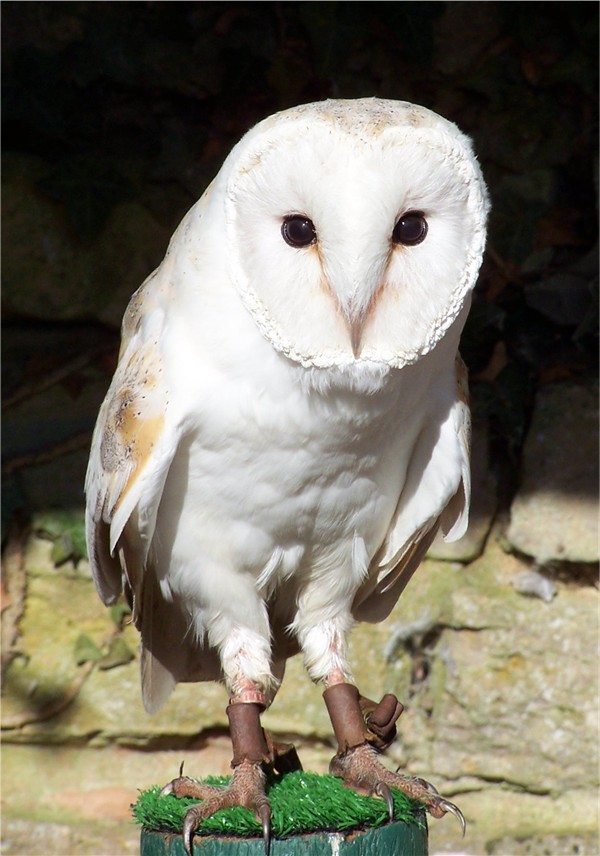




Identification and physical traits
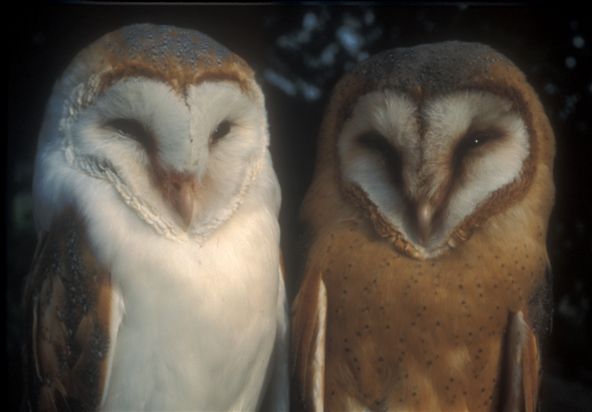
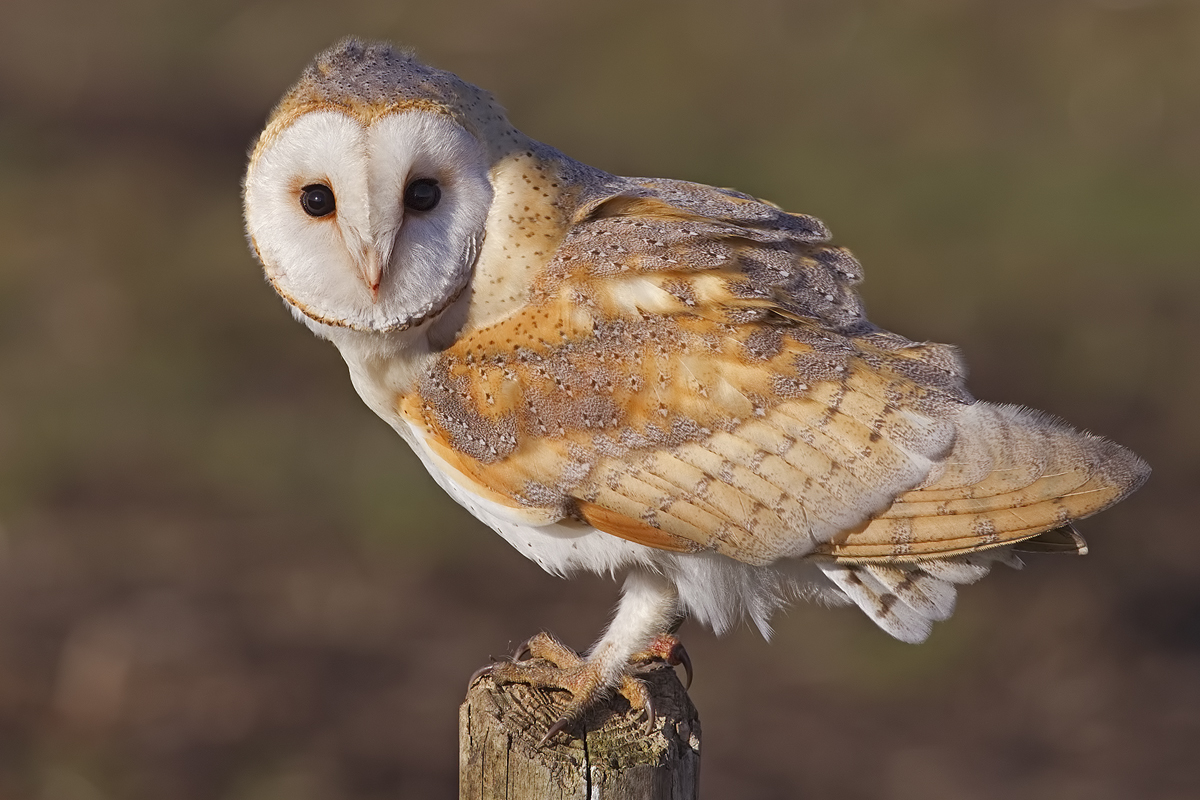
Barn owls have a distinctive facial disc that focuses sound toward their ears, pale underparts and mottled upperparts that vary between populations. Key measurable traits typically cited for the species include:
- Wingspan generally in the range of 75–110 cm and a body length often around 25–50 cm.
- A relatively light body mass that can vary widely between populations and sexes.
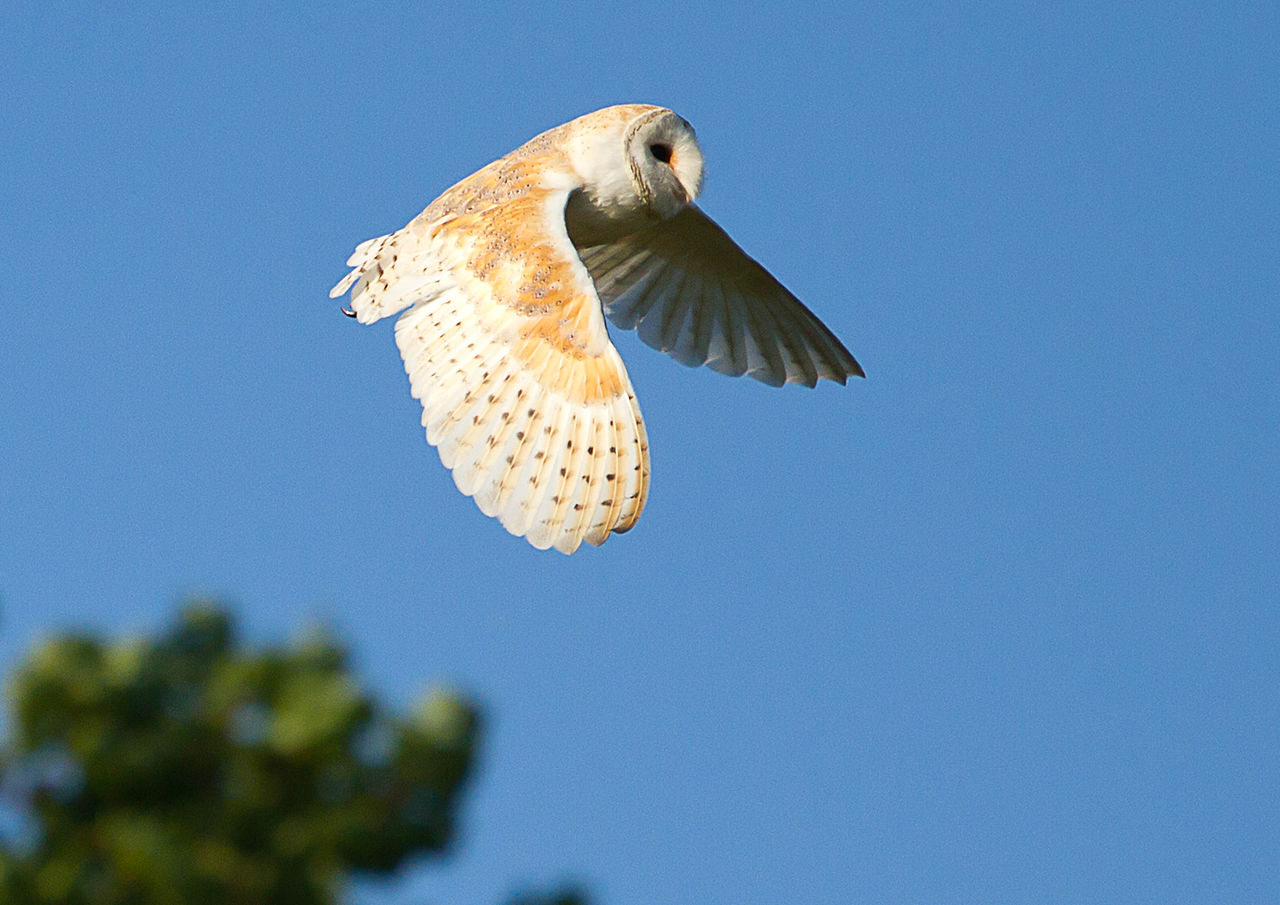
- Long, broad wings and a square or slightly rounded tail which aid efficient, buoyant flight.
- Soft fringed flight feathers that reduce noise, aiding nocturnal hunting.
Behaviour, diet and reproduction
The common barn owl is primarily nocturnal and hunts by flying low over open habitats to locate prey by sound and sight. Its diet is dominated by small mammals such as voles, mice and shrews, but it will also take reptiles, insects and occasionally small birds. Typical behaviours include: silent flight, hovering over prey in some situations, and regurgitating indigestible parts as pellets.
Breeding usually occurs in spring in many parts of its range (seasonal timing varies by latitude). Barn owls nest in sheltered sites such as tree cavities, cliffs, old buildings and artificial nest boxes; they frequently use agricultural structures, including barns and other farm buildings (farm habitats), which has influenced their common name.
Distribution and habitat
As one of the most widely distributed owl species, the common barn owl occupies a variety of open and semi-open landscapes: farmland, grassland margins, wetlands, and scattered woodland (woodland and edge habitats). Its presence is strongly tied to prey availability and suitable nesting sites; human-modified landscapes can be beneficial when they provide hunting grounds and roosting opportunities but can also expose birds to threats.
Conservation, interactions with people and notable facts
Populations of the common barn owl experience regional variation. Threats include loss of nesting habitat, declines in prey from land-use change, and secondary poisoning from rodenticides. Because they consume large numbers of rodents, barn owls are valued by many farmers as natural pest control and are often encouraged with nest boxes and habitat management. The barn owl family represents one of the two main living owl lineages, distinct from the typical owls, and the species is frequently studied for its acoustic hunting adaptations and role in agroecosystems.
Distinguishing points
- Unlike many owls with round faces, the barn owl's heart-shaped disc is tuned for acute directional hearing.
- The species shows considerable geographic variation in coloration and size, which has led to many local subspecies or populations described by researchers.
- Its characteristic screech or hiss is different from the hoots associated with many other owl species.
For further reading and species accounts consult dedicated resources and regional field guides; the taxonomic and ecological details for Tyto alba continue to be refined by ongoing research and monitoring efforts.
Relevant links: Genus Tyto, Family Tytonidae, nomenclature history, farm association, woodland use, breeding season notes.
Questions and answers
Q: What is the common barn owl?
A: The common barn owl is a species of owl in the genus Tyto, and one of the most widespread of all birds.
Q: What is the difference between the barn owl family and the typical owl family?
A: The barn owl family is one of two main lineages of living owls, the other being the typical owls (Strigidae).
Q: Why does the barn owl have multiple names?
A: The barn owl is known by many other names in different parts of the world, which is one of the problems with common names.
Q: What is the reason for Linnaeus to invent his system of scientific naming?
A: One of the main reasons Linnaeus invented his system of scientific naming was to avoid problems with common names.
Q: What are the physical characteristics of a barn owl?
A: The barn owl has long wings, a pale face, and a square-shaped tail. It has a wing span of 75–110 cm and a body length of around 25–50 cm. Its weight varies between 187 and 800 grams.
Q: Where does the barn owl live?
A: The barn owl lives in rural areas such as farms and woodland.
Q: What does the barn owl eat and when does it breed?
A: The barn owl eats small mammals, reptiles, fish, insects, and smaller birds. Its breeding season is spring and it breeds in nests in trees.
Related articles
Author
AlegsaOnline.com Common barn owl (Tyto alba): appearance, behaviour, and human links Leandro Alegsa
URL: https://en.alegsaonline.com/art/21989