
Comenius (Jan Amos Komenský): Pioneer of Modern Education
Jan Amos Comenius, a 17th-century Czech educator and church leader, developed systematic teaching methods, championed universal literacy, and created illustrated textbooks that shaped later schooling.
Overview: Jan Amos Comenius (1592–1670) was a Moravian-born religious leader and thinker who became one of the most influential figures in the history of schooling. Often called simply Comenius, he combined pastoral duties with a lifelong effort to reform teaching so that learning was clear, orderly and available to all. His nationality is often noted as Czech and he served as a bishop in a Protestant church while working across Europe to promote new methods of education.
Image gallery
10 Images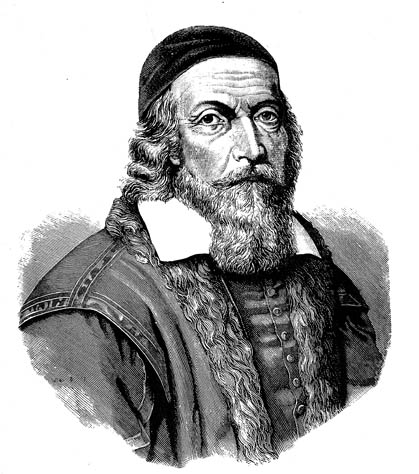


Life and historical context
Comenius lived through religious conflict and political upheaval in early modern Europe, experiences that shaped his commitment to tolerance and to practical instruction. Forced to move several times, he wrote and taught in different cultural settings, seeking patrons and cooperating with reformers from across the continent. Exile deepened his conviction that education could foster peace and mutual understanding.
Major ideas and methods
Rejecting rote memorization, Comenius argued that teaching should proceed from the simple to the complex, make use of the senses, and use clear, systematic ordering of subject matter. He emphasized instruction in the learner’s own tongue before introducing classical languages. Central to his approach was the belief that learning should be joyful and connected to real experience.
Works and innovations
- Didactic writings that outlined a graded curriculum and classroom organization.
- Language primers and pedagogical textbooks that illustrated words and concepts visually.
- Plans for a universal method of organizing knowledge and for a "real character" or constructed system to reduce confusion of expression.
His illustrated elementary book—an early modern picture-based textbook—helped popularize images as teaching tools and supported his campaign for universal literacy.
Influence and legacy
Comenius is widely regarded as a founding figure of modern pedagogy. His stress on developmental sequencing, sensory learning, and broader access to education influenced later educators and the gradual spread of public schooling. While some of his grander proposals for a universal language or encyclopedic system remained unrealized, his practical reforms in textbooks, lesson design, and teacher training had enduring impact.
For further reading and resources, see modern editions and studies that examine his didactic treatises, pictorial schoolbooks, and philosophical proposals for uniting knowledge across languages and faiths. Many scholarly and educational sites maintain collections of his principal works and translations.
More on his background | Church role | Educational theories | Literacy efforts | Sample textbook
Questions and answers
Q: Who was Comenius?
A: Comenius was a 17th-century Czech bishop and innovator in education.
Q: How is Comenius' name spelled differently in different languages?
A: Comenius' name is spelled differently in almost every language.
Q: What is Comenius famous for?
A: Comenius is famous for arguing for universal literacy and inventing the idea of a modern textbook which used pictures as well as prose to get its message across.
Q: How did Comenius try to prevent false statements from being written in a language?
A: Comenius tried to design a language in which false statements could not be written.
Q: What was the innovation in Comenius' textbooks?
A: The innovation in Comenius' textbooks was the use of pictures as well as prose to get its message across.
Q: What was Comenius' view on literacy?
A: Comenius argued for universal literacy.
Q: What was Comenius' profession?
A: Comenius was a bishop.
Related articles
Author
AlegsaOnline.com Comenius (Jan Amos Komenský): Pioneer of Modern Education Leandro Alegsa
URL: https://en.alegsaonline.com/art/21908
Sources
- books.google.com : The New Realities
- teflideas.com : "Learning from Comenius - the pedagogical underpinnings of the Orbis Pictus"