
Combined oral contraceptive pill (COCP)
Overview of the combined oral contraceptive pill: how it works, composition, history, benefits, risks, common regimens and distinctions from other contraceptives.
The combined oral contraceptive pill (COCP), commonly called the birth control pill or simply "the Pill," is a widely used reversible method of contraception for people with ovaries. It contains two synthetic hormones — an estrogen and a progestin — formulated to prevent pregnancy by suppressing ovulation and producing changes in cervical mucus and the uterine lining that together reduce the chance of fertilization and implantation. The COCP is available in a variety of doses and dosing schedules and is prescribed for both contraceptive and non‑contraceptive medical benefits.
Image gallery
5 Images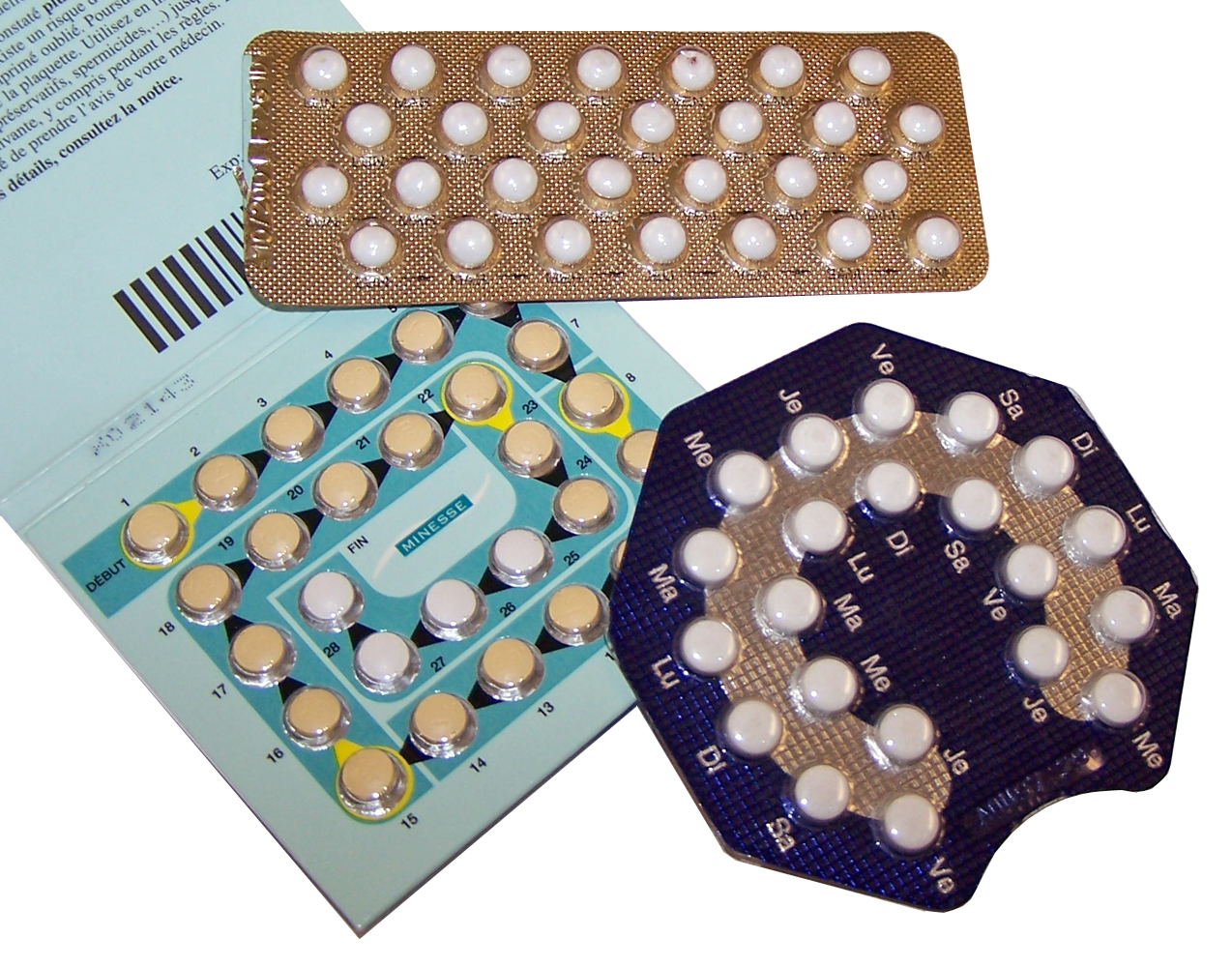


Composition and mechanism
Most combined pills pair an estrogen (commonly ethinylestradiol in many formulations) with a progestin. The hormones act in three principal ways: they prevent the normal mid‑cycle luteinizing hormone surge and thus block ovulation; they increase the thickness and viscosity of cervical mucus, reducing sperm entry; and they alter the endometrium so it is less receptive to implantation. A discussion of the individual hormones and formulations can be found via hormone profiles. Variants and lower‑dose preparations are described in clinical guidance at formulation resources.
Typical regimens and usage
Traditional COCP packs use a 21/7 schedule (21 days of active hormone tablets followed by 7 hormone‑free or placebo days), but many manufacturers and prescribers now offer 24/4, extended‑cycle, or continuous regimens that reduce the number of withdrawal bleeds. Pills must be taken regularly for maximum effectiveness; missing doses or inconsistent timing reduces protection. Practical guidance and local recommendations are available from prescribing sources such as start and switch guidance and patient information at user instructions.
Benefits and non‑contraceptive uses
Beyond pregnancy prevention, COCPs offer several additional, commonly reported benefits. Many users experience lighter, more regular menstrual bleeding and reduced menstrual cramps. Pills are also used to treat acne, control symptoms of polycystic ovary syndrome (PCOS), reduce the incidence of benign ovarian cysts, and lower the long‑term risk of endometrial and ovarian cancers. For some people they improve menstrual-related mood or pain disorders. Medical reviews and prescribing information discuss these effects in detail; see summaries at clinical reviews and resource hubs like patient summaries.
Effectiveness and comparisons
When taken exactly as prescribed, combined oral contraceptives are among the most effective reversible methods of birth control. Typical (real‑world) effectiveness is lower than perfect‑use effectiveness because of missed or late pills. Compared with progestin‑only pills (the "minipill"), implants, intrauterine devices (IUDs), or barrier methods, the COCP offers the advantage of cycle control and additional medical benefits but requires daily adherence. For side‑by‑side information and alternatives see comparative materials at method comparisons and detailed analyses at contraceptive choice guides.
Risks, contraindications and monitoring
For most healthy, non‑smoking users under age 35, the absolute risks associated with modern combined pills are low, but certain conditions increase the risk of adverse events. COCP use is associated with a small increase in the risk of venous thromboembolism (blood clots), and there is a higher relative risk for arterial events (such as stroke or myocardial infarction) in women who smoke or who have other cardiovascular risk factors. Some studies also examine associations with breast cancer detection, and guidance emphasizes individualized assessment. People with uncontrolled hypertension, some types of migraine, a history of thrombotic events, or certain liver disorders are usually advised to use alternative methods. For screening, contraindication lists and management options consult guidance at safety guidance and detailed summaries at risk assessment resources.
History and social impact
The development and introduction of combined oral contraceptives during the mid‑20th century represented a major advance in reproductive autonomy and public health. Early scientific work on steroid hormones and progestins enabled modern formulations; the first large‑scale clinical introductions occurred in the late 1950s and early 1960s. Adoption patterns have varied by country, culture and time, and the Pill has played a notable role in family planning, women's employment and social change. Historical accounts and archived research are available via academic summaries at historical sources and educational overviews at social impact essays.
Choosing and switching methods
Choosing a contraceptive should be individualized, weighing effectiveness, side effects, health history, personal preferences and reproductive plans. Clinicians will review medical history, blood pressure and other factors before prescribing. If side effects or contraindications develop, many alternatives exist — progestin‑only pills, implants, IUDs, patches, vaginal rings and barrier methods are commonly considered. For a stepwise approach to selection and follow‑up, see decision aids and counseling tools at choice aids and practical care pathways at continuity of care.
- Key advantages: predictable cycles, high contraceptive effectiveness with consistent use, improvement in dysmenorrhea and acne.
- Key concerns: daily adherence required, small increased clotting risk, not suitable for all medical conditions.
For personal medical advice, diagnosis or treatment, individuals should consult a licensed health professional. The information above is a general encyclopedia‑style overview intended to summarize common characteristics, uses and considerations related to the combined oral contraceptive pill.
Questions and answers
Q: What is the combined oral contraceptive pill?
A: The combined oral contraceptive pill (COCP) is a form of contraception for women that contains hormones to make them infertile.
Q: How does the COCP work?
A: When taken as prescribed, the pills prevent pregnancy by stopping ovulation and making it so that a woman cannot become pregnant during sexual intercourse.
Q: Who discovered the hormone progesterone's effect on fertility?
A: Scientists such as Carl Djerassi, George Rosenkranz and Alejandro Zaffaroni realized in the 1950s that progesterone stopped women from making eggs (stopped ovulation).
Q: What are two female hormones found in COCP?
A: The combined oral contraceptive pill has two female hormones - estrogen and progesterone. Some pills only contain progesterone, which are often called "minipills".
Q: When was COCP first given to women in the United States?
A: The combined oral contraceptive pill was first given to women in 1960 in the United States.
Q: Why is COCP popular among couples?
A: Couples find it convenient because they don't need to interrupt foreplay or use any barrier methods during sex; they can just take a pill and have natural-feeling intercourse without worrying about pregnancy. It also makes menses shorter with less bleeding, as well as helping with complexion, which most women like.
Q: Are there any risks associated with taking COCP?
A: There are some slight risks for side effects such as mood swings, weight gain or loss of sex drive; however these risks are usually small. In rare cases these side effects may be serious enough to make a woman decide to stop using the Pill.
Author
AlegsaOnline.com Combined oral contraceptive pill (COCP) Leandro Alegsa
URL: https://en.alegsaonline.com/art/21876
Sources
- content.nejm.org : "Hormonal Contraception"
- guttmacher.org : "Current Contraceptive Research"
- journals.uchicago.edu : "The Power of the Pill: Oral Contraceptives and Women's Career and Marriage Decisions"
- un.org : "World Contraceptive Use 2005"
- cdc.gov : "Use of contraception and use of family planning services in the United States: 1982-2002"
- pubmed.ncbi.nlm.nih.gov : 15633582
- guttmacher.org : "Provider and Health Facility Influences On Contraceptive Adoption in Urban Pakistan"
- webarchive.nationalarchives.gov.uk : Contraception and Sexual Health, 2005/06
- statistics.gov.uk : statistics.gov.uk
- cbsnews.com : "Japanese Women Shun The Pill"
- figo.org : "Cultural aspects related to the health of Andean Women in Latin America: A key issue for the attainment of progress towards the Millenium Development Goals"
- sogc.org : "Religious and Cultural Influences on Contraception"
- popcouncil.org : "Future Trends in Contraception in the Developing World: Prevalence and Method Mix"
- contraceptivetechnology.com : Contraceptive Technology
- ffprhc.org.uk : "Clinical Guidance: First Prescription of Combined Oral Contraception"