
Comb (handheld grooming and fiber tool)
A comb is a handheld implement with a row of teeth used to detangle, style, and clean hair and to align fibers for spinning. This article explains design, history, materials, types, and common uses.
Overview
A comb is a simple handheld tool consisting of a main body with a series of projecting elements called teeth. Combs are primarily associated with caring for human hair, but they also appear in textile work and animal grooming. Most combs are relatively flat, making them easy to carry and to pass through strands of hair or fibers.
Image gallery
10 Images



Parts and materials
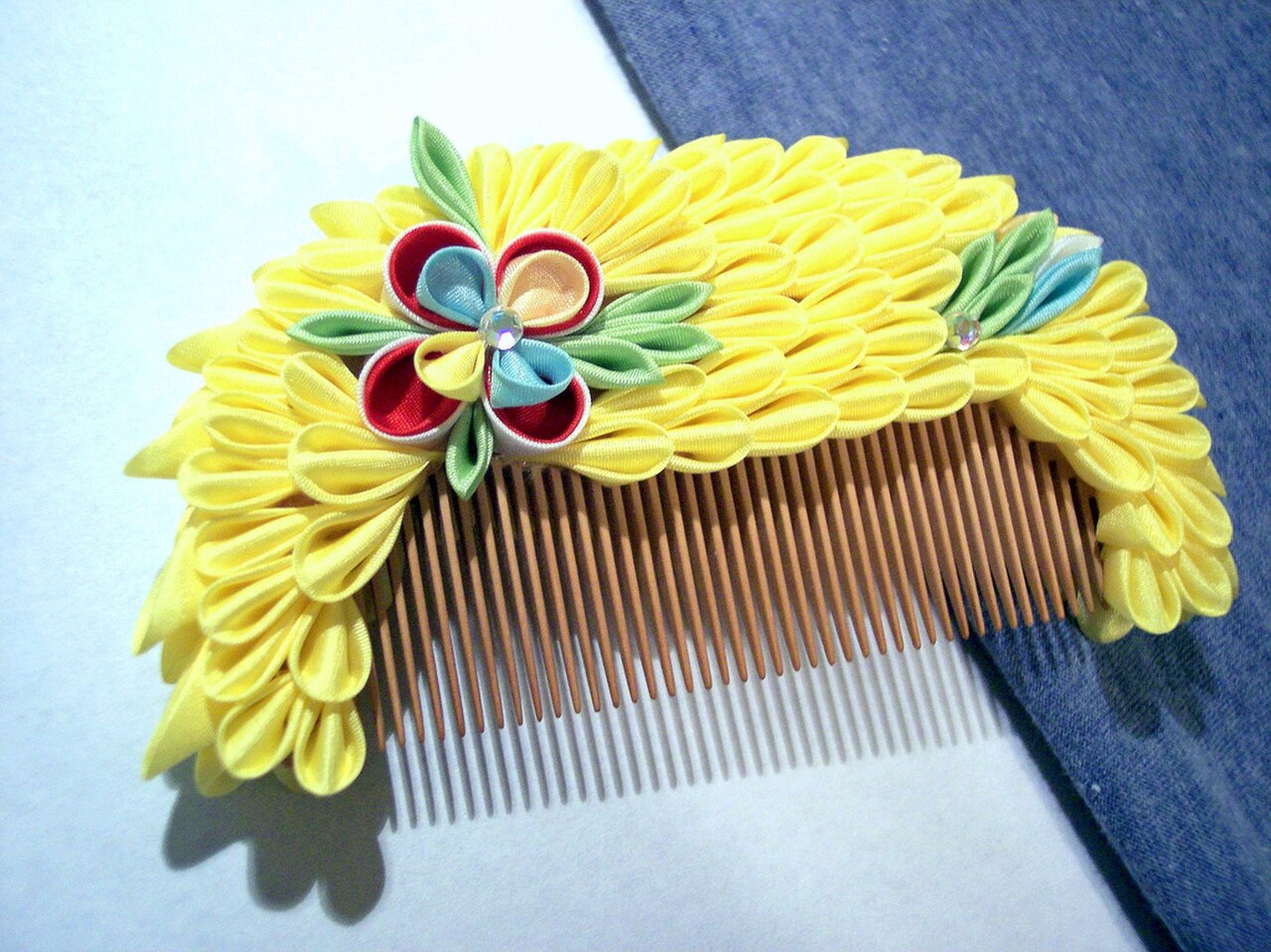
Typical components are a spine or handle and one or more rows of teeth. Teeth differ in spacing, length, and stiffness. Materials range from traditional organic substances such as wood, bone, horn, and tortoiseshell to modern plastics and metals. Some combs combine materials—for example, a wooden handle with fine metal teeth—or include specialized coatings for durability or anti-static properties. A narrow-pointed handle, often called a tail, is found on rat-tail combs used for sectioning hair.
History and cultural role
Combs are an ancient invention: archaeological evidence shows they have been used for several millennia, with surviving examples and fragments indicating widespread use in many cultures. Beyond practical grooming, combs have served as ornamental objects, symbols of status, and items placed in graves. Designs and decorative techniques have varied according to available materials and aesthetic traditions.
Uses and applications
Combs serve several practical roles:
- Personal grooming: detangling, smoothing, and styling hair; aiding in the application of products and in parting hair.
- Textile preparation: aligning fibers such as wool and cotton to prepare them for spinning into thread or yarn; combing removes shorter fibers and arranges longer fibers parallel for a smoother yarn.
- Animal grooming and cleaning of textiles: removing loose hair or lint, and in some crafts to tease fibers.
Types and distinctions
Common comb types include wide-tooth combs for detangling wet or curly hair, fine-tooth combs for smoothing and finishing, rat-tail combs with a thin handle for sectioning, and pick combs with long teeth used on textured hair. Brushes differ from combs by having dense bundles of bristles and are often better at distributing oils; combs excel at precise parting and aligning individual strands.
Care and selection
Choosing a comb depends on hair texture, intended use, and material preference. Wooden combs are often chosen for reduced static and gentle handling; plastic combs are inexpensive and easily molded into tight tolerances; metal combs can be sterilized for professional use. Regular cleaning prevents buildup of oils and product residue, and inspecting teeth for damage helps avoid snagging or breakage.
For more detailed guidance on selection and historical examples, see specialized resources and collections, or consult a hair-care professional. For crafting and textile work, combing is a preparatory step that influences the quality and feel of the resulting hair- or fiber-based product.
Further reading and visual references are available through museum catalogues and craft manuals; online repositories and retail guides can illustrate modern variations and usage techniques (tool, hair, flat, thread, wool, cotton).
Questions and answers
Q: What is a comb?
A: A comb is a tool used for grooming hair or other fibers.
Q: How does a comb look like?
A: A comb is usually flat and has small teeth sticking out of a main frame.
Q: For how long have humans been using combs?
A: Humans have been using combs as a tool for at least 5,000 years.
Q: What are some of the uses of combs for humans?
A: Combs are used by humans to separate tangled hairs, keep their hair clean, style their hair, and as a decoration for hair.
Q: Are combs only used for hair grooming?
A: No, combs are also used in the making of thread from fibers like wool or cotton.
Q: What is the purpose of combing fibers when making thread?
A: Combing makes all the fibers point the same way so a thread can be spun.
Q: Is the use of combs limited to humans?
A: No, animals also use combs for grooming their fur or feathers, such as birds using their beak to comb their feathers.
Related articles
Author
AlegsaOnline.com Comb (handheld grooming and fiber tool) Leandro Alegsa
URL: https://en.alegsaonline.com/art/21858
Sources
- ehow.com : "History of the Comb | eHow.com"
- commons.wikimedia.org : Combs