
Columba (Saint Columba of Iona)
Irish missionary and abbot (c. 521–597) who founded the monastery on Iona and influenced the spread of Christianity in western Scotland and northern Britain.
Overview
Columba, commonly known by his Irish name Colm Cille (meaning "dove of the church"), is an important figure in the early medieval Christian history of Ireland and Britain. Born about 521 and traditionally said to have died in 597, he is remembered as a priest, teacher and monastic founder whose life is described in a mixture of historical record and hagiography. The principal contemporary account was written by Adomnán in the late seventh century, and later annals and traditions also preserve stories of his work and reputed miracles.
Image gallery
9 Images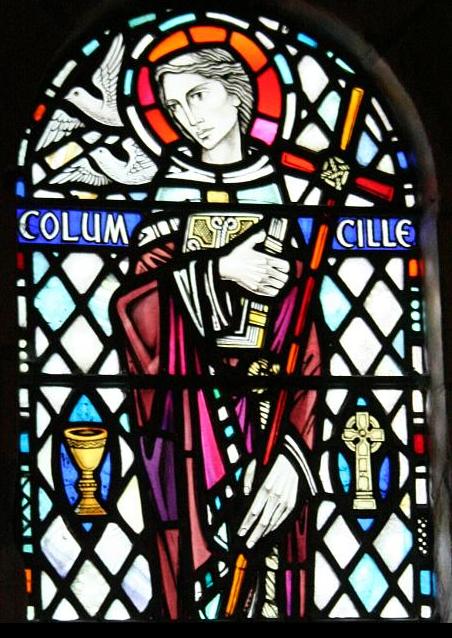


Early life and departure from Ireland
Early sources describe Columba as a cleric and leader trained in the Irish monastic milieu. He is often called a priest and missionary in later summaries of his activity. Tradition holds that he left Ireland in 563 AD when he sailed across the Irish Sea to begin mission work; accounts sometimes connect his departure with disputes over a copied manuscript, although modern historians caution against taking such explanations as the sole cause. Many scholars emphasize broader social and religious factors that encouraged movement of clergy and monks between Ireland and Britain.
Iona and monastic life
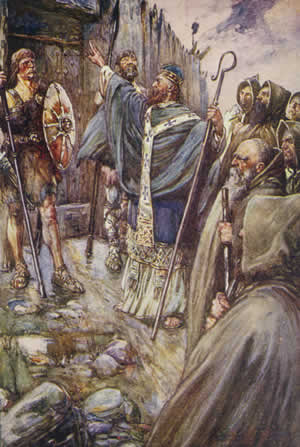
Columba is credited with founding a monastic community on the island of Iona, where he established a center that combined prayer, study, and missionary outreach. The small island monastery is often called simply the monastery of Iona and became influential as a model for subsequent foundations. From Iona, monks were sent to found or reform communities in the kingdom known in sources as Dál Riata, and they ministered among Gaelic and Pictish populations in what are described as the western regions of early medieval Scotland.
Mission and religious influence
Columba's work is linked with the expansion and consolidation of Christianity in parts of northern Britain. The Iona community emphasized scriptural study, liturgy and the training of clergy; its scriptoria and scholarly activity influenced manuscript traditions in the Insular world. While specific attributions—such as participation in particular conversions or battles—are debated, the general view among historians is that Columba and his foundation played a significant role in shaping ecclesiastical networks across the Irish Sea.
Sources, veneration and legacy
Knowledge of Columba comes from Adomnán's Life, later annals and the surviving oral and written traditions preserved by monastic communities; these sources mix factual detail with devotional elements and must be read critically (see sources). He is venerated as a saint with a feast day on 9 June, and Iona retained a reputation as a "holy island" and a focus for pilgrimage and memory. Modern interest in Columba extends from religious history to studies of early medieval art, manuscript culture and the networks that connected Ireland, the Hebrides and mainland Britain.
Notable points
- Traditional dates for Columba are c. 521–597 and his Irish name is often given as Colm Cille.
- He is associated with the founding of the Iona monastery and missionary activity across the Irish Sea, often summarized under the heading of his departure from Ireland and subsequent ministry.
- Primary textual evidence includes Adomnán's Life and the Irish annals; later medieval manuscripts and archaeological remains reflect the long influence of Iona-era institutions.
- The monastery at Iona became a center for teaching and manuscript production, linked in later tradition to works such as the Book of Kells and other Insular art forms.
Questions and answers
Q: Who is Saint Columba?
A: Saint Columba was an Irish priest and missionary.
Q: What does "Colm Cille" mean?
A: "Colm Cille" is Irish for "Columb of the Church".
Q: When did Saint Columba leave Ireland?
A: Saint Columba left Ireland in 563 AD.
Q: Where did Saint Columba go on his mission?
A: Saint Columba went to Dál Riata, which is now western Scotland, on his mission.
Q: What is the famous monastery associated with Saint Columba?
A: The famous monastery associated with Saint Columba is located on the Island of Iona.
Q: Why is the Island of Iona known as a "holy island"?
A: The Island of Iona is known as a "holy island" because of the famous monastery that Saint Columba built there.
Q: When did Saint Columba pass away?
A: Saint Columba passed away on 9 June, 597.
Related articles
Author
AlegsaOnline.com Columba (Saint Columba of Iona) Leandro Alegsa
URL: https://en.alegsaonline.com/art/21780
Sources
- newadvent.org : "St. Columba"
- legacy.fordham.edu : "Medieval Sourcebook: Adamnan: Life of St. Columba, Introduction [Seth Seyfried]"
- bbc.co.uk : "St Columba (Colum Cille)"
- historic-uk.com : "St Columba and the Isle of Iona"