
Collector, New South Wales: village overview, history and notable sites
Collector is a small historic village on the Federal Highway in New South Wales, Australia, known for bushranger history, local wineries and the controversial Dreamers Gate sculpture.
Overview
Collector is a small rural village in New South Wales in Australia. It lies on the Federal Highway between Goulburn and the Australian Capital Territory, close to the northeastern shore of Lake George. Collector functions as a service and visitor stop on a major route, retaining a quiet village character while serving travellers and nearby agricultural properties.
Image gallery
4 Images


History and name
European settlement of the Collector area began in the late 1820s; farming and pastoral leases were established as the colony expanded inland. Early records note a substantial homestead built by T.A. Murray in the 1830s and a local post office opened in the mid-19th century, which helped consolidate a small village centre. The place name comes from an Indigenous word often rendered as "colegadar" and later anglicised as Collector; as with many Australian place names, the form reflects European attempts to record an original local name. The Federal Highway was routed around the village in 1988, reducing through-traffic and changing the village's relationship to the highway.
Notable events: bushrangers and the Bushranger Hotel
Collector is remembered in colonial law-and-order history for an 1865 attack on the local pub. The Bushranger Hotel was the scene of a violent encounter in which Constable Samuel Nelson was shot during an attempted robbery by members of a gang that included John Dunn. These attackers were part of a larger group of outlaws typically called bushrangers, and are often linked to the better-known figure Ben Hall. The episode is a frequently cited example of the tensions in rural New South Wales during the bushranger era and has become part of the village's local heritage story.
Community, economy and attractions
Collector's local economy blends agriculture, small-scale tourism and service businesses that cater to passing motorists and weekend visitors. The village has a mix of eating places and galleries, including wineries and cafes that draw visitors exploring nearby cellar doors. Typical village enterprises are listed below:
- Historic pub: Bushranger Hotel, a heritage focal point for visitors
- Food and drink: local restaurants and cellar doors
- Arts: a small community gallery and artisan studios
- Light industry: quarries and rural service businesses
Dreamers Gate: sculpture and controversy
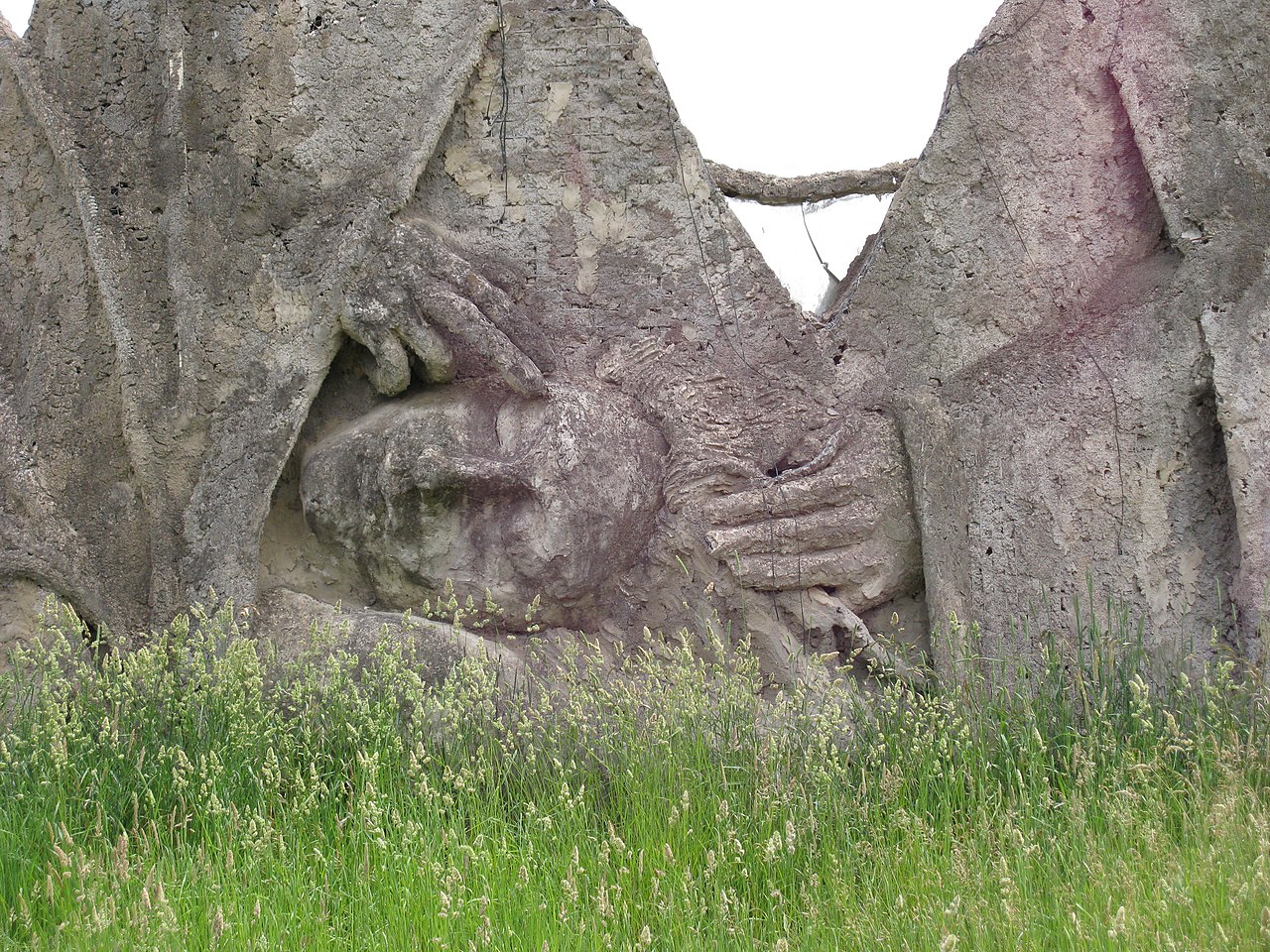
One of the most publicly visible and contentious works associated with the area is Dreamers Gate, created by artist Tony Phantastes in the 1990s. Built from cement and wire, the sculpture was intended as a personal memorial and a large-scale art environment. An archival record of its development and dispute is noted in public archives and online references, sometimes cited as an archived record. Over two decades the work attracted attention both for its imaginative, Gothic style and for safety, planning and maintenance disputes between the artist and local authorities. Debate over such works raises broader questions about how communities manage unconventional public art, heritage, and structural safety.
Access and significance
Collector is easily reached from the Federal Highway and serves as a nearby rural destination for residents of the national capital and regional centres. Its layers of colonial history, links to the bushranger era, local hospitality and the presence of distinctive art make Collector notable beyond its small population. Visitors typically come for short stops, dining, small-scale cultural experiences and to explore the surrounding agricultural landscape. For historical research or planning visits, local records and community resources are available through regional information services and local heritage organisations.
Further reading and local information may be accessed via regional guides and council resources; see the linked references for starting points on history, sites and current community services. Early settlement accounts and the opening of the village post office are common entry points for researchers seeking the earliest documentary mentions.
Questions and answers
Q: What is Collector?
A: Collector is a small village in New South Wales, Australia. It is located on the Federal Highway between Goulburn, New South Wales and the Australian Capital Territory and is 7km north of Lake George.
Q: When was the area first settled by Europeans?
A: The area was first settled by Europeans in 1829.
Q: Who started a farm and built a 12-room house on the land in 1837?
A: T.A. Murray started a farm and built a 12-room house on the land in 1837.
Q: When did a post office open at Collector?
A: A post office opened at Collector in 1848.
Q: What year was the village by-passed by the Federal Highway?
A: The village was by-passed by the Federal Highway in 1988.
Q: What happened at The Bushranger Hotel in 1865?
A: At The Bushranger Hotel in 1865, Constable Samuel Nelson was shot by John Dunn who was part of Ben Hall's gang while they were robbing the hotel.
Q: What businesses are located in Collector? A: Businesses located in Collector include The Grapefoodwine Restaurant, Lynwood Café /Restaurant, Cafe Lerida of Lerida Estate Winery, Collector Art Gallery and Collector Quarries.
Tags
Related articles
Author
AlegsaOnline.com Collector, New South Wales: village overview, history and notable sites Leandro Alegsa
URL: https://en.alegsaonline.com/art/21570
Sources
- aussieheritage.com.au : Australian Heritage Listing, Dreamers Gate