
Cocteau Twins: Scottish pioneers of ethereal dream pop
Cocteau Twins were a Scottish alternative band (1979–1997) known for Elizabeth Fraser's vocal style, lush guitar textures, and influential albums on the 4AD label such as Garlands and Milk and Kisses.
Overview
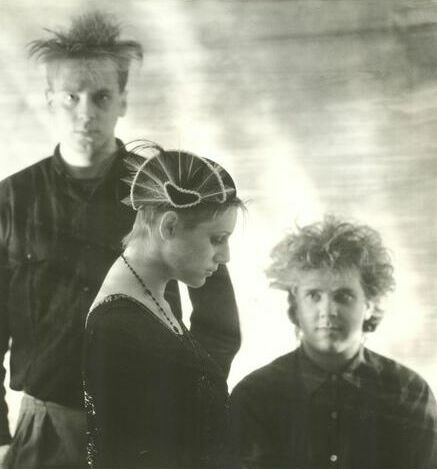
Cocteau Twins were an influential alternative band formed in Grangemouth, Scotland, in 1979. The group is best known for combining richly processed guitars with an otherworldly, often indecipherable vocal approach. Their work is commonly associated with genres described as dream pop, ethereal wave and post‑punk; critics and listeners praise the band for creating a distinctive sonic atmosphere that influenced many later artists.
Image gallery
4 Images


Sound and style
The band's signature sound relied on dense effects, shimmering reverb and layered delay. Guitarist and producer Robin Guthrie developed a heavily textured, chiming style that functions as both rhythm and ambience. Vocalist Elizabeth Fraser's delivery ranged from clear singing to glossolalia — wordless syllables and fragments used for their timbral quality rather than literal meaning. Bass and melodic duties shifted with different lineups, contributing to a fluid, dreamlike mix rather than conventional verse/chorus songwriting.
History and personnel
Founding members included Robin Guthrie and Will Heggie; Elizabeth Fraser joined early in the group's evolution. After a few early releases Heggie departed and Simon Raymonde became a long‑standing member, expanding the band's arranging and production palette. They recorded for the 4AD label and built a steady following through albums and distinctive visual presentation. The group formally disbanded in 1997 after nearly two decades of recording and touring.
Major releases
- Garlands (1982)
- Head Over Heels (1983)
- Treasure (1984)
- Victorialand (1986)
- Blue Bell Knoll (1988)
- Heaven or Las Vegas (1990)
- Four‑Calendar Café (1993)
- Milk and Kisses (1996)
Influence and legacy
Cocteau Twins left a lasting imprint on alternative and indie music. Their aesthetic helped define the 'dream pop' label and influenced shoegaze, ambient and contemporary indie acts. Musicians and producers have cited the band's textural approach to guitar and the expressive, nonliteral use of voice as inspirational. Their records continue to be referenced in discussions of atmosphere, production and the creative possibilities of rock instrumentation.
Context and notable facts
The band's name was borrowed from a song by an early punk act, and its members were part of a vibrant Scottish music scene that intersected with broader Scottish and international rock currents. While they achieved limited mainstream chart success, their artistic reputation remains strong, and reissues and anthologies have introduced new listeners to their catalog.
Questions and answers
Q: Who started Cocteau Twins?
A: Robin Guthrie and Will Heggie started the band in 1979 in Grangemouth.
Q: What is the origin of the band's name?
A: The band was named after the song "The Cocteau Twins" by Johnny and the Self-Abusers.
Q: When was the band's first album released?
A: The band's first album Garlands was released by 4AD records in 1982.
Q: When did the band release their last album?
A: In 1996 the band released their last album Milk and Kisses.
Q: When did the band break up?
A: The band broke up in 1997.
Q: What genre of music did Cocteau Twins play?
A: Cocteau Twins were a Scottish rock band.
Q: Who was part of the band?
A: Robin Guthrie and Will Heggie started the band, while other members included Elizabeth Fraser and Simon Raymonde.
Related articles
Author
AlegsaOnline.com Cocteau Twins: Scottish pioneers of ethereal dream pop Leandro Alegsa
URL: https://en.alegsaonline.com/art/21362