
Saint Alberto Hurtado (Padre Hurtado)
Jesuit priest, lawyer and social activist from Chile who founded Hogar de Cristo; canonized in 2005 and remembered for his work with the poor and influence on social teaching.
Overview
Alberto Hurtado Cruchaga (born Luis Alberto Hurtado Cruchaga, January 22, 1901–August 18, 1952) was a Chilean Catholic clergyman, social advocate and writer widely known as Padre Hurtado. He served as a Jesuit priest and became a prominent figure in twentieth-century social ministry. The Catholic Church formally canonized him as a saint of the Catholic Church on October 23, 2005, by Pope Benedict XVI.
Image gallery
3 Images
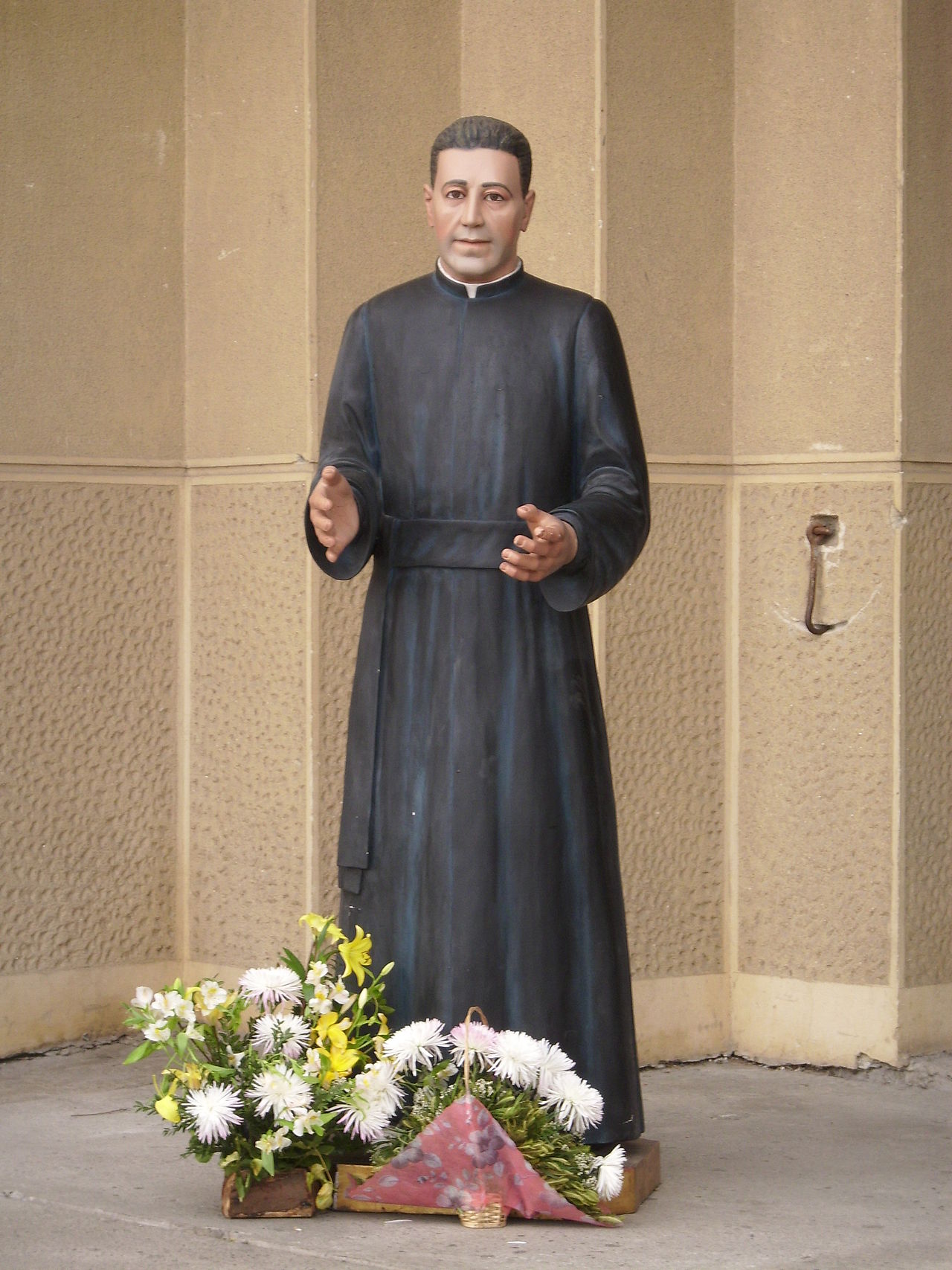

Early life and background
Hurtado was born in Viña del Mar, Chile. His family background included Basque roots, a point sometimes noted in biographical sketches of his heritage (Basque). He took the name Alberto when he entered religious life and combined pastoral care with public engagement throughout his career.
Education, ministry and social work
Before and during his priesthood Hurtado combined several professional roles. He trained as a lawyer and used that formation to address legal and structural problems affecting the poor. He is remembered as a committed social worker, educator and communicator whose sermons, articles and talks reached broad audiences. Hurtado conducted much of his ministry in Spanish-speaking communities and was widely known by his Spanish nickname, Padre Hurtado (Spanish).
Founding of Hogar de Cristo and practical initiatives
Concerned about homelessness and the social fallout of urban poverty, Hurtado launched practical charitable projects and institutions that aimed to provide shelter, basic needs and accompaniment. The most enduring of these is the organization now known as Hogar de Cristo, created to support people experiencing homelessness and social marginalization. His approach combined direct aid, public advocacy and the encouragement of volunteer networks.
Death, canonization and legacy
Hurtado died in Santiago after an illness related to cancer on August 18, 1952. Decades later his life of service and the ongoing work of the institutions he founded led to his beatification and eventual canonization in 2005. Today his name is associated with charitable outreach in Chile and with wider conversations about Christian social teaching, human dignity and organized responses to poverty.
Notable aspects and distinctions
- Combined clerical ministry with legal training and social action.
- Founded enduring charitable structures that continue to operate.
- Remains a widely recognized figure in Chilean religious and civic life.
- Canonized by Pope Benedict XVI, signaling recognition at the universal level of the Catholic Church.
For further reading and institutional histories, consult biographies and the websites of organizations that preserve his memory and work: many contemporary sources in Spanish and English provide detailed chronologies and documentation of his initiatives. Jesuit biographies, institutional archives and diocesan records are common starting points for deeper study.
Questions and answers
Q: Who is Saint Alberto Hurtado Cruchaga?
A: Saint Alberto Hurtado Cruchaga was a Jesuit priest who was canonized (recognized as a Catholic saint) on October 23, 2005, by Pope Benedict XVI.
Q: When was Alberto Hurtado born?
A: Alberto Hurtado was born on January 22, 1901, in Viña del Mar, Chile.
Q: What was Alberto Hurtado's profession?
A: Alberto Hurtado was a Jesuit priest, a lawyer, a social worker, and a writer.
Q: What is the Hogar de Cristo Foundation?
A: The Hogar de Cristo Foundation was founded by Alberto Hurtado, and it is a nonprofit organization that aims to assist vulnerable groups, including the homeless, the elderly, and people living in poverty.
Q: What was Alberto Hurtado called in Chile?
A: In Chile, Alberto Hurtado was popularly known as Padre Hurtado, which means "Father Hurtado" in Spanish.
Q: How did Alberto Hurtado die?
A: Alberto Hurtado died from cancer on August 18, 1952 in Santiago, Chile.
Q: When was Alberto Hurtado canonized?
A: Alberto Hurtado was canonized by Pope Benedict XVI in 2005.
Tags
Related articles
Author
AlegsaOnline.com Saint Alberto Hurtado (Padre Hurtado) Leandro Alegsa
URL: https://en.alegsaonline.com/art/2133