
Clyde, Ohio
Clyde is a small city in Sandusky County, northern Ohio, known as the model for Sherwood Anderson’s Winesburg, Ohio and recognized as a Tree City USA community.
Clyde is a city in Sandusky County, in the northern part of Ohio, United States. It had a population of 6,325 according to the 2010 census. Though modest in size, Clyde has a long local identity as a small regional center for nearby farms and communities and has been formally recognized for its urban trees by the National Arbor Day Foundation.
Image gallery
3 Images
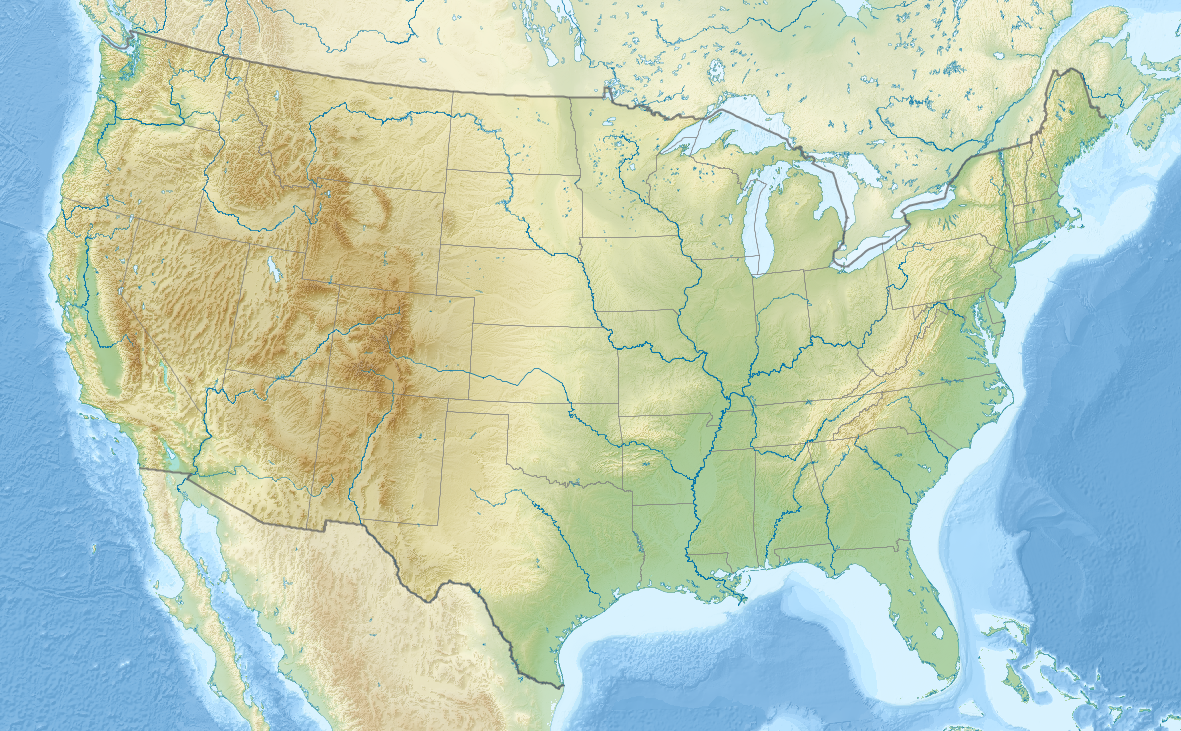

Geography and civic profile
Clyde sits within a landscape typical of northern Ohio: primarily agricultural surroundings with a concentration of residential and commercial development in town. The city operates as a local hub for retail, services, and community institutions that serve residents in the surrounding rural townships. Clyde maintains municipal services, local schools, parks, and small-business retail corridors that form the core of civic life.
History and name
The community was named after Clyde, New York, the hometown of one of its early settlers. Its roots date to the 19th century when settlement and local commerce expanded across Ohio’s interior. Over time Clyde developed the civic institutions and downtown fabric common to small Midwestern cities, balancing preservation of historic streetscapes with modest economic change.
Culture and literary significance
Clyde is best known beyond its region as the inspiration for the fictional town in Sherwood Anderson’s 1919 short-story collection Winesburg, Ohio. Anderson drew on people and scenes from Clyde and nearby locales to create characters and vignettes that have made the place notable in American literary history. Visitors and readers interested in literary Americana often associate Clyde with this influential work and its exploration of small-town life; Sherwood Anderson remains the most widely cited cultural link to the city.
Community features and distinctions
The city has been designated a Tree City USA, reflecting municipal attention to tree planting and urban forestry. Local life typically centers on school programs, civic clubs, recreational opportunities, and downtown businesses. Clyde’s scale and institutions make it an example of the small-city model that supports surrounding agricultural areas across the Midwest.
Quick facts
- County: Sandusky County
- State: Ohio
- Country: United States
- Population (2010): 6,325
- Literary connection: Sherwood Anderson and Winesburg, Ohio
Questions and answers
Q: Where is Clyde located?
A: Clyde is located in Sandusky County, Ohio, United States.
Q: What was the population of Clyde at the 2010 census?
A: The population of Clyde was 6,325 at the 2010 census.
Q: What designation has the National Arbor Day Foundation given to Clyde?
A: The National Arbor Day Foundation has designated Clyde as a Tree City USA.
Q: Why was Clyde named Clyde?
A: Clyde was named after Clyde, New York, the hometown of an early resident.
Q: What is Clyde known for?
A: Clyde is known for having served as the setting for Sherwood Anderson's 1919 collection of short stories Winesburg, Ohio.
Q: Who authored Winesburg, Ohio?
A: Sherwood Anderson authored Winesburg, Ohio.
Q: In what year was Winesburg, Ohio published?
A: Winesburg, Ohio was published in 1919.
Related articles
Author
AlegsaOnline.com Clyde, Ohio Leandro Alegsa
URL: https://en.alegsaonline.com/art/21179
Sources
- scrippsjschool.org : "A Pronunciation Guide to Places in Ohio"
- amlit.com : Winesburg, Ohio, Sherwood Anderson, 1919
- chilaughlin.com : chilaughlin.com
- ngeorgia.com : James Birdseye McPherson, Major General, Union Commander, Army of Tennessee
- bioguide.congress.gov : NORRIS, George William - Biographical Information
- commons.wikimedia.org : Clyde, Ohio