
Clun: small historic town on the River Clun in south Shropshire
Clun is a small historic town in south Shropshire, England, on the River Clun. Noted for its castle ruins, quiet streets and literary links, it serves surrounding farms and attracts walkers and history visitors.
Overview
Clun is a small rural town set in the valley of the River Clun in southern Shropshire. It has a long history as a compact market and border settlement within Shropshire and lies within the modern ceremonial county of England. The town's older Welsh name is remembered in local records and culture; the Welsh form is given as Colunwy. At the time of the 2011 census the population was recorded as a few hundred residents, reflecting Clun's modest size and rural character.
Image gallery
9 Images





Location and transport
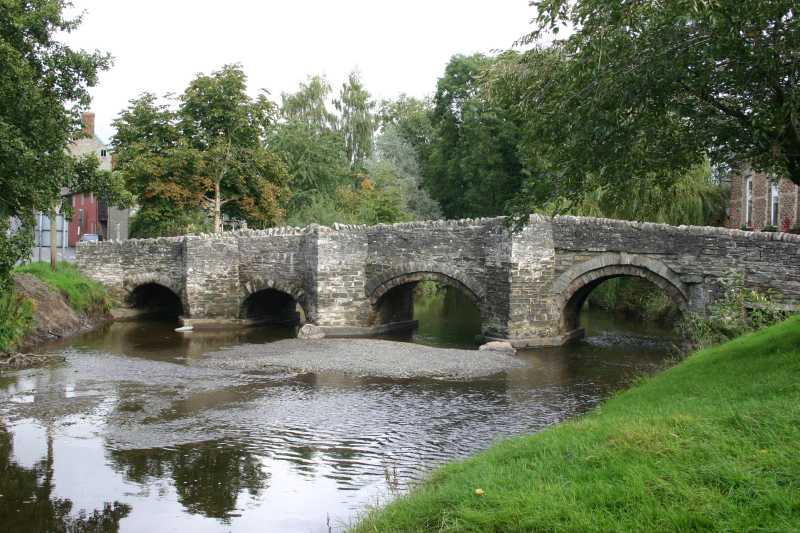
Clun occupies a position close to the England–Wales border on the shallow, wooded valley of the river from which it takes its name. Two main local roads meet at the town: the A488 and the B4368, which connect Clun with neighbouring market towns and the wider road network. Nearby settlements include Craven Arms to the east and Ludlow to the southeast; Powys border country is a short distance to the west where Knighton lies across the boundary. The immediate area is largely agricultural, with lanes, hedgerows and patches of woodland.
Name, river and etymology
The place-name Clun derives from the river name, an early British hydronym often represented in modern forms such as Colne in other parts of England. Comparable river names occur in counties such as Lancashire and Essex, and the shared root points to an ancient linguistic layer in British topography. The town's name and the river are central to its identity, used in local place-names and cultural references.
History and notable features
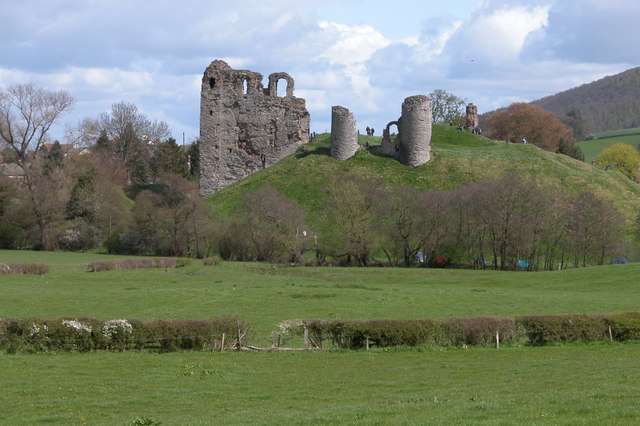
Clun retains the character of a small medieval town and is notable for the remains of a Norman and medieval castle that stand above the river valley. The castle ruins, narrow streets and traditional stone buildings reflect the town's long history on the borderlands between England and Wales. Over time Clun has remained relatively small, preserving a quiet street pattern and a compact core often described as typical of the rural border counties.
Demography and economy
The population of Clun has remained low compared with larger market towns in the county. The local economy is dominated by agriculture, small-scale local services and an element of visitor-related trade. Small shops, inns and accommodation providers cater for residents, walkers and those following historic or literary routes through the Shropshire Hills.
Culture, literature and tourism
Clun has a literary association through the verse of A. E. Housman, who evoked the quiet settlements of this part of Shropshire in his collection. The landscape around the town is popular with walkers and those interested in rural heritage; visitors are drawn to the castle ruins, the river valley and the tranquillity of the surroundings. Local events and community initiatives contribute to the town's cultural life, while modest tourism helps support services.
Governance and community
Clun forms a civil parish and community hub for surrounding farms and hamlets. Local governance arrangements sit within the unitary authority and administrative structures of Shropshire, and community groups often work to conserve local heritage and landscape. The town's small population fosters an active community life centred on local institutions and events.
Visiting Clun
Visitors should expect a small, quiet town with limited services but strong appeal for those interested in walking, rural scenery and historic sites. The Shropshire Hills and surrounding countryside offer opportunities for short and longer walks; local signage and information leaflets are usually available from community outlets. For wider services and rail links, nearby market towns such as Craven Arms and Ludlow provide additional facilities.
Further reading and links
- Welsh name and linguistic notes
- Local town information
- Shropshire county resources
- Shropshire historic context
- England: national overview
- Comparable river-names in Lancashire
- Comparable river-names in Essex
- Craven Arms, nearest service centre
- Ludlow and market-town services
- Powys and border counties
- Wales and nearby Knighton
Clun remains a small but distinct example of England's rural border settlements: its riverine name, castle remains and quiet streets illustrate a continuity of place visible across centuries and celebrated in literature and local community life.
Questions and answers
Q: What is the name of the town in Shropshire, England?
A: The town is called Clun (Welsh: Colunwy).
Q: How many people were recorded living in Clun according to a 2011 census?
A: A 2011 census recorded just 680 people living in the town.
Q: What is the origin of the name "Clun"?
A: The name derives from an earlier Colunwy and shares its very early British root with the Colne rivers, in Lancashire and Essex, each of which has a town of the same name on its banks.
Q: What roads cross through Clun?
A: The A488 and B4368 roads cross in the town.
Q: What are some neighbouring towns to Clun?
A: Craven Arms, Bishop's Castle (6 miles (10 km) to the north) and Ludlow are neighbouring Shropshire towns, and Knighton, which is in Powys, Wales, is 7 miles (11 km) to the south.
Q: Who wrote a verse about Clun?
A: In A Shropshire Lad, A. E. Housman wrote the verse:"Clunton and Clunbury, Clungunford and Clun, Are the quietest places Under the sun."
Related articles
Author
AlegsaOnline.com Clun: small historic town on the River Clun in south Shropshire Leandro Alegsa
URL: https://en.alegsaonline.com/art/21163