
Clinical psychology: practice, assessment, history, and training
Clinical psychology studies, assesses, prevents and treats psychological disorders through assessment, psychotherapy, research and consultation across health, education and community settings.
Overview
Clinical psychology is the professional specialty within psychology devoted to understanding, diagnosing, treating and preventing mental, emotional and behavioral disorders. Practitioners combine scientific methods, clinical assessment and therapeutic techniques to help individuals and groups manage distress, improve functioning and promote well‑being. Clinical psychologists work in hospitals, community clinics, private practice, schools, forensic settings and academic institutions.
Image gallery
5 Images

Core activities and approaches
The discipline integrates several complementary activities. Assessment and diagnosis use interviews, standardized tests and behavioral observation to identify problems and strengths. Interventions typically emphasize psychological therapies rather than medical treatments, though psychologists often collaborate with physicians and psychiatrists when medication is appropriate. Contemporary practice emphasizes evidence‑based treatments and measurement of outcomes.
- Assessment: cognitive testing, personality inventories, functional analysis.
- Psychotherapy: structured approaches such as cognitive‑behavioral therapy, as well as psychodynamic, humanistic and integrative methods; see psychotherapy.
- Consultation and systems work: advising schools, workplaces and legal teams.
- Research and evaluation: developing and testing interventions, outcome monitoring.
History and development
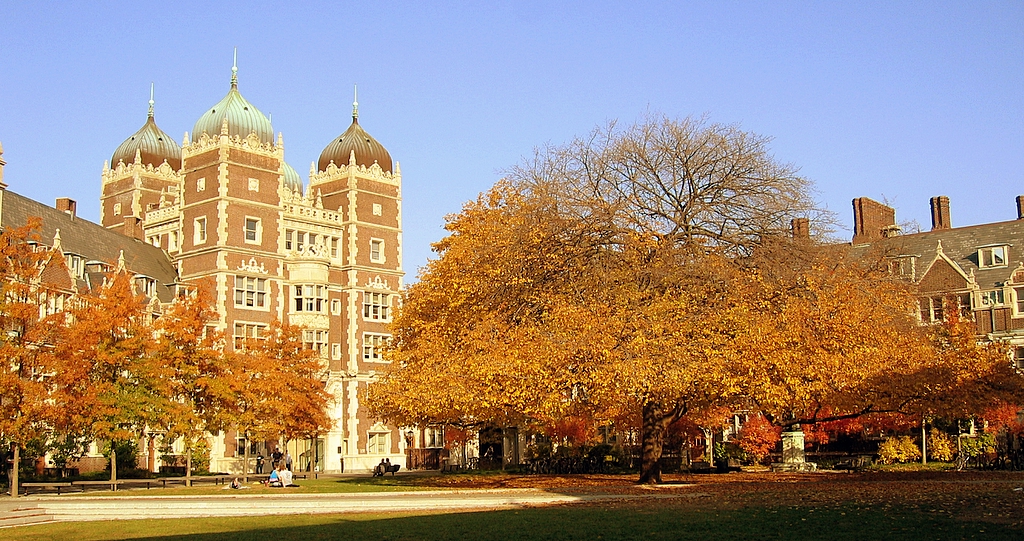
The modern specialty traces its start to clinics established in the late 19th century. In 1896 the first university‑based psychological clinic was founded by Lightner Witmer at the University of Pennsylvania, marking a shift toward applied assessment and treatment. During the first half of the 20th century clinical practice emphasized assessment and diagnosis, including intelligence and personality testing; see early developments in the 20th century. The needs of returning soldiers and broader public health demands after World War II greatly expanded training programs and the workforce.
Over time the role of the clinical psychologist broadened from assessment to direct treatment and research. The profession established training standards, licensure requirements and ethical guidelines to ensure quality and public protection. Many professional organizations and journals support ongoing scientific and clinical refinement.
Training models, regulation and distinctions
Preparation typically includes graduate education, supervised clinical internships and licensure or certification. Two common models are the research‑oriented Ph.D., often described as the scientist–practitioner model, and the practitioner‑focused Psy.D., sometimes called the practitioner–scholar model. Both routes aim to produce clinicians capable of using scientific evidence in practice and conducting or applying research.
Clinical psychologists differ from psychiatrists and other mental health professionals in typical training and scope of practice: psychologists emphasize psychological assessment, therapy and behavioral interventions and usually hold doctoral degrees in psychology, whereas psychiatrists are medical doctors who can prescribe medication. Collaboration among disciplines is common for comprehensive care; for resources on professional roles see clinical psychologists and training references such as the founding clinic.
Contemporary importance and directions
Today clinical psychology addresses a broad spectrum of concerns — from severe mental illness to stress, relationship problems and developmental difficulties. The field continues to evolve through research in neuroscience, culturally sensitive practice, digital interventions and outcome measurement. Practitioners emphasize individualized, evidence‑based care while adapting to changing health systems and public needs. For additional perspectives and professional guidance, consult educational and policy resources linked to major organizations and academic centers (overview, academic programs, professional practice).
Questions and answers
Q: What is clinical psychology?
A: Clinical psychology is a branch of psychology focused on the study and treatment of mental disorders.
Q: How do clinical psychologists treat mental disorders?
A: Clinical psychologists use psychotherapy, which involves talking instead of medical or physical treatments, to treat mental disorders.
Q: What did the first psychological clinic do?
A: The first psychological clinic, opened in 1896 at the University of Pennsylvania by Lightner Witmer, aimed to provide psychological assessment and treatment for individuals with mental disorders.
Q: What was clinical psychology mainly focused on in the first half of the 20th century?
A: In the first half of the 20th century, clinical psychology was mainly focused on psychological assessment rather than treatment.
Q: What caused an increase in trained clinical psychologists after World War II?
A: After World War II, there was a big increase in the numbers of trained clinical psychologists.
Q: What are the two main educational models for clinical psychologists?
A: The two main educational models for clinical psychologists are the Ph.D. scientist-practitioner model which emphasizes research, and the Psy.D. practitioner-scholar model which emphasizes treatment.
Q: What are clinical psychologists regarded as experts in?
A: Clinical psychologists are now regarded as experts in psychotherapy.
Related articles
Author
AlegsaOnline.com Clinical psychology: practice, assessment, history, and training Leandro Alegsa
URL: https://en.alegsaonline.com/art/21012