
Cleansing of the Temple
An account in the Christian Gospels in which Jesus expels merchants and money changers from the Jerusalem Temple; significant for its religious, historical, and interpretive implications.
Overview
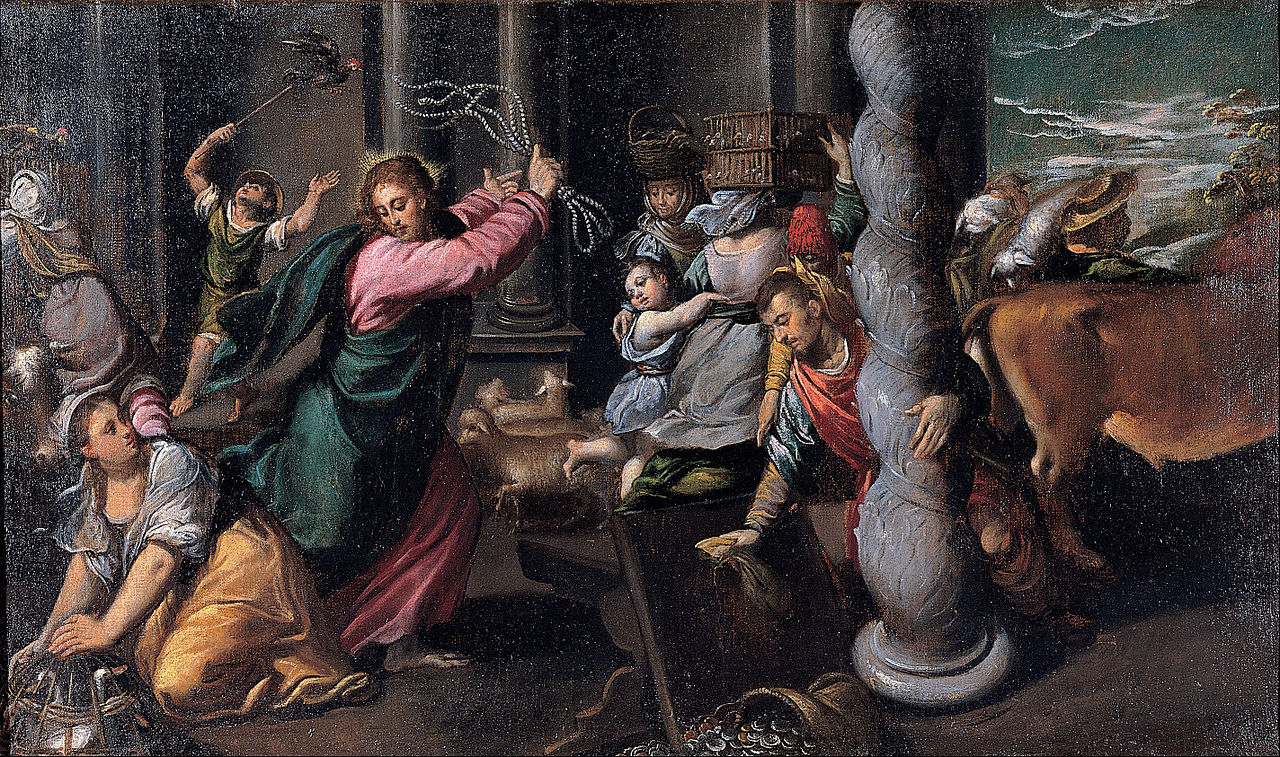
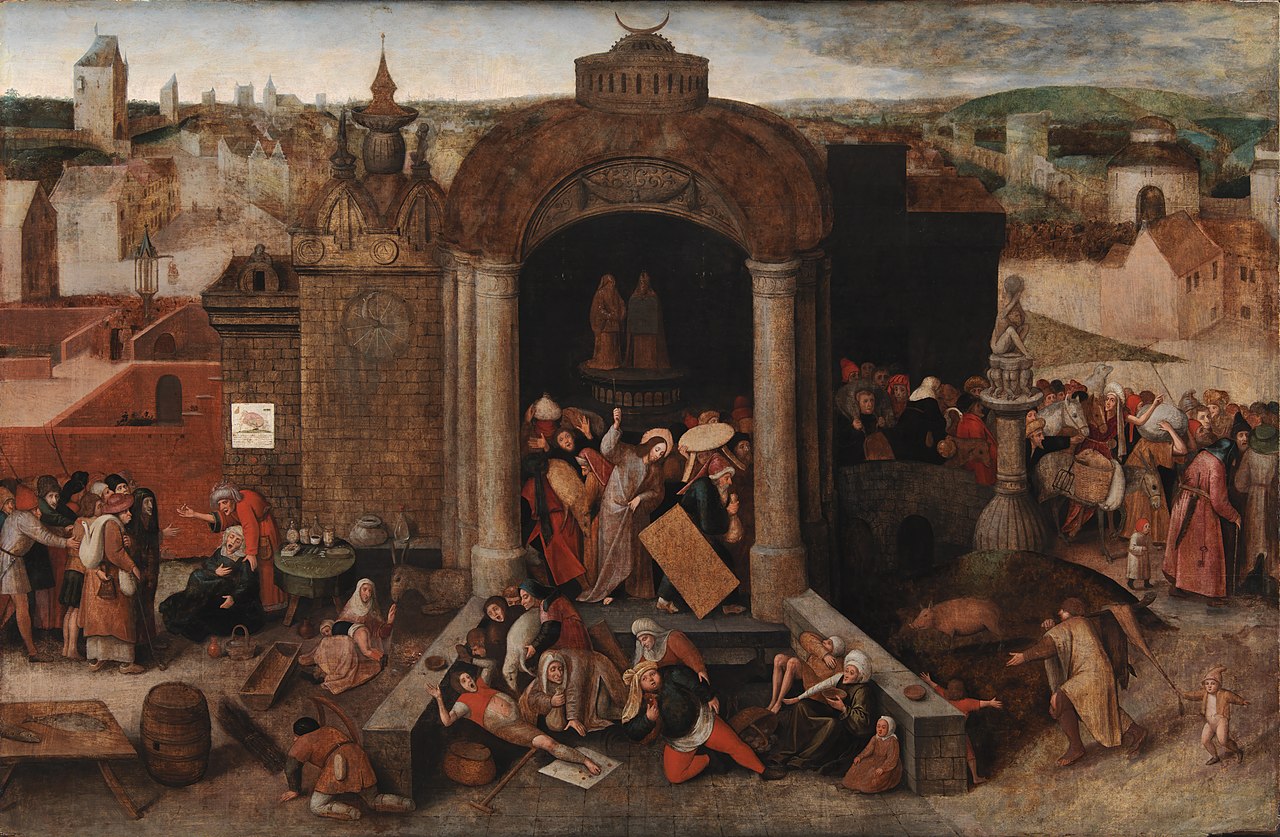
The Cleansing of the Temple refers to one of the best-known episodes in the Christian Gospels in which Jesus confronts and expels those conducting commercial activity within the precincts of the Jerusalem Temple. The narrative describes animals for sacrifice being sold and money changing being carried out inside the temple courts. According to the accounts, Jesus overturned tables and drove out the sellers, accusing them of turning the sacred space into a place of profiteering rather than prayer.
Image gallery
10 Images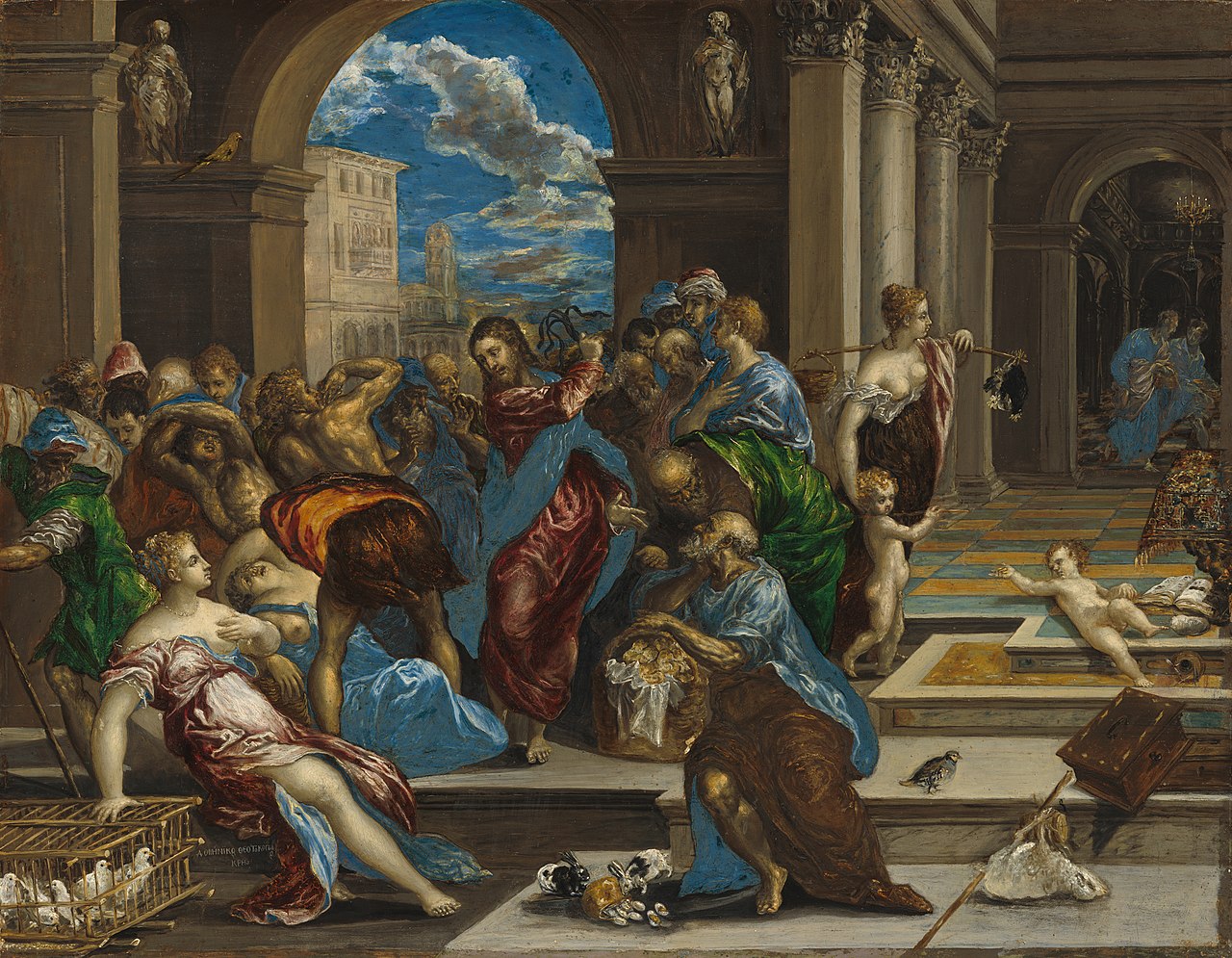






Context and key elements
In first-century Judaism the Temple in Jerusalem served as the central place for sacrificial worship, especially at major festivals when many pilgrims came from across the region. Because sacrificial animals and the temple's required coinage were needed on site, vendors and money changers operated in the temple complex. Critics in the Gospel narratives highlight an economic dimension—high prices, unfair exchange rates, and a system that could exploit worshippers. The story frequently records Jesus declaring that the activity has made the house of God into "a den of thieves" and invokes prophetic language about the temple's intended purpose as a house of prayer.
Gospel accounts and chronological questions
The episode appears in the three Synoptic Gospels and in the Gospel of John, but the placement differs. The Synoptics present it near the end of Jesus' life, during the final week in Jerusalem, while John places it near the beginning of Jesus' ministry. Because of this difference, scholars are divided: some argue for a single event with differing chronological frames, while others propose that similar incidents occurred on separate occasions. These variations have prompted sustained textual and historical analysis.
Theological and social significance
Interpreters have read the Cleansing of the Temple in multiple ways. Historically minded scholars emphasize the social and economic critique implicit in Jesus' actions—an attack on practices that disadvantaged ordinary worshippers. Theologically, the episode is seen as a symbolic challenge to corrupt or hollow religiosity and as a prophetic act that signals judgment on established religious authority. In some traditions it also serves as a narrative turning point that intensifies conflict between Jesus and Jerusalem's religious leaders.
Aftermath and role in the passion narrative
In the Synoptic framework the temple confrontation is one of several events that contribute to increased hostility toward Jesus, leading to his arrest and trial. Whether the Cleansing itself directly triggered official action or functioned as part of a wider pattern of tension, Gospel writers use it to explain religious opposition. The scene has also informed Christian reflection on worship, integrity, and the dangers of commodifying religion.
Interpretation, liturgy, and art
The Cleansing has been widely represented in Christian art, preaching, and liturgical memory. Artists have emphasized the dramatic motion of Jesus overturning tables or the anguished response of onlookers. Preachers often draw ethical lessons about economic justice and religious sincerity. Scholars continue to debate details such as whether one or two clearings occurred and how to weigh the historical core of the tradition.
Further reading and resources
- Jesus — biographical and theological overviews
- Jerusalem Temple — historical and ritual background
- Synoptic Gospels — Matthew, Mark, and Luke accounts and context
- Gospel of John — comparison of narrative placement and themes
Because the episode touches on ritual law, economics, prophetic action, and narrative strategy, it remains a focal point for interdisciplinary study in biblical scholarship, history of ancient Judaism, and Christian theology.
Questions and answers
Q: What is the cleansing of the Temple narrative about?
A: The cleansing of the Temple narrative tells of Jesus making people who sold animals leave the temple in Jerusalem and driving out the money changers.
Q: Why did Jesus drive out the money changers?
A: The temple required that only special coins be used to buy the animals or donate to the temple, and the money changers were sometimes corrupt and cheated people who came to worship. Jesus says they are turning the Temple into "a den of thieves".
Q: When did this happen in the life of Jesus according to the Synoptic Gospels?
A: The Synoptic Gospels tell of this happening near the end of Jesus' life.
Q: Why did the Jewish leaders oppose Jesus?
A: The cleansing of the Temple was one of the reasons that the Jewish leaders opposed Jesus.
Q: When did the Gospel of John put this event in the life of Jesus?
A: The Gospel of John puts this near the beginning of the three year ministry of Jesus.
Q: What do some Bible scholars think about the timing of this event?
A: Some Bible scholars think this happened two times and others think it refers to a single time.
Q: What was the purpose of the people who sold animals in the temple?
A: These people provided animals used in the Jewish rituals of sacrifice.
Related articles
Author
AlegsaOnline.com Cleansing of the Temple Leandro Alegsa
URL: https://en.alegsaonline.com/art/20881