
Classical crossover
A musical category where classical techniques, repertoire or instruments meet popular styles; includes operatic pop, orchestral pop arrangements and modern reworkings of classical pieces.
Classical crossover describes music that blends elements of Western classical tradition with popular, contemporary or vernacular styles. Rather than strict historical performance of classical works, crossover projects reshape repertoire, performance technique or instrumentation to appeal to broader audiences. The term covers singers who apply operatic technique to pop songs, ensembles that present rock or electronic material with orchestral forces, and producers who rework symphonies or concertos into dance, rock or film-friendly formats.
Image gallery
1 Image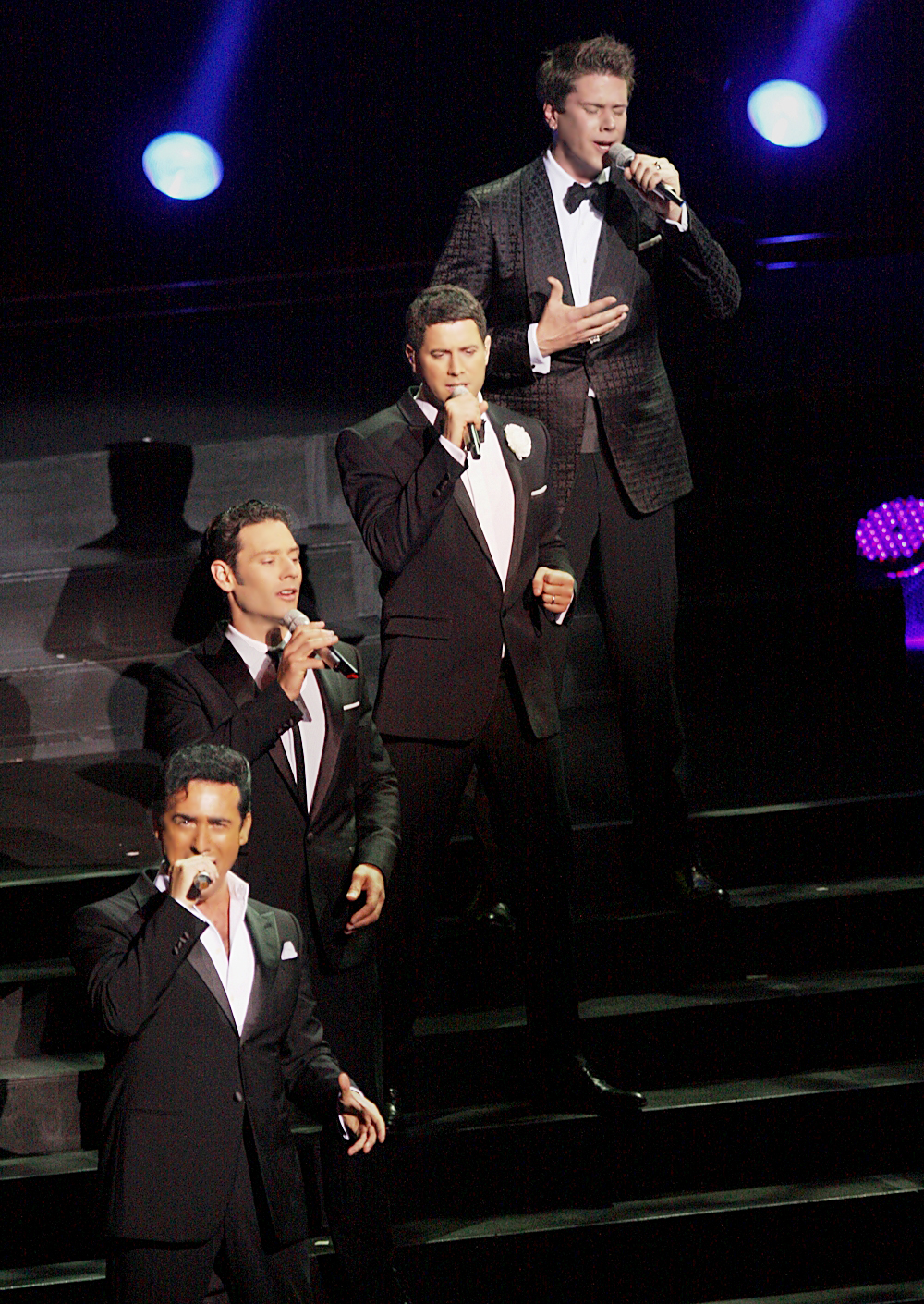
Forms and characteristics
Common manifestations include:
- Operatic pop — classically trained vocalists singing popular songs or new material that uses operatic timbre and phrasing.
- Orchestral arrangements of pop — contemporary songs re-scored for orchestra or chamber ensemble, often used in concert residencies and recordings.
- Modernized classical works — composers and bands transforming classical themes into rock, electronic or dance settings, sometimes creating hybrid new compositions.
- Instrumental crossover — virtuoso instrumentalists who adopt stagecraft, repertoire or production typical of pop music to present classical instruments in new contexts.
History and development
The idea of blending classical sounds with popular tastes has roots in the early 20th century, but it became particularly visible in the late 20th and early 21st centuries as recording technology and global marketing expanded. Record labels and producers recognized a commercial niche between strictly classical catalogues and mainstream pop, promoting artists who could bridge both worlds. Concert programming, film and television soundtracks also contributed by placing orchestral sonorities into mass-market contexts.
Uses, examples and cultural role
Classical crossover often serves to introduce listeners to classical timbres and forms, and it can provide established classical artists new creative outlets. Well-known approaches include solo vocalists adapting pop repertoires with operatic technique, chamber groups performing pop hits, and bands reworking baroque or romantic themes into contemporary idioms. Some performers and projects intentionally move in the opposite direction — pop or rock musicians take their material into symphonic settings — for which see examples that adapt popular songs into orchestral arrangements. Other artists take canonical classical pieces and reinterpret them in modern styles, as described in resources that discuss how musicians adapt classical repertoire into modern styles.
Reception and distinctions
Reception is mixed: enthusiasts praise crossover for widening access and encouraging musical curiosity, while critics argue it can oversimplify or commercialize nuanced repertoire. It should be distinguished from related genres such as symphonic metal, neoclassical composition, or direct sampling, each of which has different aims and techniques. At its best, classical crossover functions as a meeting place: it reframes traditional material without necessarily replacing scholarly or historically informed performance traditions.
Questions and answers
Q: What is classical crossover music?
A: Classical crossover music is a style of music where classical music is performed in a popular modern style that is different from its original format.
Q: Who are popular performers that play classical music in a modern style?
A: Some popular performers that play classical music in a modern style are orchestras and the band called "Classical Made Modern".
Q: What does classical crossover refer to?
A: Classical crossover refers to the genre of music where the classical repertoire is performed in a modern style like rock or dance music.
Q: How does classical crossover differ from classical music?
A: Classical crossover music differs from classical music in that it is performed in a modern style and often features adaptations to the original music.
Q: Who performs classical music in a modern style like rock or dance music?
A: Some performers who perform classical music in a modern style like rock or dance music are the band "Classical Made Modern" and other similar artists.
Q: What is the purpose of classical crossover music?
A: The purpose of classical crossover music is to make classical music more accessible to a wider audience by presenting it in a modern and popular format.
Q: How does classical crossover benefit the music industry?
A: Classical crossover benefits the music industry by creating new audiences and reinvigorating appreciation for classical music among people who might not have otherwise been interested.
Related articles
Author
AlegsaOnline.com Classical crossover Leandro Alegsa
URL: https://en.alegsaonline.com/art/20772
Sources
- prwire.com.au : "Making Classical Crossover music"