
City of London Police
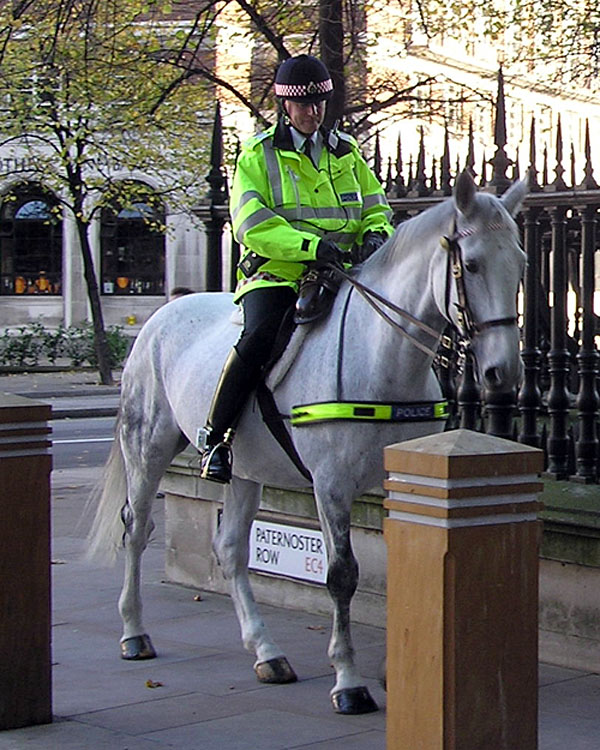
The City of London Police is the dedicated territorial force for the Square Mile, responsible for general policing and specialized economic crime work in the financial district of London.
Overview
The City of London Police is the territorial police force with responsibility for law enforcement across the Square Mile, the historic and financial centre often referred to simply as "the City". Its jurisdiction covers the small area governed by the City of London Corporation and includes legal districts such as the Middle Temple and the Inner Temple. The force is separate from the Metropolitan Police, which polices the rest of Greater London; the boundary between the two reflects historic governance and modern operational arrangements. The City itself is sometimes signposted in official texts as the City of London.
Image gallery
9 Images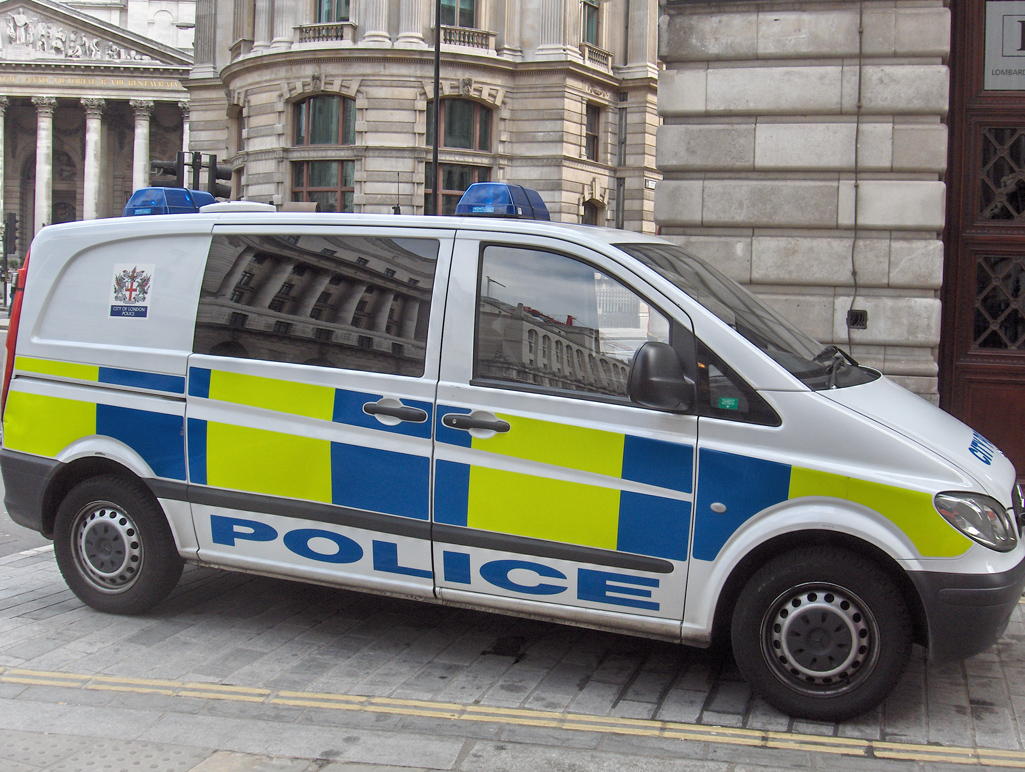


Responsibilities and specialisms
In addition to routine local policing duties—crime prevention, investigating offences, public order and safeguarding—the City of London Police has developed nationally recognised teams focused on economic and cyber-enabled crime. Following a government review of fraud in the late 2000s, the force was designated as the national lead for fraud investigations and has been supported to enhance capabilities for complex financial crime, international fraud enquiries and digital investigations. The police authority for the force is the City of London Corporation, reflecting the unique municipal arrangements of the Square Mile.
Scale, structure and stations
The force is small compared with most territorial UK police services because it polices a geographically compact but commercially dense area. Staffing levels include uniform and specialist officers alongside support personnel: totals reported for the force include around 1,200 employees, of whom several hundred are sworn officers. Volunteers and auxiliary personnel such as Special Constables and Police Community Support Officers supplement core teams. Primary operating bases historically have included stations at Snow Hill, Wood Street and Bishopsgate; these are sometimes referred to collectively in local material as the force’s main stations.
Operational challenges
Policing the City presents distinctive demands. A small resident population—only a few thousand people—expands daily by several hundred thousand commuters and visitors, creating intense daytime pressures on transport, public safety and licensing. Crime patterns reflect the concentration of financial services: fraud, cyber attacks, money laundering, and offences affecting business premises feature prominently alongside more familiar street-level crimes. The force thus balances neighbourhood-style policing for residents and workers with specialist investigative work that often crosses regional and national borders.
History and governance
The City of London Police traces its roots to ancient civic arrangements for maintaining order in the Square Mile. Over centuries these evolved into a distinct municipal force administered under the auspices of the City of London Corporation. While many modern policing powers and practices mirror those of larger forces, the City retains unusual governance links to its municipal corporation and a distinct identity within the UK's policing landscape.
Notable facts and distinctions
- The City of London Police is the smallest territorial police force in England by geographic area and one of the smallest by officer numbers; commentators note the contrast between limited geography and outsized economic importance.
- Its national role in combating fraud and financial crime has led to partnerships with other UK forces, government agencies and international law enforcement bodies.
- Operational coordination with neighbouring forces—especially the Greater London policing family and the Metropolitan Police—is important for transport, counter-terrorism support and major events.
- Examples of everyday activity include protecting major business premises, investigating complex commercial fraud, and policing civic events such as the Lord Mayor’s Show.
For further general information, official resources and public guidance on reporting crime in the Square Mile, readers can consult City of London Police publications and guidance materials available from public portals and civic websites. The force’s particular combination of local policing and national economic-crime responsibilities makes it a specialist component of the United Kingdom’s policing landscape and a frequent partner in international financial-crime investigations. The City remains notable both for the density of people and commerce that it serves and for the specialised services its small force provides.
References to organisational components and locations appear in public-facing material about the force; for administrative or historical detail see authoritative civic records or official policing reports, or visit central information pages indicated by the force and the City of London Corporation. The force’s unique status is reflected in how it is described alongside other UK policing bodies, including as the smallest territorial service and as the national lead for certain economic crime functions.
Related links: smallest territorial police force, City of London, officers and volunteers.
Questions and answers
Q: What is the City of London Police responsible for?
A: The City of London Police is responsible for law enforcement within the City of London, including the Middle and Inner Temple.
Q: Which organization is responsible for law enforcement within the rest of Greater London?
A: The Metropolitan Police Service is responsible for law enforcement within the rest of Greater London.
Q: Why was the City of London Police recognized as the lead police force for fraud?
A: The City of London Police was recognized as the lead police force for fraud and granted funding from government to further develop its capabilities nationally and internationally as a result of the Fraud Review 2008.
Q: Who is the police authority for the City of London?
A: The police authority for the City of London is the Corporation of London.
Q: What is the resident population of the City of London?
A: The resident population of the City of London is 8,043 with 4,421 households.
Q: How many police officers does the City of London Police have?
A: The City of London Police has 813 police officers, 85 Special Constables, and 48 Police Community Support Officers.
Q: How many police stations does the City of London Police have?
A: The City of London Police has three police stations located in Snow Hill, Wood Street, and Bishopsgate.
Related articles
Author
AlegsaOnline.com City of London Police Leandro Alegsa
URL: https://en.alegsaonline.com/art/20553
Sources
- cityoflondon.police.uk : "City of London Police - Force Priorities"
- cityoflondon.police.uk : City of London Police - index
- police.homeoffice.gov.uk : "The police | Home Office"
- lslo.gov.uk : lslo.gov.uk
- webarchive.nationalarchives.gov.uk : webarchive.nationalarchives.gov.uk
- cityoflondon.police.uk : City of London Police Counter Terrorism Policy