
Chukotka Autonomous Okrug: Russia’s Far Eastern Arctic Region
Overview of Chukotka Autonomous Okrug: geography, climate, people, economy, history and governance of Russia’s easternmost federal subject bordering Alaska.
Overview
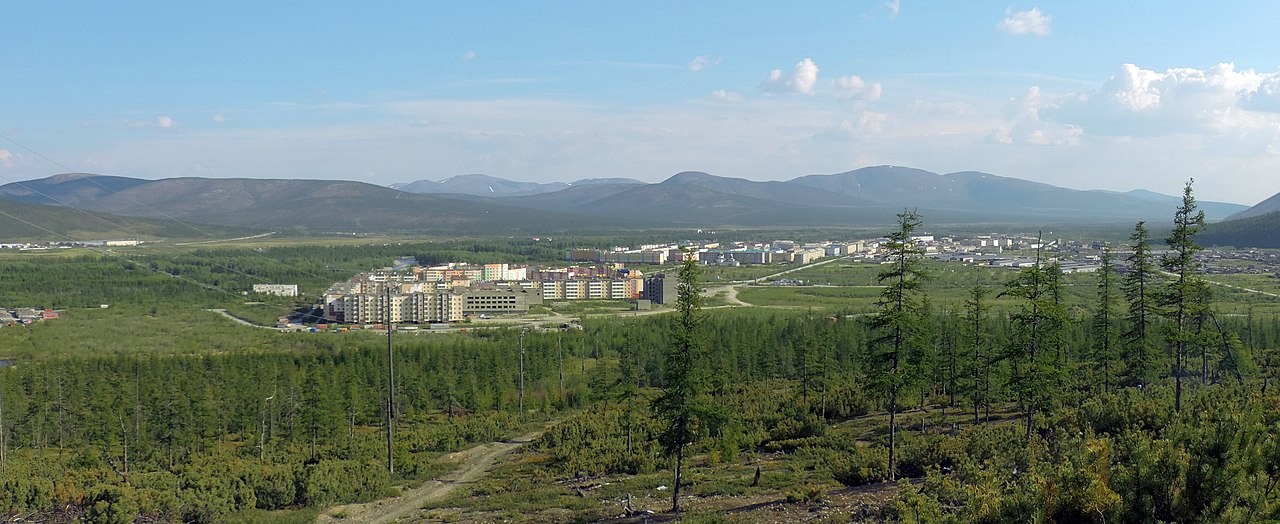
Chukotka Autonomous Okrug is the easternmost of Russia’s 85 federal subjects and one of the most remote regions of the country. It occupies a large Arctic and sub-Arctic territory in the northeastern corner of Asian Russia and is administered as part of the Far Eastern Federal District. The administrative center is the town of Anadyr. The region is characterised by sparse population, long winters, and a landscape dominated by tundra, tundra-steppe and rugged coastal shores.
Image gallery
10 Images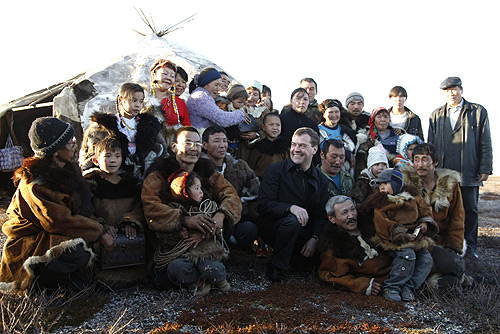



Geography and borders
Chukotka faces the Arctic Ocean and the Bering Sea, including the Chukchi and East Siberian seas along its shores. It shares an international maritime boundary with Alaska across the Bering Strait, and its coastline includes peninsulas and island groups. The physical environment is shaped by permafrost, seasonal sea ice and short summers that support limited vegetation and specialized animal life.
- Location: northeastern Asia; part of the Far Eastern Federal District — see federal subjects: federal subjects of Russia.
- Regional grouping: in the Asian portion of the Russian Federation — Asian part of Russia.
- International border: maritime frontier with Alaska across the Bering Strait and proximity to the United States.
People, culture and economy
The population includes indigenous peoples such as the Chukchi, Siberian Yupik and even groups, alongside ethnic Russians and others. Traditional livelihoods—reindeer herding, marine mammal hunting, fishing and subsistence gathering—remain culturally important. Modern economic activity is limited by the environment but includes mining, transport services, public administration and seasonal resource exploitation. Many communities rely on state support and seasonal deliveries for supplies.
History and development
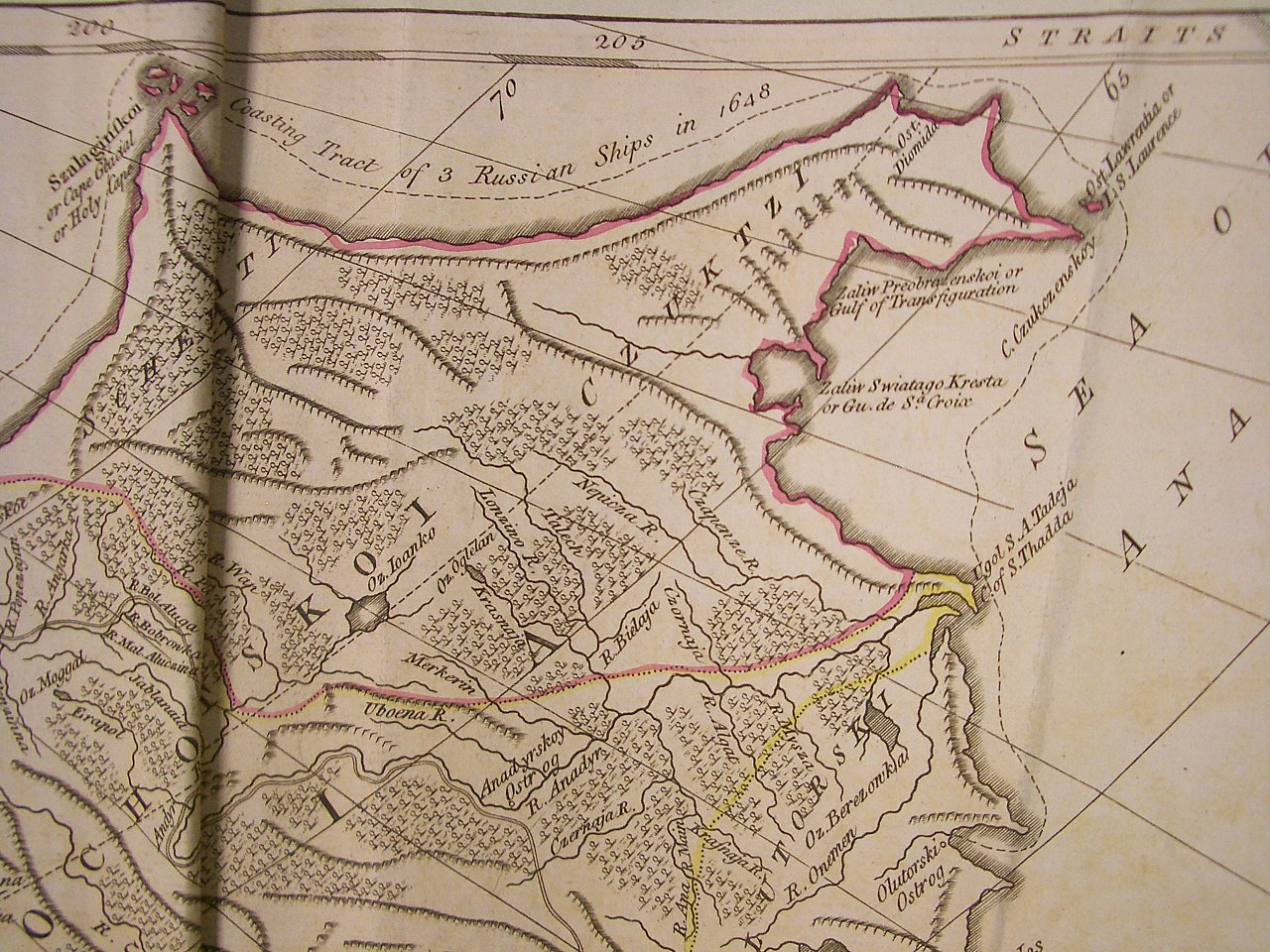
Indigenous peoples have inhabited the region for millennia, adapting to Arctic conditions. Russian exploration reached the area from the 17th century onward, and Chukotka’s integration into the Russian state accelerated in the 19th and 20th centuries. Soviet policies brought administrative restructuring, infrastructure projects and population movements; after the Soviet era the region has continued to balance traditional lifestyles with modern governance and economic pressures.
Environment and notable facts
Chukotka’s ecology supports polar and migratory species—polar bears, walruses, seals and seabird colonies—and it lies on important migratory routes. Permafrost and sea-ice dynamics affect infrastructure, settlement patterns and transport. Its position on the map makes it geopolitically notable as Russia’s nearest neighbour to North America, and its remote communities preserve languages and customs that contribute to Arctic cultural diversity.
Questions and answers
Q: Where is the Chukotka Autonomous Okrug located?
A: The Chukotka Autonomous Okrug is located in the Asian part of Russia.
Q: What is the significance of the Chukotka Autonomous Okrug's location?
A: Chukotka is the farthest east of all 85 federal subjects of Russia.
Q: How is the Chukotka Autonomous Okrug governed?
A: Chukotka is grouped and governed as part of the Far Eastern District, which contains ten other federal subjects too.
Q: What country shares an international sea border with Chukotka?
A: Alaska of the United States shares an international sea border with Chukotka.
Q: How many federal subjects are grouped and governed as part of the Far Eastern District?
A: The Far Eastern District contains ten other federal subjects besides Chukotka.
Q: What is the full name of the region we are discussing?
A: The full name of the region we are discussing is the Chukotka Autonomous Okrug.
Q: In which part of Russia can the Chukotka Autonomous Okrug be found?
A: The Chukotka Autonomous Okrug can be found in the Asian part of Russia.
Related articles
Author
AlegsaOnline.com Chukotka Autonomous Okrug: Russia’s Far Eastern Arctic Region Leandro Alegsa
URL: https://en.alegsaonline.com/art/20282
Sources
- perepis2002.ru : "Территория, число районов, населённых пунктов и сельских администраций по субъектам Российской Федерации (Territory, Number of Districts, Inhabited Localities, and Rural Administration by Federal Subjects of the Russian Federation)"
- ncbi.nlm.nih.gov : "Health and society in Chukotka: an overview"
- whc.unesco.org : "Natural System of Wrangel Island Reserve"
- gks.ru : "Демографический ежегодник России"
- gks.ru : "Population of the Russian Federation by Languages (in Russian)"
- council.gov.ru : "Federation Council Chukotka Autonomous Area"
- bloomberg.com : "Most Charitable Russian Abramovich Leads Billionaires"
- siberiantimes.com : "Russian FSB bans eighty five cruise passengers coming ashore in Chukotka"
- wikidata.org : wikidata.org/wiki/Q7984
- d-nb.info : 4404420-3
- id.loc.gov : n82167588
- uli.nli.org.il : 000996572
- viaf.org : 143096307
- worldcat.org : lccn-n82167588