
Chahar Cheragh Square (Chuar-chira) — Mahabad city center
Central public square in Mahabad, known as Chuar-chira or Shardari/Shahrdari Square. Site of historical events including the 1947 executions after the Republic of Mahabad and later political demonstrations.
Overview
Chahar Cheragh Square, often written Chuar-chira and known in Kurdish as چوارچرا and in Persian as میدان چهارچراغ, is the principal public plaza in the city of Mahabad. The name is commonly translated as “Square of the Four Candles.” Located in the urban core, the square has long functioned as a focal point for municipal life, commercial activity and public gatherings. It is officially referred to by the municipal name Shardari or Shahrdari Square in many local records and maps.
Image gallery
2 Images
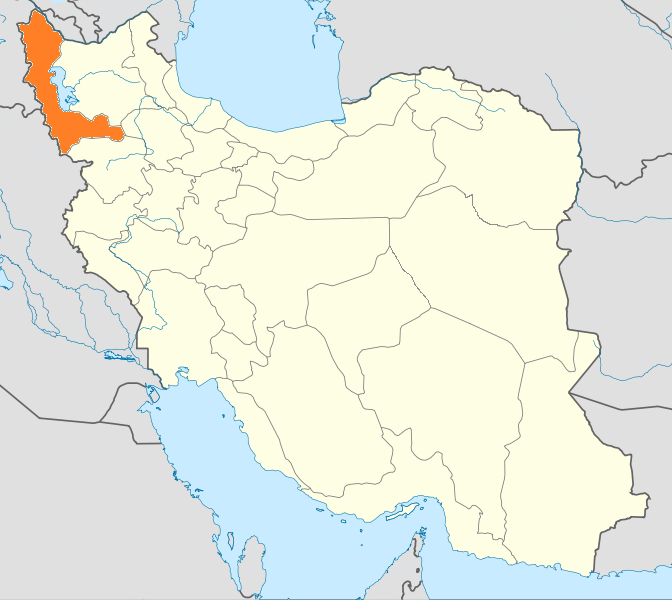
Names and location
The place is known by multiple names in Kurdish, Persian and in various English transliterations, reflecting the city’s multilingual environment. The municipal designation emphasizes its role adjacent to city hall and civic services, while the traditional name remains in everyday use. The square’s central position within Mahabad makes it a regular route for markets, processions and daily movement through the city.
Historical significance: 1946–1947
Chahar Cheragh Square is most widely remembered for events that followed the short-lived Republic of Mahabad. After Iranian forces reasserted control in the late 1940s, the republic’s leaders were tried and several were executed in public places in Mahabad and surrounding towns. Among the most prominent figures executed was the republic’s president, Qazi Muhammad. These episodes are a central element of the square’s modern historical memory and are frequently cited in accounts of Kurdish political history in the region.
Later 20th and early 21st century events
The square continued to be used for political demonstrations, commemorations and public ceremonies in subsequent decades. In 2005 the Kurdistan Democratic Party of Iran reported a large demonstration in Mahabad centered on the square after the death of Shivan Qaderi, an event that drew widespread attention and underscored continuing tensions between local communities and national authorities. Accounts of that period also refer to related events in nearby towns such as Bukan.
Role in civic life
Today Chahar Cheragh / Shardari Square serves several overlapping functions. It is an everyday urban space where markets, small vendors and municipal services meet the flow of traffic and pedestrians. It is also a ceremonial site for official events, local commemorations and religious or cultural gatherings. For residents the square often serves as a meeting point, a landmark and a place of memory where public and private histories intersect.
Memory and commemoration
For historians, activists and visitors, the square is frequently discussed as a location where memory is publicly performed. Plaques, informal memorial practices and oral histories keep the memory of the 1940s events alive alongside later protests. Local commemorations sometimes combine cultural and political elements, reflecting the layered nature of the square’s significance for different groups within Mahabad.
Research and visiting
Researchers approaching Chahar Cheragh Square are advised to consider both its physical layout and its symbolic meanings: the square’s architecture, adjacent municipal buildings and market activity provide context for its social functions, while recorded testimonies and contemporary reporting illuminate its political history. For further background on the period of the republic and the military intervention that followed, see contemporary accounts and historical summaries of the Iranian intervention in 1947 (state intervention 1947).
- Alternate names: Chahar Cheragh, Chuar-chira, Shardari/Shahrdari Square.
- Historic events: Executions after the fall of the Republic of Mahabad; later demonstrations, including those reported after the death of Shivan Qaderi.
- Role today: Market and transit hub, municipal ceremonies, site of memory and public protest.
Questions and answers
Q: What is Chahar Cheragh Square?
A: Chahar Cheragh Square is a well-known square located in the center of Mahabad, Iran.
Q: What does the name "Chahar Cheragh" mean?
A: It means "Square of the four candles" in Persian.
Q: What happened in Chahar Cheragh Square after the Iranian invasion in 1947?
A: After the Iranian invasion in 1947, Qazi Muhammad, the president of Republic of Mahabad, and other leaders of the republic in Mahabad and Bukan were publicly hanged in Chahar Cheragh Square.
Q: What is the current name of Chahar Cheragh Square?
A: The current official name of Chahar Cheragh Square is Shardari Square.
Q: Is Chahar Cheragh Square an important historical site in Mahabad?
A: Yes, Chahar Cheragh Square is one of the oldest places in Mahabad city and has significant historical significance due to the events that occurred there after the Iranian invasion.
Q: Why did 50,000 people protest in Chahar Cheragh Square in 2005?
A: According to the Kurdistan Democratic Party of Iran, the protest was against the Iranian government due to the death of Shivan Qaderi.
Q: What is the Kurdish name for Chahar Cheragh Square?
A: The Kurdish name for Chahar Cheragh Square is "Chwar Chira".
Related articles
Author
AlegsaOnline.com Chahar Cheragh Square (Chuar-chira) — Mahabad city center Leandro Alegsa
URL: https://en.alegsaonline.com/art/20248