
Christmas 1994 nor'easter
A strong coastal cyclone that developed in the Gulf of Mexico and moved up the U.S. East Coast in late December 1994, bringing heavy snow, coastal flooding, high winds and major holiday travel disruptions.
Overview
The Christmas 1994 nor'easter was a powerful coastal cyclone that affected the East Coast of the United States and Atlantic Canada during the holiday period. It is remembered for its timing around Christmas and for producing a mix of heavy snow inland and storm surge and erosion along the coastline. Forecasters tracked its evolution from a southern origin into a classic nor'easter pattern.
Image gallery
5 Images


Meteorological development
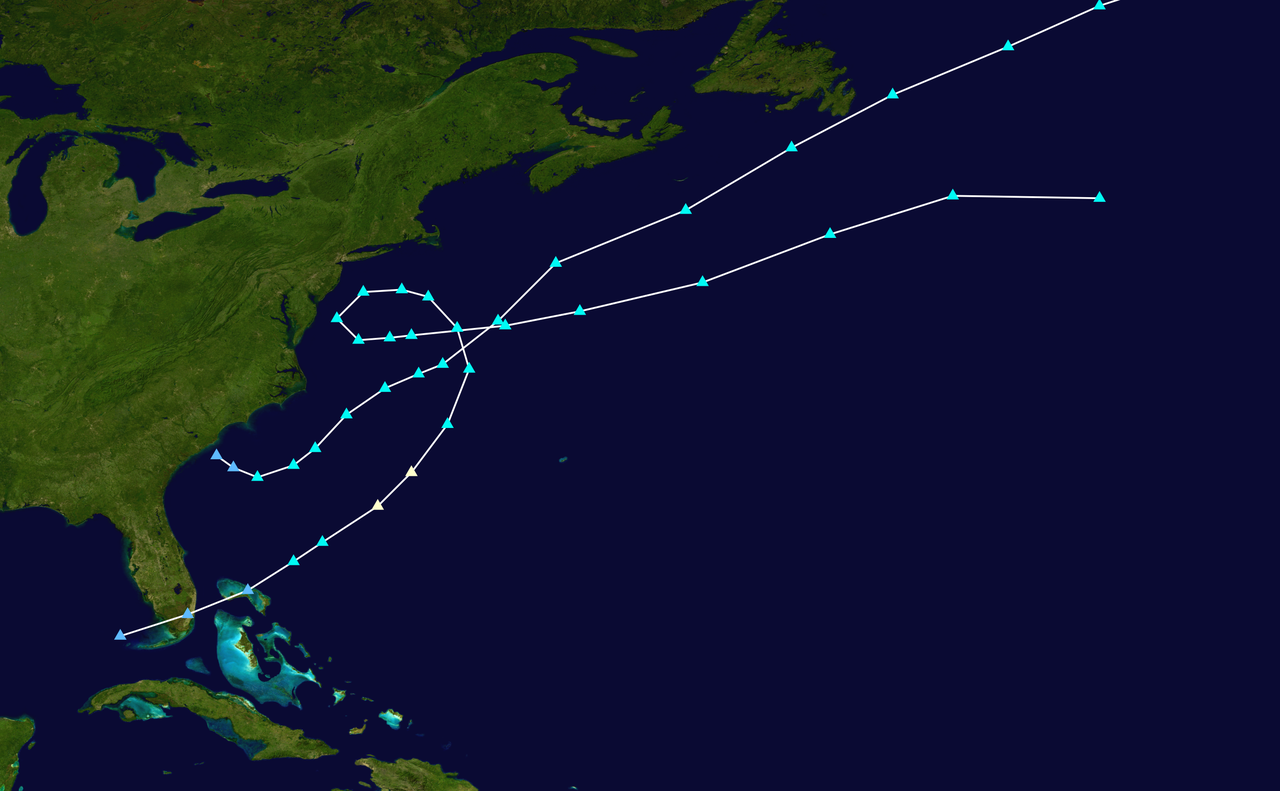
The storm formed from an area of low pressure located in the southeast Gulf of Mexico, near the Florida Keys. That low moved across Florida, then redeveloped off the southeastern seaboard. Interaction with colder air over the Mid-Atlantic and New England allowed the coastal system to intensify into a nor'easter, a type of storm that brings persistent northeasterly winds and precipitation to the coast (cyclone).
Impacts
The cyclone produced a range of hazards: heavy, sometimes locally significant snowfall inland; strong winds and coastal storm surge that led to flooding and beach erosion; and widespread disruption of travel and holiday plans. Power outages and downed trees occurred in several states and provinces, while maritime interests faced hazardous seas.
Notable aspects and legacy
The event is often cited in seasonal storm summaries because it combined a Gulf-origin low with rapid coastal development at a time of year when holiday travel peaked. It illustrates how relatively small southern lows can redevelop offshore and become major winter coastal storms. Post-storm assessments emphasized forecasting improvements and preparedness for coastal flooding during winter holidays.
Typical effects of nor'easters
- Heavy snow inland and mixed precipitation closer to the coast.
- Coastal flooding, beach erosion and wave damage.
- High winds causing outages and structural damage.
- Major disruptions to transportation and commerce.
For contemporary reports and meteorological analyses, see archived weather summaries and regional storm reviews that document the storm's timing, track and observed impacts.
Questions and answers
Q: What was the Christmas 1994 nor'easter?
A: The Christmas 1994 nor'easter was a powerful cyclone that affected the East Coast of the United States and Atlantic Canada.
Q: Where did the Christmas 1994 nor'easter develop from?
A: The Christmas 1994 nor'easter developed from an area of low pressure in the southeast Gulf of Mexico near the Florida Keys.
Q: Did the Christmas 1994 nor'easter only affect the United States?
A: No, the Christmas 1994 nor'easter also affected Atlantic Canada.
Q: How strong was the Christmas 1994 nor'easter?
A: The Christmas 1994 nor'easter was a strong cyclone.
Q: What path did the Christmas 1994 nor'easter take?
A: The Christmas 1994 nor'easter moved across the state of Florida.
Q: When did the Christmas 1994 nor'easter occur?
A: The Christmas 1994 nor'easter occurred in 1994, during the Christmas season.
Q: Was the Christmas 1994 nor'easter a common weather event?
A: The Christmas 1994 nor'easter may have been a common weather event for the East Coast of the United States and Atlantic Canada.
Related articles
Author
AlegsaOnline.com Christmas 1994 nor'easter Leandro Alegsa
URL: https://en.alegsaonline.com/art/20144
Sources
- docs.lib.noaa.gov : "Daily Weather Maps: December 19–25, 1994"
- weatheranswer.com : "Weatherwise, December 1995 vol. 48 # 6"
- usatoday.com : "1991's 'perfect storm' a hybrid hurricane"
- www4.ncdc.noaa.gov : "High Wind Event Record Details for New York"
- www4.ncdc.noaa.gov : "High Wind Event Record Details for New York (2)"