
Christian metal: origins, style, notable bands and cultural significance
Christian metal is a strand of heavy metal music defined by Christian-themed lyrics and performers who identify as Christians; it spans metal subgenres and has roots in late-20th-century evangelism.
Overview
Christian metal is a form of heavy metal music performed by artists who identify as Christian. It is defined primarily by lyrical content and intention rather than a single musical template: bands in this category range from traditional metal sounds to extreme and experimental styles. Some groups present explicitly devotional songs directed toward Jesus or biblical themes, while others explore questions of faith, morality and hope within the aesthetic vocabulary of metal.
Image gallery
10 Images


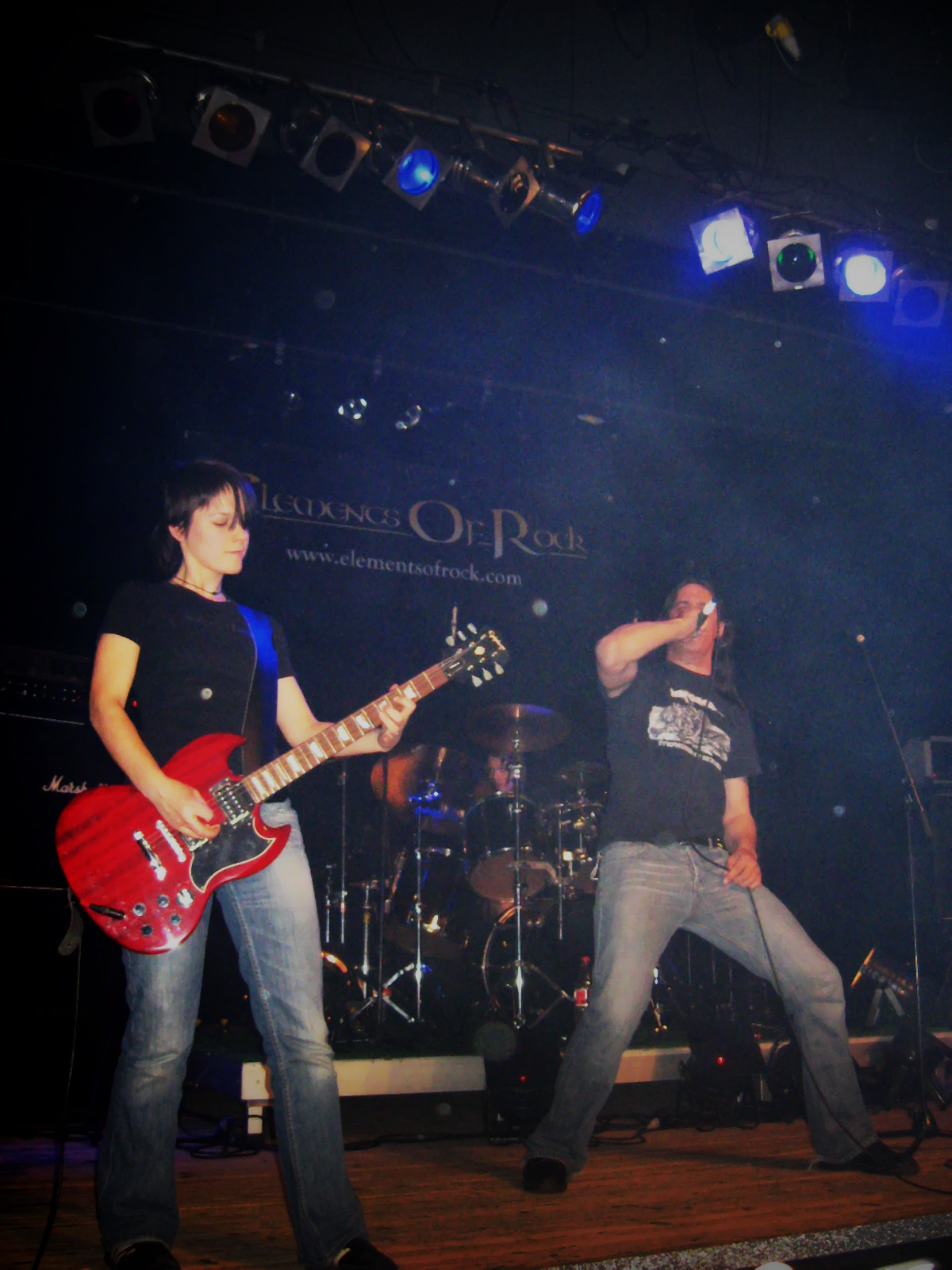


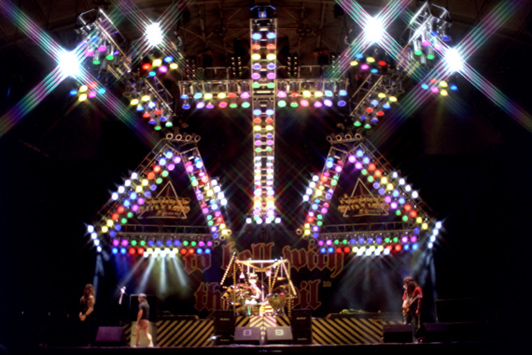

Characteristics
The most consistent attribute of Christian metal is its lyrical emphasis. Musically, Christian metal bands work within the same technical and stylistic boundaries as their secular counterparts, including distorted guitars, aggressive drumming, melodic passages and varied vocal approaches. Common features include:
- Lyrics that reference Christian beliefs, testimony, or ethical themes, often reframing genre motifs like struggle or darkness in a spiritual context.
- Use of conventional metal subgenre traits—glam, thrash, death, black, doom, power, and metalcore—paired with explicitly faith-oriented messages.
- Distribution and support networks that may overlap with mainstream channels but also rely on faith-based labels, festivals and media to reach audiences.
History and development
Christian metal began to coalesce in the late 1970s and early 1980s as musicians sought to engage heavy music audiences with Christian perspectives. Early practitioners combined evangelical aims with the sonic language of metal as a way to reach younger listeners and those attracted to louder, more aggressive musical forms. The movement gained higher visibility in the 1980s when some bands achieved mainstream exposure, and it continued to diversify in the 1990s and 2000s as new subgenres and scenes formed.
Notable bands and scenes
Because Christian metal spans many styles, notable acts are equally varied. Pioneering and influential names associated with the movement include bands that helped establish the style and those that later brought it attention in different eras. Examples often cited in histories of the genre include early pioneers as well as groups that reached broader audiences: Stryper, Resurrection Band, Jerusalem, California-based acts like Tourniquet, and heavier acts such as Mortification. In later decades, metalcore and post-hardcore bands including As I Lay Dying, Underoath and Demon Hunter contributed to renewed public interest.
Cultural role and reception
Christian metal occupies a distinctive place at the intersection of religious identity and subcultural belonging. For many listeners it provides an alternative to otherwise secular scenes, offering a way to enjoy the intensity of metal while maintaining a faith-centered outlook. Scholars and commentators have described the movement as a marginal but transnational subculture that creates community and articulates Christian identity through a heavy-music aesthetic. Critics and some mainstream metal fans have varied in their responses; some embrace the artistic contributions, while others question the compatibility of metal's traditional themes with explicit religious messages.
Purpose, distribution and distinctions
Christian metal often functions as both ministry and artistic expression. Early proponents framed the music as a tool of evangelism, while later artists balanced commercial ambitions with spiritual statements. Production and dissemination can occur through ordinary record labels and concert circuits, but many bands also work with faith-based labels or networks and are produced and promoted within Christian media ecosystems. The distinction between Christian and secular metal is commonly made on the basis of intent and lyrical content rather than musical technique; some bands resist strict labeling, and audiences sometimes judge groups by both faith claims and artistic merit. Debates over authenticity, outreach, and artistic freedom continue to shape how Christian metal is understood by musicians, fans and observers across different scenes and eras.
For further reading and band profiles, see resources that cover heavy music movements and faith-based musical projects; more detailed histories examine how individual groups navigated mainstream exposure and underground scenes while negotiating religious identity in a loud and often confrontational genre.
heavy metal | Christian | band | Jesus | produced | subculture | secular | evangelism | Stryper | As I Lay Dying
Questions and answers
Q: What is Christian metal?
A: Christian metal, also known as 'white metal', is a form of heavy metal music which a Christian band makes to praise Jesus. It typically performed by professed Christians and often produced and distributed through various Christian networks.
Q: What are the common links between most Christian metal bands?
A: The only common link between most Christian metal bands are the lyrics, which have Christian themes melded with the subjects of the genre that the band is rooted in.
Q: When did Christian metal emerge?
A:Christian metal emerged in the late 1970s as a means of evangelism to the wider heavy metal music scene.
Q: Who were some pioneers of this movement?
A:The American Resurrection Band and Swedish Jerusalem were some pioneers of this movement.
Q: Who brought mainstream attention to this movement in the first decade of 21st century?
A: Metalcore groups such as Underoath, Demon Hunter, As I Lay Dying, and Norma Jean (dubbed by Revolver Magazine as "The Holy Alliance") brought some mainstream attention to this movement in the first decade of 21st century.
Q: What purpose does it serve?
A: It has been argued that it provides its core members an alternative religious expression and Christian identity, and that the music serves the purpose of offering a positive alternative or counterbalance to secular metal music which is known for its generally dark and negative message.
Q:What was Stryper's achievement during 1980s ?
A:Stryper achieved wide success in 1980s , otherwise genre was mostly ignored by mainstream .
Related articles
Author
AlegsaOnline.com Christian metal: origins, style, notable bands and cultural significance Leandro Alegsa
URL: https://en.alegsaonline.com/art/20094