
Alappuzha (Alleppey) — coastal city and backwater hub in Kerala, India
Alappuzha (Alleppey) is a coastal city in Kerala, India, known for its backwaters, houseboats (kettuvallams), coir industry, annual boat races and as the administrative centre of Alappuzha district.
Overview
Alappuzha, often referred to by its anglicized name Alleppey, is a coastal city in the state of Kerala in India. It serves as the administrative centre and headquarters of the Alappuzha district. The city is situated on the shores of the Laccadive Sea and is famed for an extensive network of inland canals, lagoons and backwaters that define its landscape and economy. Alappuzha is widely promoted as a major regional tourist attraction and gateway to Kerala's backwater tourism.
Image gallery
10 Images
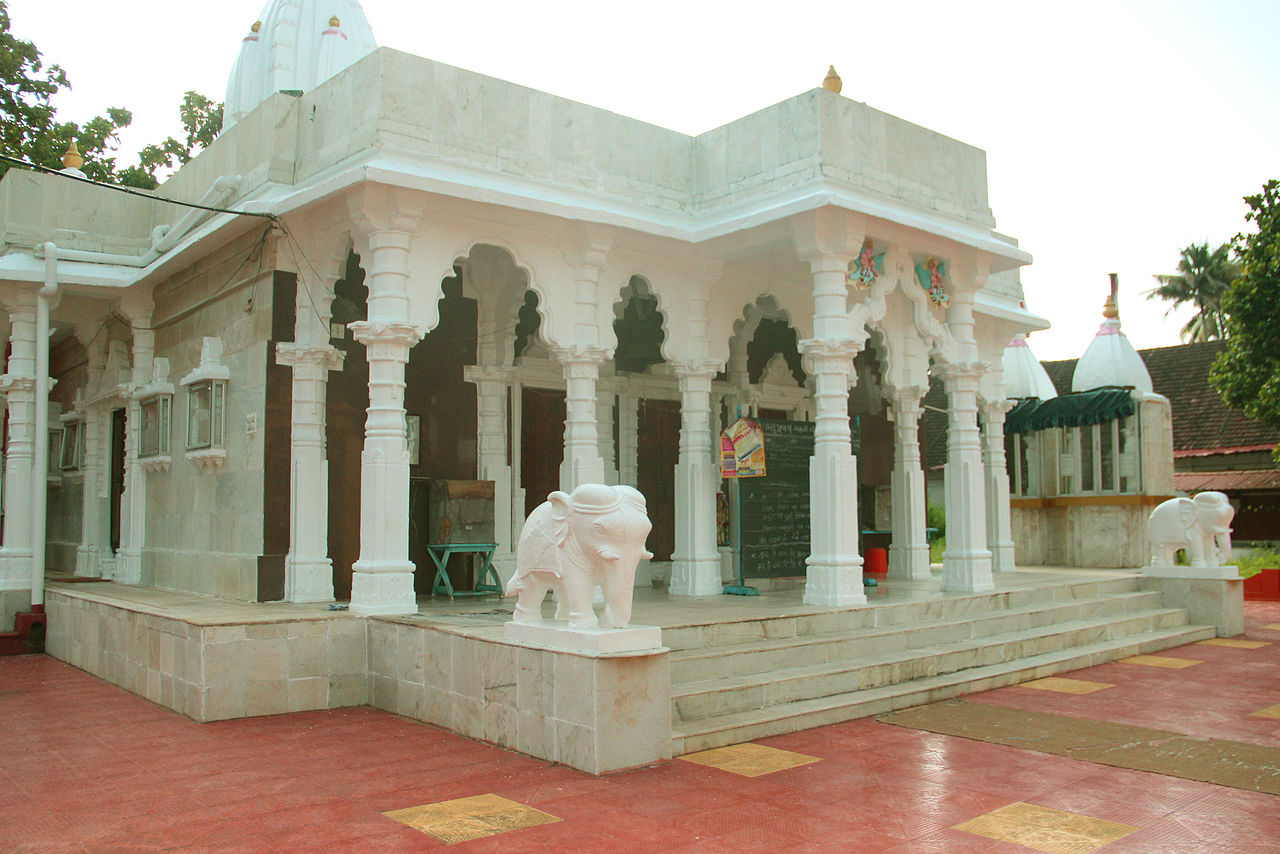


Geography and environment
Alappuzha lies in a low-lying coastal plain crisscrossed by rivers, tidal lakes and man-made canals. These waterways support fisheries, rice cultivation and the distinctive houseboat tourism that attracts visitors from around the world. The coastal stretch includes sandy beaches and mangrove-lined estuaries; wetlands in and around the city are ecologically important and are subject to ongoing conservation and water-management efforts.
History and urban planning
Historically a trading and transport centre, Alappuzha is often described as one of the earlier planned towns in the region, with a grid-like layout of streets and canals designed to facilitate commerce and navigation. The town's planning and canal modifications reflect centuries of human intervention to support inland navigation, agriculture and salt and coir-related industries. Its urban form is commonly discussed in regional accounts of coastal settlement and urban history.
Economy and industry
The local economy combines tourism, traditional industries and fishing. Alappuzha has long been associated with the coir sector—the processing of coconut husk into ropes, mats and other products—and with allied cottage industries. The backwaters support boat-building, inland fisheries and aquaculture. Tourism based on houseboat cruises (kettuvallams), birdwatching, and heritage walks has grown to become a key source of income for many residents.
Transport and access
Transport links include an established railway station on the Southern Railway network, road connections to nearby towns and a network of boat services that remain an important local means of travel. Visitors commonly reach Alappuzha by rail or road from other parts of Kerala and from airports in the broader region; water transport continues to play a central role in daily life and commerce.
Culture, festivals and tourism
Alappuzha is renowned for its vibrant cultural calendar. The annual Vallam Kali (snake boat) races—most famously the Nehru Trophy Boat Race on Punnamada Lake—draw large crowds and are a prominent feature of local identity. The city also hosts temple festivals, local markets and craft demonstrations where visitors can see coir-making and traditional boat construction. Houseboat stays, backwater cruises and beach promenades are primary attractions for tourists.
Recognition and conservation
Alappuzha is often mentioned in discussions of coastal urban management and backwater tourism. In recent years civic and environmental groups have highlighted efforts to improve sanitation and waste management; for example, studies and reports have drawn attention to its comparative cleanliness among towns in India. Ongoing challenges include balancing tourism growth with wetland conservation and sustainable water use.
Further information
- Administrative and district resources: Alappuzha district, municipal pages and local governance portals provide official information.
- Tourist guidance and services: brochures and travel guides referenced via regional tourism pages tourist information offer practical visitor advice.
- Contextual resources on Kerala and coastal studies: see state-level summaries on Kerala and national overviews on India, plus administrative links for municipal administration and civic headquarters.
- Discussion of urban design and water management: regional treatments of urban history and maritime geography provide scholarly context, while coastal environment pages link to broader maritime and sea-surface context Laccadive Sea.
Alappuzha offers a compact case study of how waterways, traditional livelihoods and modern tourism coexist in a heavily settled coastal landscape. For practical planning, conservation and visitor details consult official district and tourism portals, municipal notices and trusted regional guides.
Questions and answers
Q: Where is Alappuzha located?
A: Alappuzha is located in the coastal region of Laccadive Sea in Kerala, India.
Q: What is Alappuzha known for?
A: Alappuzha is known as the oldest planned city in the region and is one of the most popular tourist attractions in Kerala.
Q: What is the administrative status of Alappuzha?
A: Alappuzha is the administrative headquarters of the Alappuzha district.
Q: What is the rating given by the Centre for Science and Environment to Alappuzha?
A: In 2016, the Centre for Science and Environment rated Alappuzha as the top cleanest town in India.
Q: What is the significance of being the top cleanest town in India?
A: Being rated as the top cleanest town in India means that Alappuzha has effectively implemented waste management and cleanliness measures, making it an attractive destination for tourists and a healthier place to live in.
Q: Why is Alappuzha popular among tourists?
A: Alappuzha's popularity among tourists could be attributed to its scenic beauty, backwaters, beaches, historic buildings, houseboats, and local cuisine.
Q: What is the strategic importance of Alappuzha's location?
A: Alappuzha's location on the coast of the Laccadive Sea gives it access to both the sea and backwaters that connect several canals, rivers, and lakes, enhancing its cultural and commercial significance.
Related articles
Author
AlegsaOnline.com Alappuzha (Alleppey) — coastal city and backwater hub in Kerala, India Leandro Alegsa
URL: https://en.alegsaonline.com/art/1999
Sources
- timesofindia.indiatimes.com : "Alappuzha, Panaji and Mysuru cleanest cities in India: CSE survey - Times of India"
- census2011.co.in : "Alappuzha City Population Census 2011 - Kerala"
- censusindia.gov.in : "Provisional Population Totals, Census of India 2011"
- keralatourism.org : "Alappuzha"
- mapsofindia.com : "Places to Visit and Tourist Destinations in India"