
Chlorophyta (green algae): diversity, biology, and ecological roles
Chlorophyta, commonly called green algae, are a diverse group of photosynthetic eukaryotes. This article summarizes their features, habitats, life cycles, ecological roles, and significance to science and society.
Overview
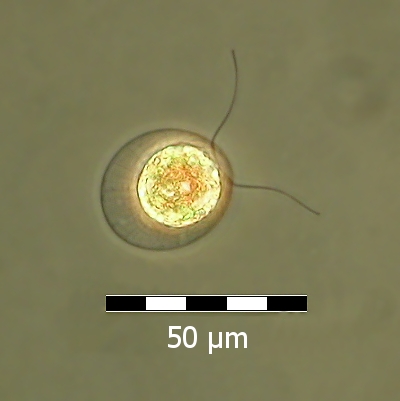
Chlorophyta are a major group of photosynthetic organisms often referred to as green algae. They comprise a large and varied assemblage of primarily aquatic eukaryotes, with an estimated number of species commonly cited near 7,000. Members of this group contain chlorophylls a and b, and they store reserve carbohydrates as starch within their plastids, traits they share with land plants. As eukaryotes, their cells possess true nuclei and other membrane-bound organelles (eukaryote).
Image gallery
10 Images


Key characteristics
- Photosynthetic pigments: chlorophyll a and b, plus various accessory pigments that affect color and light capture.
- Reserve product: starch stored inside plastids (plastids).
- Cell walls: often composed mainly of cellulose, sometimes with additional compounds.
- Motility: many species are flagellate in at least one stage of their life cycle, possessing two or more flagella of characteristic structure.
- Morphology: ranges from single-celled and colonial forms to filamentous and complex multicellular thalli.
Diversity, relationships, and habitats
Chlorophyta display great ecological breadth. While many species inhabit freshwater systems, a large and diverse set occur in marine environments. Others are adapted to soils, tree bark, caves, or seasonal snowfields—the red-pigmented snow phenomenon known as watermelon snow is caused by species such as Chlamydomonas nivalis. Some chlorophytes live attached to rocks or plant surfaces, and certain taxa enter symbiotic partnerships to form lichens. They also form associations with other organisms: symbioses with protozoa, sponges, and cnidarians have been documented, often contributing photosynthate to their hosts (symbiotic relationships).
Evolution and classification
Chlorophyta are related to the Charophyceae (charophytes) and, together with them, form the green plant clade often called Viridiplantae. Molecular studies have reshaped how scientists classify green algae, distinguishing several major lineages and clarifying which groups are more closely allied to terrestrial plants. Different scholarly treatments sometimes use the name Chlorophyta in slightly different senses, so context is important when consulting older or specialized literature.
Life cycles and reproduction
Reproductive modes in Chlorophyta are varied. Many undergo both asexual reproduction (for example by cell division, zoospores, or fragmentation) and sexual reproduction: mating systems range from isogamy to oogamy. Sexual processes and alternation of generations are present in several groups and may involve motile gametes or non-motile gametes depending on the lineage (sexual reproduction).
Ecological and human importance
As primary producers, chlorophytes contribute substantially to oxygen production and carbon fixation in many aquatic ecosystems, serving as the base of food webs. They are used as model organisms in cell and molecular biology (for instance, genera such as Chlamydomonas), and some species are cultivated for biomass, nutritional supplements, wastewater treatment, or potential biofuel feedstocks. Additionally, their sensitivity to environmental change makes certain taxa useful as bioindicators of water quality.
Notable facts and distinctions
- Chlorophyta include both simple unicellular algae and complex multicellular forms such as sea lettuce (genus Ulva).
- Many life-history features and cellular traits are shared with land plants, reflecting their close evolutionary relationship.
- Taxonomic concepts have evolved: modern classifications often rely on molecular data to resolve relationships among green algal groups.
For further reading on morphology, ecology, and classification, consult specialist treatments and databases that focus on algal diversity and systematics (general overview, species estimates, and habitat references such as aquatic ecology resources). Additional technical or conservation information is available through academic reviews and regional algal floras (cell biology, photosynthetic pigments, storage compounds, and ecological symbioses here).
Questions and answers
Q: What are Chlorophyta?
A: Chlorophyta are a division of green algae, containing about 7,000 species of mostly aquatic photosynthetic eukaryotic organisms.
Q: What pigments do green algae contain?
A: Like land plants, green algae contain chlorophylls a and b.
Q: How do green algae store their food?
A: Green algae store their food as starch in their plastids.
Q: What is the relationship between Chlorophyta, Charophyceae, and land plants?
A: Chlorophyta and Charophyceae, together with land plants, make up the Viridiplantae.
Q: Where do most species of Chlorophyta live?
A: Most species of Chlorophyta live in freshwater habitats and a large number in marine habitats.
Q: What is watermelon snow?
A: Watermelon snow, or Chlamydomonas nivalis, is a species of Chlorophyta that lives on summer alpine snowfields.
Q: What are some symbiotic relationships that Chlorophyta have?
A: Members of Chlorophyta form symbiotic relationships with protozoa, sponges, cnidarians, and some lichens.
Related articles
Author
AlegsaOnline.com Chlorophyta (green algae): diversity, biology, and ecological roles Leandro Alegsa
URL: https://en.alegsaonline.com/art/19899
Sources
- algaebase.org : "Phylum: Chlorophyta taxonomy browser"
- books.google.com : Algae An Introduction to Phycology · webcitation.org
- encarta.msn.com : encarta.msn.com/media_461543986/Major_Algae_Phyla.html