
Chinon — historic town of the Loire Valley
Chinon is a historic subprefecture in Indre-et-Loire, France, famed for its medieval castle, Loire Valley setting and red wines. It combines architectural heritage, viticulture and links to Joan of Arc.
Chinon is a French commune located in the west of Indre-et-Loire. Administratively it belongs to the department of Indre-et-Loire within the Centre-Val de Loire region. The town lies to the southwest of Paris and serves as a subprefecture, acting as the seat of its arrondissement and the administrative centre of the local canton. Chinon’s location in the great river landscape makes it part of the broader Loire Valley cultural area.
Image gallery
10 Images


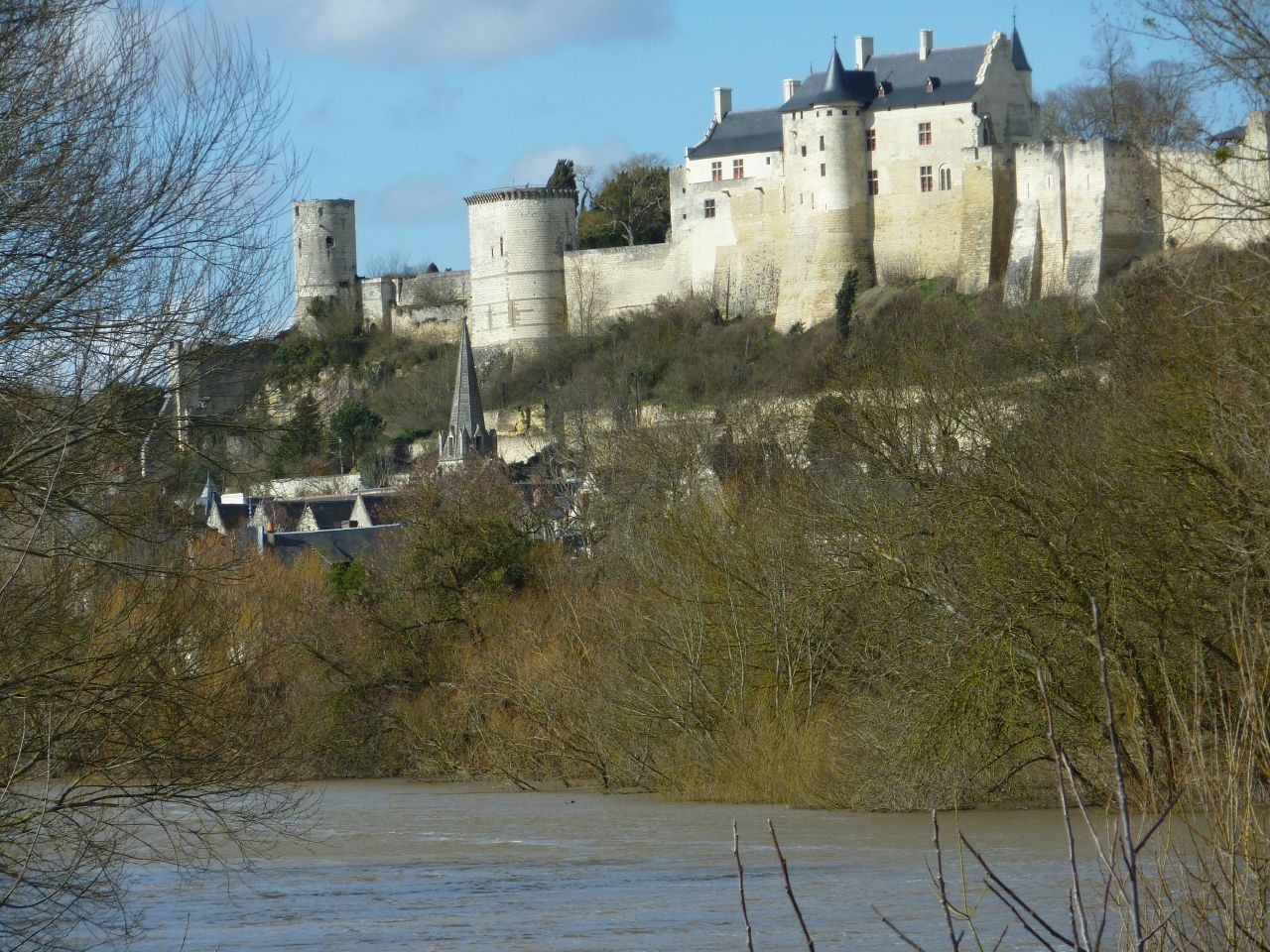


Geography and urban character
The town occupies a hillside and riverbank setting where the smaller Vienne flows toward the Loire. Narrow medieval streets rise from quays and riverside terraces to reach the ruins of the old fortress that dominates the skyline. Chinon combines compact historic neighbourhoods with vineyards on the surrounding slopes; the townscape preserves timber-framed houses, stone façades and vestiges of defensive walls.
History and heritage
Chinon’s history is visible in its layers of architecture. The hilltop keeps and the Château de Chinon date from the Middle Ages and were important seats for regional rulers and for Plantagenet kings. The town is also remembered for a meeting between Joan of Arc and the future Charles VII in 1429, an episode often cited in accounts of the Hundred Years’ War. Over centuries Chinon developed as a market town, river port and defensive stronghold.
Economy, wine and culture
Viticulture is central to Chinon’s identity. The surrounding hills produce wines classified under the Chinon AOC, most famously red wines made from Cabernet Franc and other varieties; wine remains both an agricultural product and a cultural attraction. Tourism is also important: visitors come for the castle, historic centre, riverside walks and regional gastronomy. Local festivals and museums interpret the town’s medieval past and winemaking traditions.
Sights and visitor highlights
- Château de Chinon — sprawling medieval fortress with towers, ramparts and views over the valley (see castle).
- Old town — lanes, churches and timber-framed houses that reflect centuries of urban life.
- Riverfront — quays and promenades beside the Vienne and Loire landscapes.
- Wineries and tasting rooms — producers offering tastings of classic wine styles from the appellation (Chinon AOC).
Chinon lies within the Loire Valley area that is recognized by UNESCO for its cultural landscape, which highlights the interaction of rivers, vineyards, towns and châteaux. Today the town is appreciated both for its role in French history and for the living traditions—especially winemaking and hospitality—that continue to shape daily life. Practical visits typically combine historical touring with wine tasting; many guidebooks and local authorities provide routes and seasonal information for visitors and researchers (commune information, administrative resources).
Questions and answers
Q: Where is Chinon located?
A: Chinon is located in the west of the Indre-et-Loire department in the Centre-Val de Loire region, to the southwest of Paris.
Q: What type of commune is Chinon?
A: Chinon is a French commune.
Q: What role does it play within its department?
A: Chinon is a subprefecture in the department and also serves as the capital of the arrondissement of Chinon and administrative centre of the Chinon canton.
Q: Is there anything special about its location?
A: Yes, it is situated in the valley of the Loire river which has been registered as a UNESCO World Heritage Site since 2000.
Q: How far away from Paris is it?
A: It is located to the southwest of Paris.
Q: Does it have any other titles or roles within its region?
A: Yes, it serves as both a subprefecture and capital for its department and arrondissement respectively, as well as being an administrative centre for its canton.
Related articles
Author
AlegsaOnline.com Chinon — historic town of the Loire Valley Leandro Alegsa
URL: https://en.alegsaonline.com/art/19795
Sources
- ville-chinon.com : "Le conseil municipal"
- insee.fr : "Commune de Chinon (37072) - Comparateur de territoire"
- map-france.com : "The city of Chinon"
- annuaire-mairie.fr : "Ville de Chinon"
- habitants.fr : "Indre-et-Loire"
- insee.fr : "Régions, départements, arrondissements, cantons et communes"