
China Airlines Flight 611: 2002 mid‑air breakup over the Taiwan Strait
Overview of the China Airlines Flight 611 accident in 2002, its causes, investigation findings and safety consequences following the in‑flight breakup of a Boeing 747.
China Airlines Flight 611 was a scheduled international passenger route operating between Taipei and Hong Kong. On 25 May 2002 the Boeing 747-209B operating the flight experienced a catastrophic structural failure about 25 minutes after takeoff, broke apart in flight over the Taiwan Strait and crashed into the sea. All 225 people on board were killed. The event is remembered as one of the deadliest aviation accidents in the region and prompted a detailed safety investigation.
Image gallery
6 Images


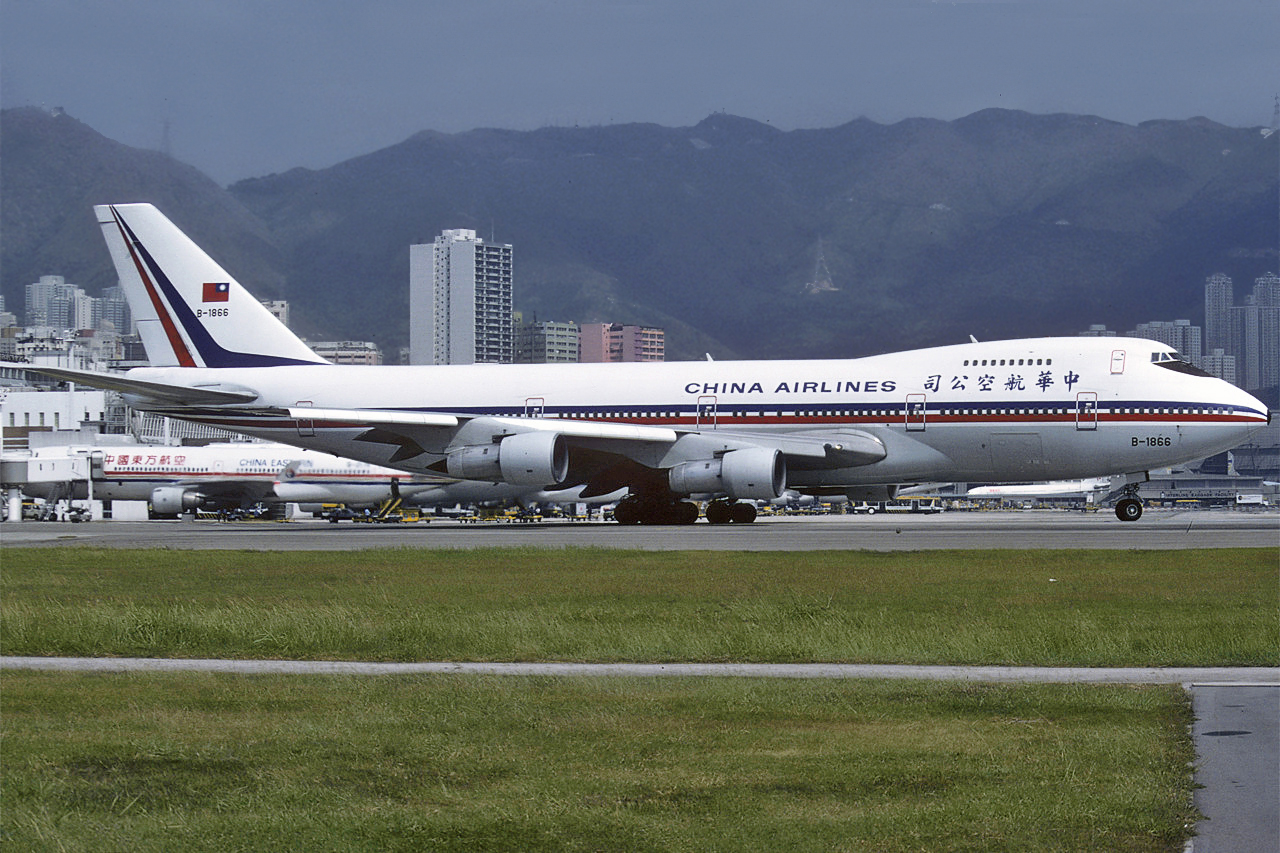

Aircraft, route and timeline
The airliner was a Boeing 747 variant commonly used on regional international services. It departed Taiwan on the scheduled route to Hong Kong, crossing over waters administered by China and other nearby jurisdictions before the accident. Radio contact and routine tracking continued until a sudden loss of signal roughly 25 minutes after departure. Wreckage and human remains were later recovered from the Taiwan Strait, confirming an in‑flight breakup rather than a controlled ditching.
Investigation and technical findings
The formal investigation concluded that the initiating factor was progressive metal fatigue in the rear fuselage. Examiners traced the fracture to a region that had been repaired 22 years prior after a tailstrike incident. The repair did not follow the manufacturer’s approved procedures, and over time repeated pressurization cycles produced cracks that propagated until a rapid decompression and structural failure occurred. The accident report documents how a combination of flawed repair technique and insufficient inspection allowed the defect to grow unnoticed.
Consequences and safety lessons
The crash led to recommendations for stricter oversight of aircraft maintenance records, improved inspection methods for older repairs, and better documentation standards for major structural work. Regulators, airlines and manufacturers emphasized the need to verify that repairs conform to approved designs and to track service history closely, especially on aging aircraft fleets. The event remains a case study in how a single improper repair can, decades later, lead to catastrophic failure.
Notable facts and context
- All 225 occupants aboard were killed when the aircraft broke apart mid‑flight.
- The underlying problem was metal fatigue originating at a prior repair, not a sudden external event.
- The accident prompted regulatory and industry responses focused on aging aircraft and repair quality.
- For more detailed records and the official findings, see the formal investigation report and contemporary coverage of the airplane model.
Readers seeking primary documents and technical annexes can consult the official inquiry and related materials published by aviation authorities and safety boards. Background on the flight path and operating airline is available through airline and aviation references; archival reporting and follow‑up safety bulletins also provide context on the accident’s influence on maintenance practices. Further background about the route and regional traffic patterns can be found via resources on international routes and airport operations in Taipei and Hong Kong. Additional regulatory updates and safety advisories issued after the accident remain available from national aviation authorities and industry bodies in the region.
Questions and answers
Q: What type of flight was China Airlines Flight 611?
A: China Airlines Flight 611 was a scheduled international passenger flight from Taipei to Hong Kong, China.
Q: When did the accident happen?
A: The accident happened on May 25, 2002.
Q: How long did the flight last before the accident occurred?
A: The flight lasted about 25 minutes after takeoff before the accident occurred.
Q: What caused the accident?
A: The accident was caused by metal fatigue in the rear part of the plane, which was traced back to an incorrect repair that was done 22 years before the accident.
Q: How many people were on board the plane?
A: There were 225 people on board the plane.
Q: Did anyone survive the accident?
A: No, all 225 people on board the plane were killed.
Q: What type of airplane was involved in the accident?
A: The airplane involved in the accident was a Boeing 747-209B.
Related articles
Author
AlegsaOnline.com China Airlines Flight 611: 2002 mid‑air breakup over the Taiwan Strait Leandro Alegsa
URL: https://en.alegsaonline.com/art/19722
Sources
- aviation-safety.net : ASN Aircraft Accident Boeing 747-209B B-18255 Penghu Islands, Taiwan [Taiwan Strait]
- asc.gov.tw : In-Flight breakup over the Taiwan Strait Northeast of Makung, Penghu Island, China Airlines Flight CI611, Boeing 747-200, B-18255, May 25, 2002.
- asc.gov.tw : CI 611 Accident Investigation Factual Data Collection Group Report · web.archive.org · web.archive.org
- asc.gov.tw : In-Flight breakup over the Taiwan Strait Northeast of Makung, Penghu Island, China Airlines Flight CI611, Boeing 747-200, B-18255, May 25, 2002.
- asc.gov.tw : CI 611 Accident Investigation Factual Data Group Report, Injury Documentation Group