
Chess and Computers: history, technology, and impact
Overview of the relationship between chess and computing: origins, technical approaches, milestones, uses in training and research, and how engines differ from human play.
Overview
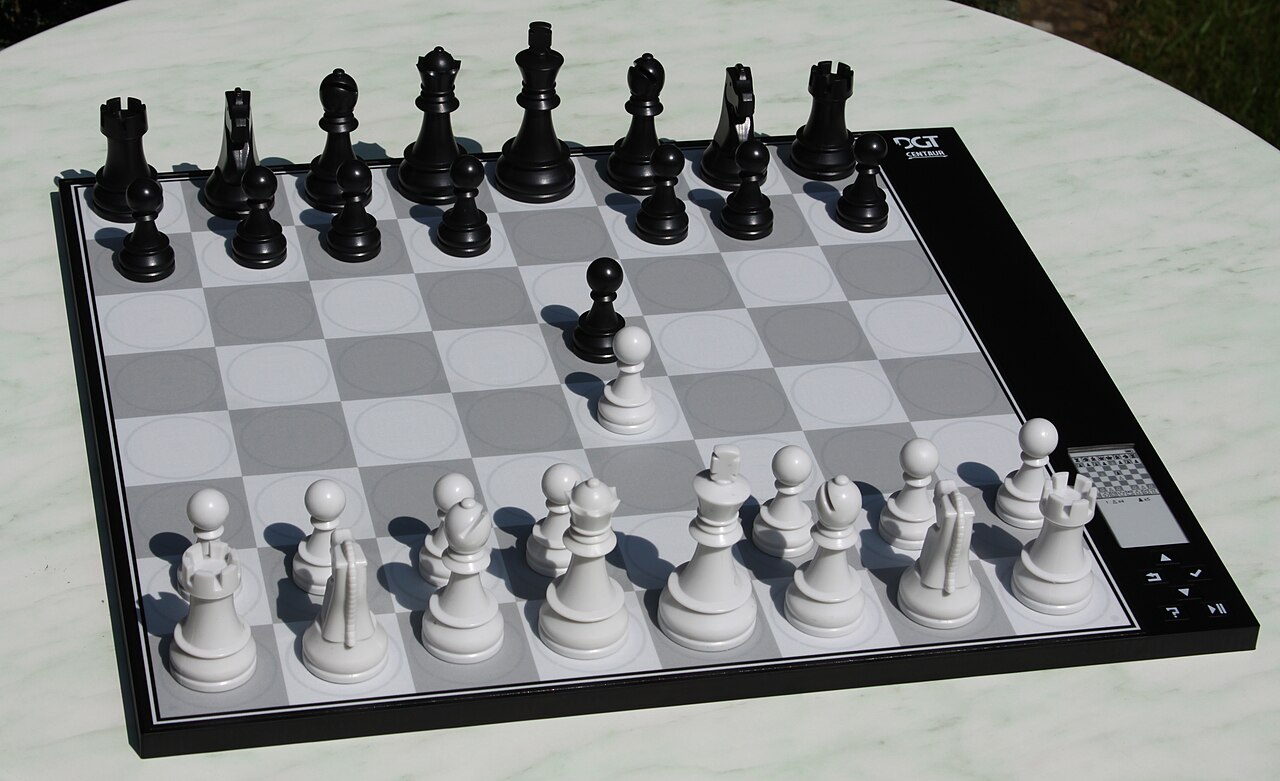
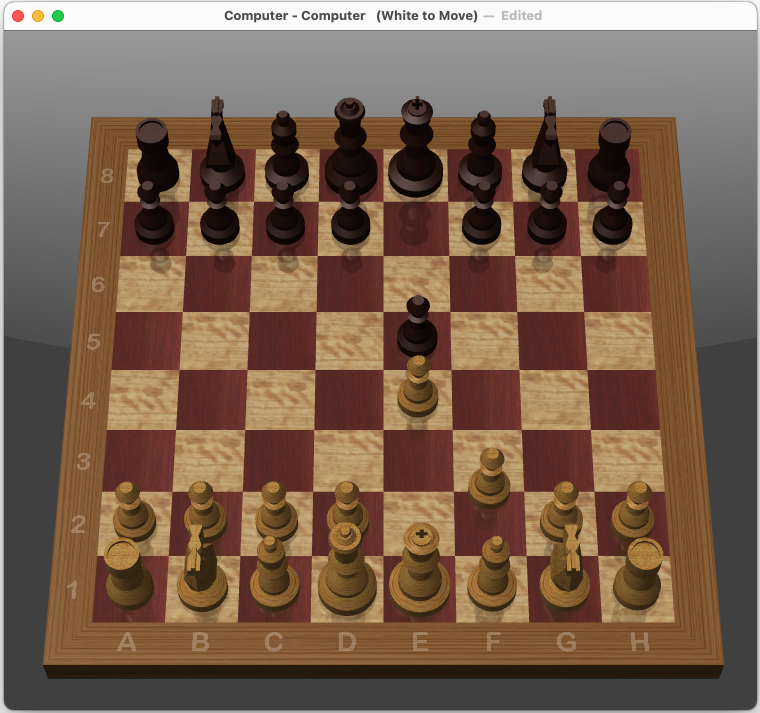
The interaction between chess and automated computing stretches back to the earliest ideas about programmable machines. Long before modern electronics, thinkers imagined mechanical devices that could perform logical tasks; a few proposed that such machines might play chess. That longstanding connection grew into a major field of research and application as digital computers and algorithms matured.
Image gallery
10 Images




Historical development
Early contributions to the conceptual idea of machine play are attributed to pioneers such as Charles Babbage, who explored programmable mechanisms in the 19th century, and to 20th‑century figures like Alan Turing, the mathematician and codebreaker associated with Bletchley Park. Scholarly work in the mid‑20th century formalized the problem; Claude Shannon's writings and other early papers set out how a digital computer could evaluate and search chess positions. Later milestones included commercially and publicly visible matches between human grandmasters and specialized machines, culminating in high‑profile contests that demonstrated computers' growing strength.
Types of chess software and components
Modern chess technology broadly divides into engines that play and analyze positions and tools designed to teach or manage information. Common technical components are:
- Search algorithms: methods that explore sequences of moves (depth‑first, alpha‑beta pruning, Monte Carlo techniques).
- Evaluation functions: heuristics or learned models that estimate the desirability of a position.
- Databases and books: large collections of recorded games and prepared opening lines.
- Endgame tablebases: exhaustive solutions for simplified positions.
- Hardware and parallelism: specialized processors and clusters that speed computation.
Technical approaches and recent advances
For decades engines relied mainly on deep search combined with hand‑crafted evaluation. In recent years hybrid approaches have emerged: powerful traditional engines continue to use optimized search, while machine‑learning systems train neural networks to evaluate positions and guide search. A notable development is the use of reinforcement learning with self‑play to discover novel strategies, which changed how researchers think about automated play and learning.
Uses, influence, and notable facts
Chess engines are now indispensable for analysis, preparation, and learning. Players use them to examine lines, find tactical resources, and study openings. Tournament organizers and online platforms deploy engines for rule enforcement, anti‑cheating checks, and engine‑assisted broadcasting. The rise of strong engines altered opening theory and training methods; many human players study engine analyses to refine their preparation.
Resources and further reading
For introductions and historic accounts see summaries of the field from general computing histories and biographies of early contributors. Online and printed sources track the evolution from mechanical concepts to modern neural approaches. Related entry points include early histories, biographies of Babbage and Turing, treatments of mathematical foundations, the wartime work at Bletchley Park, profiles of notable codebreakers, and broad introductions to computer science.
Understanding chess and computers offers both a concrete example of artificial intelligence in practice and a living laboratory where algorithms, hardware, and human expertise continue to interact and evolve.
Questions and answers
Q: When were chess and computers first connected?
A: Chess and computers have been connected since the earliest days of the computer.
Q: Who thought of the idea of connecting chess and computers in the 19th century?
A: Charles Babbage thought of the idea of connecting chess and computers in the 19th century.
Q: Who put some thought into the idea of connecting chess and computers in modern times?
A: Alan Turing, the mathematician and Bletchley Park codebreaker, put some thought into the idea of connecting chess and computers in modern times.
Q: Was Alan Turing a good chess player?
A: No, Alan Turing was not a very good chess player.
Q: What is computer science credited to Alan Turing?
A: Alan Turing is credited with the creation of Computer science.
Q: How many types of chess programs are there and what are they?
A: There are two types of chess programs. One plays against a human opponent; the other helps the user become a better player.
Q: Can the two types of chess programs be made to work together?
A: Yes, the two types of chess programs can be made to work together, though they have different functions and work in different ways.
Related articles
Author
AlegsaOnline.com Chess and Computers: history, technology, and impact Leandro Alegsa
URL: https://en.alegsaonline.com/art/19335
Sources
- news.bbc.co.uk : "Chess champion loses to computer"
- grappa.univ-lille3.fr : "All results of the WMCCC and WCCC on the official ICGA web site"
- en.chessbase.com : "Highly recommended – Deep Fritz 12 download"
- shredderchess.com : "Shredder Computer Chess Download"
- rybkachess.com : "Rybka - for the serious chess player. [ #Home ] [ Rybka 3 FAQ ]"
- en.chessbase.com : "Chess News - ChessBase"
- newinchess.com : "NicBase"
- chessgames.com : "Chessgames.com: Chess Games Database & Community"
- chessclub.com : "The Internet Chess Club"
- playchess.com : "Playchess"