
Cheongyang chili pepper
A spicy Korean cultivar of Capsicum annuum developed in 1983 by Dr. Il‑ung Yoo; notable for 10,000–23,000 Scoville heat units and common use in Korean cooking.
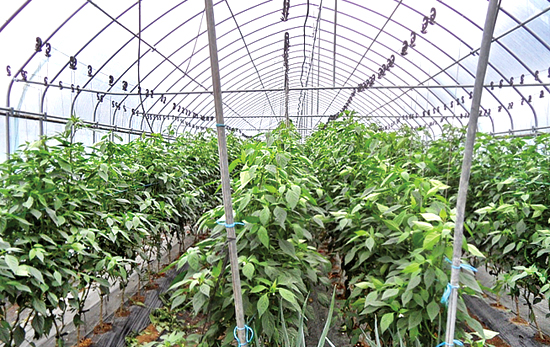
The Cheongyang chili pepper is a hot cultivar of Capsicum annuum cultivated primarily in Korea. It is prized for a sharp, lingering heat combined with a fruity pepper flavor, and appears in markets and household kitchens across the country. Fruits are typically harvested when green or allowed to ripen to red, and they are used fresh, dried, or preserved.
Image gallery
2 Images
Characteristics
Cheongyang peppers are medium-sized, elongated pods with thin walls and a pointed tip. Their heat level is notable for the cultivar: many samples measure roughly 10,000–23,000 Scoville heat units, placing them well above common mild peppers but below the very hottest varieties. The cultivar was created as an improved strain combining traits from other peppers, so it tends to produce reliably high capsaicin content and consistent fruiting.
- Species and type: Capsicum annuum.
- Parentage: developed from crosses involving Thai peppers and local Jeju varieties; these relationships link it to both Thai and Jeju chili traditions.
- Heat: commonly around 10,000–23,000 SHU, hotter than a typical jalapeño but milder than cayenne or bird's eye chilies.
History and development
The modern Cheongyang pepper emerged through deliberate breeding in the late 20th century. It was developed in 1983 by Dr. Il‑ung Yoo as a genetically improved strain aimed at combining heat, flavor, and suitable agronomic traits for Korean conditions. Its name reflects regional roots: it blends the names of two counties, Cheongsong and Yeongyang, acknowledging the areas involved in its development and early cultivation.
Uses and culinary importance
In Korean cuisine the Cheongyang pepper is valued for bringing pronounced spiciness without overwhelming other flavors. It appears in kimchi, stews, marinades, spicy sauces, and as a raw garnish. Because it offers a balance of heat and flavor, cooks often prefer it when they want a clean, peppery bite rather than the sharper, fruitier burn of some other varieties.
- Common applications: kimchi, gochujang-style sauces, soups, pickles, and fresh slicing for banchan.
- Handling tips: wear gloves when cutting large quantities to avoid skin or eye irritation; remove seeds and membranes to reduce heat.
- Substitutes: use other medium-hot peppers if unavailable, but expect flavor and heat differences.
Beyond the kitchen, Cheongyang peppers are part of regional agriculture and seed-breeding programs focused on yield and disease resistance. They are sold fresh at markets, offered as dried flakes, and sometimes preserved in oil or brine. For those comparing heat, the Cheongyang sits comfortably between common household hot peppers and the very hot tropical types, making it a versatile option for home cooks and professional chefs alike. For additional botanical or cultivation details, see resources linked above.
Questions and answers
Q: What is the Cheongyang chili pepper?
A: The Cheongyang chili pepper is one of the hottest chili pepper species grown in Korea.
Q: How was the Cheongyang chili pepper developed?
A: The Cheongyang chili pepper was developed by Dr. Il-ung Yoo in 1983 by genetically improving Thai and Jeju-do chili peppers.
Q: What is the heat intensity of the Cheongyang chili pepper?
A: The Cheongyang chili peppers have an average of 10,000~23,000 Scoville heat units.
Q: When was the Cheongyang chili pepper developed?
A: The Cheongyang chili pepper was developed in 1983.
Q: What is the origin of the name Cheongyang?
A: The name Cheongyang comes from the name of two counties, Cheongsong and Yeongyang.
Q: How does the Cheongyang chili pepper compare to other chili pepper species?
A: The Cheongyang chili pepper is known to be one of the hottest chili pepper species, with an average Scoville heat unit range of 10,000~23,000.
Q: Where is the Cheongyang chili pepper grown?
A: The Cheongyang chili pepper is grown in Korea.
Related articles
Author
AlegsaOnline.com Cheongyang chili pepper Leandro Alegsa
URL: https://en.alegsaonline.com/art/19247
Sources
- terms.naver.com : terms.naver.com
- kitchengardenhelp.com : kitchengardenhelp.com
- navercast.naver.com : navercast.naver.com/contents.nhn?rid=43&contents_id=900
- 5959.cheongyang.go.kr : 5959.cheongyang.go.kr